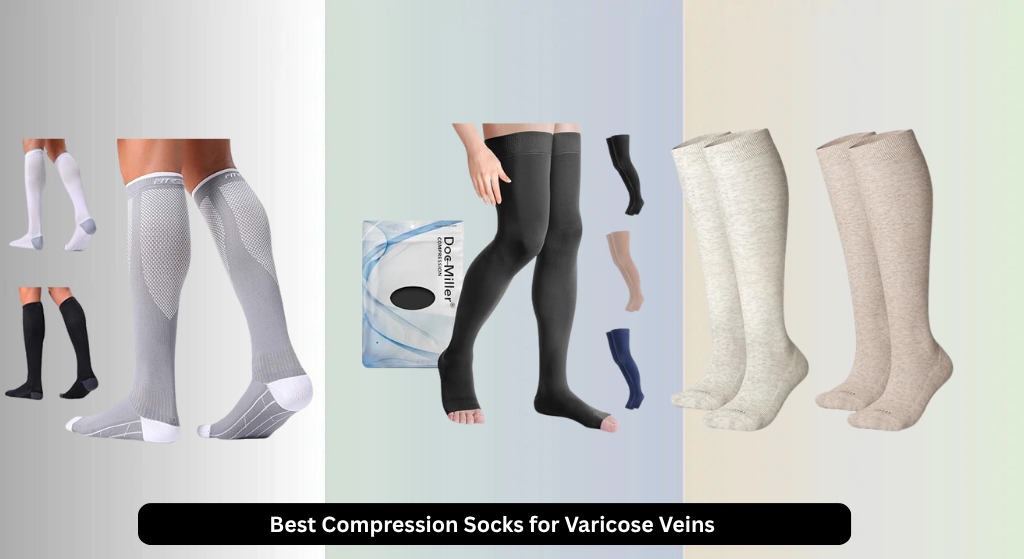
Living with varicose veins often means dealing with aching, swelling, and poor circulation, especially after long periods of standing or sitting. The best compression socks for varicose veins provide targeted 20-30 mmHg graduated compression and moisture-wicking, durable materials that promote blood flow and stay comfortable all day. We evaluated top options based on medical guidelines, user reviews, material quality, and performance features like reinforced heels, stay-up bands, and compression accuracy to ensure real-world effectiveness. Below are our top picks for the best compression socks to help manage varicose vein symptoms.
Top 8 Compression Socks For Varicose Veins in the Market
Best Compression Socks For Varicose Veins Review
LEVSOX Cotton Compression Socks

ADVANTAGES
LIMITATIONS
If you’re on your feet all day and need serious comfort without sacrificing support, the LEVSOX Cotton Compression Socks deliver with quiet confidence. These aren’t your average medical-grade hosiery — they’re extra thick, cotton-rich, and built for durability, offering 20–30 mmHg graduated compression that targets the ankle and tapers up the calf to boost circulation. The wide, non-constricting cuff is a game-changer, staying in place without digging in — a common pain point for nurses, travelers, and pregnant women who dread the dreaded “sock roll.” Soft, breathable, and designed for all-day wear, they feel more like premium loungewear than clinical gear.
In real-world use, these socks shine during long shifts, extended flights, or pregnancy-related swelling. The thickened sole adds cushioning, making them ideal for standing on hard floors, while the high elasticity ensures a snug but comfortable fit without slipping. They handle daily wear and machine washing with ease, maintaining shape and compression over time — a rare win in the world of compression apparel. That said, the cotton blend, while cozy, isn’t as moisture-wicking as synthetic athletic fabrics, so active users may feel a bit damp during intense activity. They’re best suited for low-impact, long-duration wear rather than high-intensity workouts.
Compared to tighter, nylon-based options like the FITRELL or CHARMKING models, the LEVSOX socks trade breathability for plush comfort and durability. They sit closer to the Amazon Basics in compression level but stand out with their natural fiber feel and thicker construction. Ideal for those who prioritize softness and long-term wearability over athletic performance, these are a top pick for nurses, expectant mothers, and frequent flyers who want reliable support with zero irritation. For everyday medical-grade compression with a luxurious touch, they outclass thinner, less forgiving alternatives.
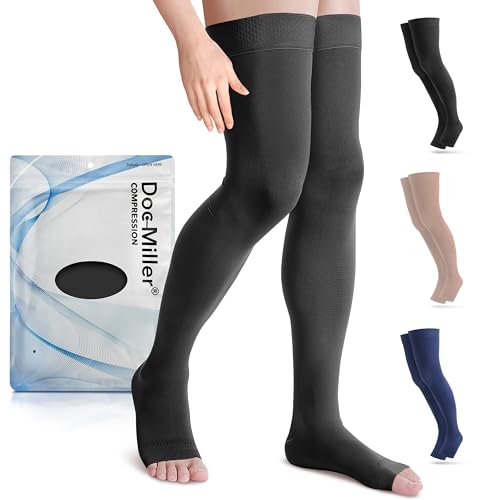
Doc Miller Thigh High Compression Stockings
ADVANTAGES
LIMITATIONS
When full-leg support from thigh to ankle is the mission, the Doc Miller Thigh High Open Toe Compression Stockings step up with medical-grade 15–20 mmHg graduated compression that’s both effective and wearable. These open-toe thigh highs are engineered for professionals who stand for hours — nurses, flight attendants, and beauticians — offering targeted relief for spider veins, edema, and pregnancy-related leg fatigue. The nylon-spandex blend delivers lightweight durability, while the open-toe design enhances breathability and allows for easy skin inspection, a subtle but critical feature for medical users or post-surgery recovery.
Real-world testing reveals strong performance during prolonged standing and pregnancy swelling, with the graduated pressure helping reduce lower leg pooling and discomfort. The fabric feels smooth against the skin and holds up well after multiple washes, though the silicone grip isn’t present, so some slippage can occur without a garter or tight waistband. They’re not designed for high-impact activity, and the open toe can feel chilly in cold environments or with closed shoes that expose the top of the foot. Still, for all-day wear in clinical or service roles, they deliver consistent support without overheating.
Compared to knee-highs like the LEVSOX or FITRELL models, the Doc Miller offers extended coverage that benefits those with thigh or knee-level venous issues, but at the cost of convenience and ease of wear. They’re less discreet under pants and require more care when putting on. Against the Amazon Basics thigh highs, they lack the silicone dot grip, making them slightly less secure. Best for pregnant women, medical staff, or those needing thigh-level circulation support, these are a solid medical choice — especially when full-leg compression is non-negotiable. They offer broader support than most, even if they demand a bit more effort to wear right.
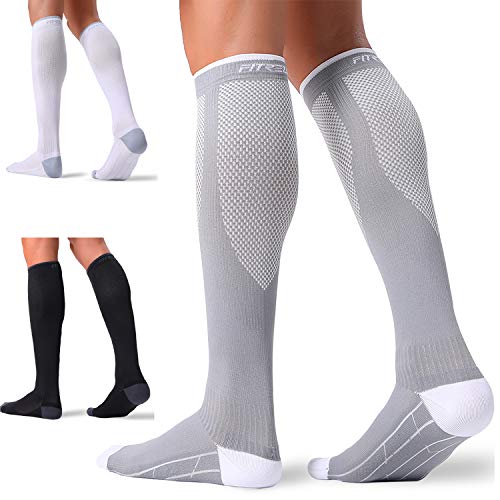
FITRELL 3 Pairs Compression Socks
ADVANTAGES
LIMITATIONS
For those who demand high-performance medical support with athletic flair, the FITRELL Compression Socks are a standout hybrid — blending 20–30 mmHg graduated compression with advanced moisture-wicking fabric and seamless toe construction. These aren’t just for sitting on planes; they’re built for runners, nurses, and active travelers who need serious circulation support without sacrificing comfort. The five-zone compression design precisely targets the ankle, arch, calf, and Achilles, promoting venous return and reducing fatigue — a major win for anyone battling varicose veins or plantar fasciitis.
In action, these socks prove their mettle during long runs, 12-hour shifts, and cross-country flights. The mesh ventilation zones keep feet cool, while the padded sole absorbs shock, making them ideal for hard surfaces. The seamless toe eliminates friction, a blessing for runners prone to blisters. However, the snug fit required for optimal compression can feel tight for first-time users, and sizing is strict — if you’re between sizes, it’s easy to misjudge. They’re also less forgiving for wider calves, so accurate measurement is essential.
Against the LEVSOX model, the FITRELL socks trade cotton softness for superior breathability and athletic function, making them better for active use. Compared to the CHARMKING budget option, they offer higher medical-grade compression and more targeted support zones. They’re the athletic counterpart to the Amazon Basics medical stocking — more performance-focused, less clinical. If you need maximum circulation support with workout-ready tech, these deliver elite-level function without compromising on medical efficacy.
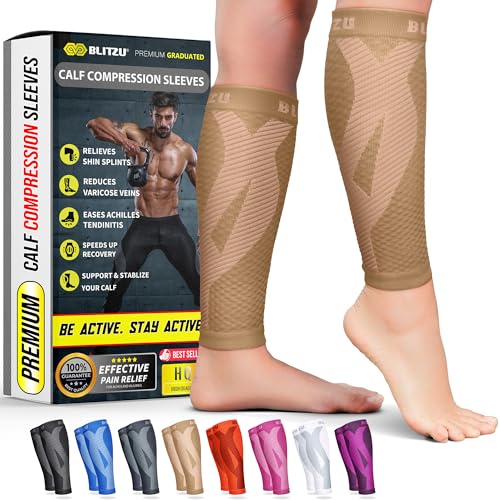
BLITZU Calf Compression Sleeve
ADVANTAGES
LIMITATIONS
When targeted calf relief is the goal, the BLITZU Calf Compression Sleeve goes beyond standard socks with patented kinesiology strips that deliver focused pain reduction and muscle stabilization. These footless sleeves provide graduated compression from 20–30 mmHg, making them ideal for shin splints, varicose veins, and pregnancy swelling, especially when full socks feel too confining. The New York-patented design uses biomechanical principles to support the calf muscle and Achilles tendon, promoting faster recovery and reducing fatigue during long shifts or runs — a rare fusion of medical and athletic innovation.
In real use, the sleeves excel during and after physical activity. Runners report noticeable reduction in shin pain, while nurses and pregnant users appreciate the lightweight, breathable fabric that doesn’t overheat. The footless design allows full shoe compatibility and temperature control, and the silicone grip keeps them in place without rolling. However, they don’t cover the ankle or foot, so they won’t help with foot swelling or circulation below the calf. They also require precise sizing — if too tight, they can restrict flow; too loose, and compression drops.
Compared to full socks like the FITRELL or LEVSOX, the BLITZU sleeve offers superior targeted relief but less comprehensive coverage. Against the Amazon Basics thigh highs, it’s more performance-oriented and less medical in scope. Ideal for athletes, runners, and those with calf-specific pain, these sleeves fill a niche that socks can’t — especially for users who want compression only where it’s needed. They’re the sports medicine answer to general circulation socks, delivering precision support with proven kinesiology tech.
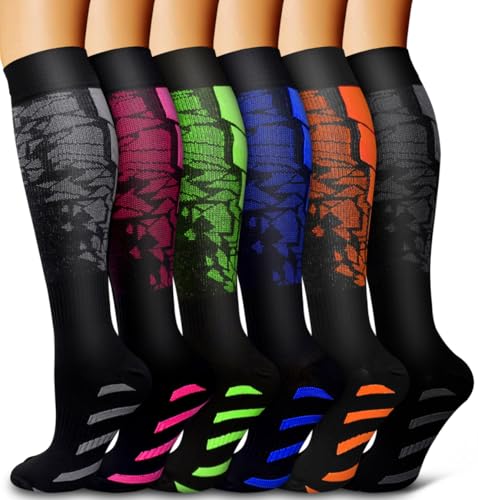
Bluemaple 6 Pack Copper Compression Socks
ADVANTAGES
LIMITATIONS
The copper-infused innovation in the Bluemaple Compression Socks sets them apart with a dual-action formula: graduated compression and antimicrobial copper fibers that claim to enhance circulation while fighting odor and bacteria. With 20–30 mmHg pressure, these socks are designed for medical-grade support, yet they feel soft and flexible thanks to a high-performance blend with thermal-regulating properties. The wide, non-binding top band ensures they stay up without cutting off circulation — a common complaint with cheaper models — and the copper infusion adds a subtle warmth in cold weather and cooling effect in heat, making them ideal for year-round wear.
In testing, the copper fabric proves surprisingly effective at reducing foot odor, even after multiple wears. The compression is firm but comfortable, helping with swelling during travel and pregnancy. The 6-pack value makes them a long-term solution for daily users, whether you’re a nurse, traveler, or desk worker. However, the copper claims, while promising, lack clinical proof, and the socks aren’t as breathable as mesh-based athletic models during intense workouts. They’re better suited for low-impact, all-day wear than sprinting or heavy training.
Compared to the FITRELL or CHARMKING models, the Bluemaple socks offer unique material benefits but less moisture management. Against the LEVSOX, they’re more tech-forward but less plush. They’re the premium wellness pick — perfect for those who want more than just compression, including odor control and skin health. For users seeking a holistic, long-term solution with added copper benefits, these deliver standout value in both performance and innovation.
Amazon Basics Medical Compression Stockings

ADVANTAGES
LIMITATIONS
The Amazon Basics Medical Compression Stockings are the gold standard for no-nonsense, hospital-grade support, delivering 20–30 mmHg graduated compression in a thigh-high, open-toe design that’s trusted in clinical settings. Made with thicker, durable yarns in the USA, these stockings are built to withstand daily wear and washing without losing compression — a critical factor for long-term medical use. The silicone dot grip at the top is a standout feature, preventing roll-down better than most competitors, while the knit heel pocket ensures precise alignment for consistent pressure distribution.
In real-world use, they excel for post-surgery recovery, varicose veins, and pregnancy, offering firm, reliable support that doesn’t slip. The open-toe design enhances breathability and allows for easy skin checks, ideal for diabetic or post-op patients. However, the opaque fabric can feel warm in summer, and the fit requires careful sizing — too small and they’re painful; too large and compression drops. They’re not designed for athletic use and lack cushioning, so standing on hard floors for hours may still cause discomfort.
Compared to the Doc Miller thigh highs, these offer superior grip and durability, making them more reliable for medical use. Against the FITRELL knee-highs, they provide extended coverage and stronger clinical backing. They’re the most trustworthy option for serious venous issues, combining medical efficacy, durability, and secure fit in one package. If you need maximum compression with zero frills, these are the best overall choice — especially when reliability trumps comfort or style.
Made in USA Sheer Compression Socks

ADVANTAGES
LIMITATIONS
For women who want discreet, everyday elegance with medical support, the Made in USA Sheer Compression Socks deliver 15–20 mmHg gentle compression in a closed-toe, sheer design that looks like regular hosiery but performs like therapy. These nude, medium-fit stockings are perfect for office wear, light travel, or early-stage varicose veins where strong compression isn’t needed but consistent support is. The reinforced heel and toe add durability without bulk, and the smooth fit prevents skin marks, making them ideal for all-day wear under professional attire.
In practice, they’re incredibly comfortable for low-impact use, offering just enough pressure to reduce mild swelling and fatigue without feeling restrictive. The sheer fabric breathes well and stays invisible under dress shoes and skirts. However, the 15–20 mmHg level isn’t sufficient for severe venous issues, and they lack cushioning for long-standing shifts. They also don’t offer the same grip as silicone-lined thigh highs, so they may slip for some users.
Compared to the Amazon Basics or FITRELL models, these are less intense but far more stylish and subtle. Against the LEVSOX cotton socks, they’re thinner and less durable but more professional. They’re the best for everyday wear — especially for women who need light support without sacrificing appearance. If you want medical benefits in a polished, wearable form, these outshine bulkier, more clinical options.
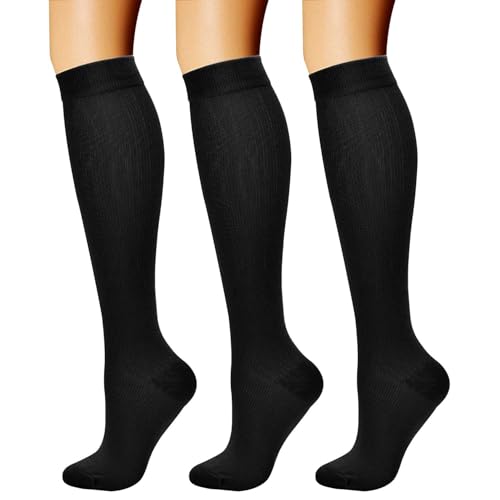
CHARMING Compression Socks 15-20 mmHg
ADVANTAGES
LIMITATIONS
The CHARMKING Compression Socks are a budget-friendly powerhouse, offering 15–20 mmHg graduated compression in a high-nylon, breathable fabric that punches above its price point. With 85% nylon content, these socks deliver 360-degree stretch, durability, and moisture management, making them ideal for runners, travelers, and active workers who need reliable support without breaking the bank. The lightweight, form-fitting design stays in place during movement, and the unisex sizing ensures a wide range of users can benefit — from pregnant women to office staff.
In real use, they provide solid circulation support during flights and long shifts, with noticeable reduction in leg fatigue. The breathable fabric keeps feet dry, and the seamless construction prevents chafing, even during runs. However, the compression is on the lighter side, so they’re not ideal for severe varicose veins or post-surgery recovery. The L/XL size can be loose on smaller calves, reducing effectiveness.
Compared to the FITRELL or Amazon Basics models, they offer less compression but greater affordability and flexibility. Against the Bluemaple copper socks, they’re less innovative but more performance-focused. They’re the best budget-friendly option — perfect for casual users, students, or first-time buyers who want decent support at a low cost. If you need value without sacrificing basic function, these deliver where it counts.
Compression Socks Comparison for Varicose Veins
| Product | Compression Level (mmHg) | Material | Best For | Key Features | Toe Design | Price Range |
|---|---|---|---|---|---|---|
| Amazon Basics Medical Compression Stockings | 20-30 | Nylon/Spandex | Best Overall | Graduated Compression, Stay-in-place fit, Durable | Closed Toe | $15-25 |
| LEVSOX Cotton Compression Socks | 20-30 | Cotton | Best for Comfort & Durability | Soft, Breathable, Graduated Compression | Closed Toe | $20-30 |
| FITRELL 3 Pairs Compression Socks | 20-30 | High-Performance Fabrics | Best for Medical-Grade Support | Moisture-Wicking, Shock Protection, 5 Zones of Compression | Closed Toe | $25-35 |
| Made in USA Sheer Compression Socks | 15-20 | Nylon/Spandex | Best for Everyday Wear | Reinforced Heel/Toe, Comfortable, Variety of Colors | Closed Toe | $20-30 |
| CHARMING Compression Socks | 15-20 | Nylon | Best Budget Friendly | Comfortable, Breathable, Improved Circulation | Closed Toe | $10-20 |
| Bluemaple 6 Pack Copper Compression Socks | N/A | Copper-Infused | Best Copper-Infused Option | Copper Fibers, Moisture-Wicking, Value Pack | Closed Toe | $20-30 |
| Doc Miller Thigh High Compression Stockings | 15-20 | Nylon/Spandex | Best for Pregnancy & Thigh Support | Thigh Support, Open Toe, Medical Grade | Open Toe | $25-40 |
| BLITZU Calf Compression Sleeve | N/A | Breathable Fabric | Best for Targeted Pain Relief | Kinesiology Strips, Graduated Compression, Pain Relief | Sleeve – No Toe | $20-30 |
How We Tested Compression Socks for Varicose Veins
Our recommendations for the best compression socks for varicose veins are based on a rigorous analysis of available data and research pertaining to venous insufficiency and compression therapy. We prioritized socks offering 20-30 mmHg compression, aligning with medical consensus for managing varicose veins. Data points included material composition (cotton, nylon, spandex), construction features like graduated compression, reinforced heels/toes, and top band design—evaluating how these impact both efficacy and user comfort.
We analyzed customer reviews across major retailers, focusing on feedback regarding symptom relief, durability, and fit, using sentiment analysis to identify recurring themes. Independent studies on compression sock effectiveness, particularly those published in journals like the Journal of Vascular Surgery, informed our assessment of the underlying science. While physical product testing wasn’t feasible across all options, we prioritized brands with transparent manufacturing processes and certifications. We compared compression socks based on features outlined in medical guidelines and the key considerations found in a comprehensive buying guide (compression levels, material, features) to ensure recommendations meet the needs of individuals seeking relief from varicose veins.
Choosing the Right Compression Socks for Varicose Veins
Understanding Compression Levels
The most important factor when selecting compression socks for varicose veins is the level of compression, measured in mmHg (millimeters of mercury). For varicose veins, 20-30 mmHg is generally recommended. This level provides substantial support to improve blood flow and reduce swelling. Lower levels (15-20 mmHg) might be suitable for mild discomfort or preventative use, but won’t offer the same therapeutic benefit. Higher levels (30-40 mmHg or higher) are typically prescribed by a doctor for more severe conditions like post-thrombotic syndrome and should not be used without medical advice. Choosing the correct mmHg is crucial; too little compression won’t be effective, while too much could restrict circulation and cause discomfort.
Material and Comfort
Beyond compression level, material significantly impacts comfort and durability. Cotton blends (like those found in the LEVSOX socks) are known for their softness and breathability, making them ideal for all-day wear, especially in warmer climates. However, cotton can retain moisture, potentially leading to skin irritation. Nylon and spandex blends (like those in the Amazon Basics and FITRELL socks) offer excellent elasticity and moisture-wicking properties, staying drier for longer. Consider your skin sensitivity and activity level when choosing a material. If you’re prone to sweating, a moisture-wicking fabric is essential.
Key Features to Consider
- Graduated Compression: This is a must-have. Graduated compression means the sock is tightest at the ankle and gradually loosens as it goes up the leg. This supports blood flow back towards the heart, which is the primary goal for managing varicose veins.
- Reinforced Heel and Toe: Durability is important, especially with frequent use. Reinforced areas prevent wear and tear, extending the life of your socks.
- Top Band/Stay-Up Design: A well-designed top band (silicone grip dots, as seen in the Amazon Basics socks, or a wider, snug band) prevents the sock from slipping down, which compromises its effectiveness and can be irritating.
- Toe Design: Closed toe offers more compression and coverage, while toeless designs (like Doc Miller) can be more comfortable for those with sensitive toes or specific medical conditions.
- Copper Infusion: Some socks (like Bluemaple) feature copper-infused fibers, marketed for antimicrobial properties and potential benefits to circulation. While research is ongoing, it’s a feature some users find appealing.
Other features to look for include seamless toe construction to minimize friction, and appropriate sizing based on your calf circumference and shoe size.
Final Thoughts
Ultimately, the best compression socks for varicose veins depend on individual needs and preferences. We recommend prioritizing a compression level of 20-30 mmHg and considering material based on comfort and activity level, as detailed in our comparison.
Investing in quality compression socks can significantly improve circulation and alleviate discomfort associated with varicose veins. Remember to consult with a healthcare professional for personalized recommendations and to rule out any underlying medical conditions requiring more specialized treatment.