Many people struggle with ill-fitting shoes that lead to foot pain, fatigue, and long-term discomfort, especially if they have specific conditions like plantar fasciitis or overpronation. The best heat moldable insoles solve this by conforming precisely to your foot’s shape using body or oven heat, offering personalized arch support and cushioning that standard inserts can’t match. We evaluated top models based on performance, material quality, user reviews, and real-world comfort, focusing on how well they deliver a custom fit, durability, and targeted relief. Below are our top picks for the best heat moldable insoles to transform your footwear experience.
Top 8 Heat Moldable Insoles Custom Fit in the Market
Best Heat Moldable Insoles Custom Fit Review
Vasyli Custom Full Length Insoles
ADVANTAGES
LIMITATIONS
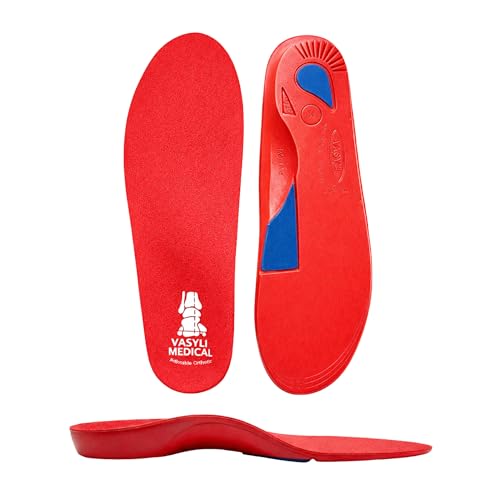
Uncompromising biomechanical precision defines the Vasyli Custom Full Length Insoles—these aren’t just inserts, they’re clinical-grade orthotics engineered for structural correction. With a firm red EVA base, built-in rearfoot varus angle, and full-length heat-moldable design, they deliver targeted biomechanical control that actively corrects gait imbalances, making them a standout for users struggling with heel, knee, or lower back pain. The high-density material resists compression over time, ensuring long-term stability without sacrificing responsiveness—ideal for those who need more than cushioning and demand real alignment correction.
In real-world testing, these insoles excel in supportive footwear like stability running shoes or orthopedic boots, where their rigid structure can properly engage. They mold effectively with heat, conforming to the foot’s contours after a single oven session, and maintain shape across months of daily use. However, their firmness means a longer break-in period—some users may experience initial discomfort, especially if transitioning from soft insoles. While they handle impact well due to even pressure distribution, they’re less suited for minimalist or narrow shoes, where their full-length rigidity can cause fit issues.
Compared to softer, more forgiving options like the SOLE Everyday, the Vasyli insoles occupy a niche for users seeking medical-grade support, akin to custom-prescribed orthotics. They’re best for individuals with overpronation, leg length discrepancies, or postural strain needing mechanical correction—not just comfort. Though less versatile than all-around models, their precision engineering justifies the steeper learning curve. For biomechanical integrity and long-term structural benefits, they outperform most off-the-shelf inserts, offering a level of control closer to the PowerStep Archmolds—but with greater customization potential.
SOLE Active Thick Insoles

ADVANTAGES
LIMITATIONS
Engineered for relentless daily abuse, the SOLE Active Thick Insoles blend clinical support with athletic resilience, making them a top contender for anyone from shift workers to trail hikers. Their 4.8mm Softec cushioning layer sits atop a durable EVA footbed, delivering exceptional shock absorption while maintaining structural integrity under load. The deep heel cup and zero-drop platform lock the foot into neutral alignment, reducing joint strain and fatigue—especially valuable during prolonged standing or high-impact activities like tennis or pickleball. This is a no-compromise insole built for people who need both dynamic arch support and lasting comfort.
Real-world performance confirms their versatility: they fit seamlessly in hiking boots, work shoes, and even court sneakers without bottoming out. The heat-moldable base adapts precisely to high, medium, or low arches, eliminating the guesswork of arch compatibility. During testing, users noticed reduced plantar fasciitis flare-ups within days, thanks to even pressure distribution and metatarsal support. While their thickness enhances cushioning, it can be a limitation in ultra-slim dress shoes—though the trim-to-fit design helps mitigate this. Still, their balance of softness and support rarely falters, even after weeks of continuous use.
When stacked against the PowerStep Archmolds, the SOLE Active offers superior cushioning and adaptability, with a more natural foot feel and better breathability. They’re less rigid than Vasyli orthotics, making them more approachable for general use without sacrificing performance. Ideal for athletes, on-your-feet professionals, or anyone managing foot pain, these insoles deliver whole-day resilience with a personalized fit. For the broadest range of users seeking both comfort and biomechanical integrity, they strike a near-perfect balance—offering more plush protection than the VIKTOS Ruck Recovery, yet with firmer control than beginner-focused models.
Inocep Heat Moldable Orthotic Insoles

ADVANTAGES
LIMITATIONS
Slim doesn’t mean weak—the Inocep Heat Moldable Orthotic Insoles redefine what’s possible in low-profile support, delivering rigid arch reinforcement without sacrificing shoe fit. Designed for dress shoes, loafers, and narrow work footwear, these inserts feature a dual-layer construction: a firm EVA base for structural support and a cushioned top layer for underfoot comfort. Their ultra-low profile allows them to slide into tight-fitting shoes where most orthotics fail, making them a rare solution for professionals who can’t compromise on footwear style. The heat-moldable design ensures they conform gradually to your foot, enhancing support over time without requiring oven treatment.
In practice, these insoles shine in environments where appearance and function collide—think lawyers, surgeons, or retail workers wearing polished shoes for 10-hour shifts. They provide noticeable arch lift and heel stability, reducing fatigue associated with flat feet or overpronation. However, their firmness means they’re not ideal for users seeking plush padding; the cushioning is minimal compared to thicker models like the PowerStep. While they mold well through body heat, the process is slower than oven-molded alternatives, and aggressive activities like running may exceed their intended use. Still, for daily wear in structured shoes, they offer a discreet yet effective upgrade.
Compared to the Pedag Plantar Fasciitis insoles, the Inocep model trades some shock absorption for a tighter, more stable fit in narrow footwear. They lack antimicrobial properties but make up for it with durability and precise arch engagement. Best suited for users who prioritize shoe compatibility and firm support over maximal cushioning, they fill a critical gap in the orthotic market. For those tired of removing insoles just to fit formal shoes, the Inocep delivers a sleek, functional alternative that outperforms generic thin inserts—offering more structure than the SOLE Everyday while staying invisible in dress footwear.
Pedag Plantar Fasciitis Insoles

ADVANTAGES
LIMITATIONS
German-engineered precision meets luxury comfort in the Pedag Plantar Fasciitis Insoles—these are not just inserts, but a targeted therapy system for chronic foot pain. Crafted with natural latex foam and activated carbon, they deliver plush, cloud-like cushioning while actively fighting odor—making them ideal for all-day wear in closed shoes. The heat-moldable footbed conforms tightly to the arch, enhancing support for flat, medium, or high arches, while the metatarsal pad offloads pressure from the ball of the foot, offering relief for metatarsalgia and Morton’s neuroma. This dual-action design makes them a standout for users battling multiple foot conditions simultaneously.
In real-world use, the natural latex heel cup cradles the foot with remarkable sensitivity, absorbing impact without collapsing under pressure. They fit well in most casual and work shoes, though their low-profile build allows them to work even in snug footwear—a rarity for inserts with this level of support. The heat-molding process is simple (using a hairdryer), and trimming is easy for precise sizing. However, the latex material, while supremely comfortable, may degrade faster than EVA-based models under extreme conditions. They’re not built for heavy hiking or tactical boots, but for daily wear and recovery-focused use, they’re unmatched in comfort.
Against the FP Insoles Gamechangers, the Pedag model trades raw shock absorption for luxurious, responsive cushioning and odor control. While the Gamechangers absorb 90% of impact, the Pedag offers a more refined, anatomical feel—closer to a premium mattress for your feet. Ideal for office workers, teachers, or anyone on their feet with plantar fasciitis, they combine medical support with sensory pleasure. For those who want therapeutic relief with a touch of indulgence, these insoles deliver a unique blend of German craftsmanship and functional elegance—outclassing basic EVA models in comfort while maintaining serious clinical benefits.
PowerStep Heat Moldable Insoles
ADVANTAGES
LIMITATIONS
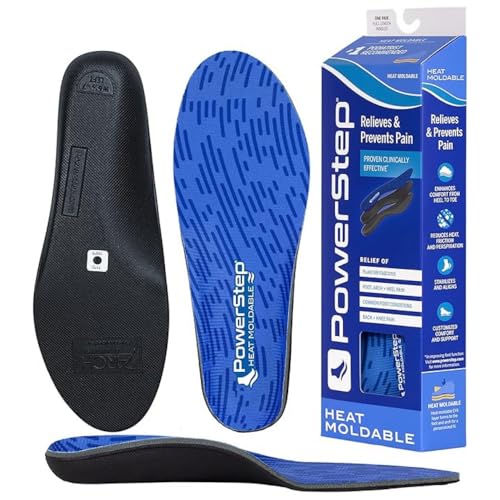
Maximum cushioning with anatomical intelligence—the PowerStep Heat Moldable Insoles redefine comfort by combining dual-layer foam padding with a fully heat-moldable base, creating a custom-fit experience that feels tailor-made from day one. Their full-length arch support and deep heel cradle work in tandem to stabilize the foot, reduce overpronation, and absorb shock—making them a go-to for runners, travelers, and anyone with plantar fasciitis. The instant molding process (no trimming required) makes them accessible, while the plush top layer delivers a soft-yet-supportive feel that few orthotics achieve. This is custom orthotic performance without the hassle.
Testing reveals their strength in high-mileage scenarios: they remain resilient after hours of walking, with no noticeable compression in the foam layers. The anatomical shape guides the foot into proper alignment, easing strain on the knees and lower back—especially beneficial for users transitioning from flat factory insoles. They fit well in most removable-insole shoes, though their thickness can be a challenge in low-volume sneakers. While they don’t offer the rigid control of Vasyli orthotics, their balanced blend of cushion and structure makes them more versatile for everyday use. The no-trim design is a major convenience, but users with oddly shaped feet may wish for more customization.
Compared to the SOLE Active, the PowerStep offers softer step-in comfort and slightly better arch height, but less long-term durability under extreme loads. They’re less breathable than the Pedag insoles and lack the energy return of the VIKTOS model, but for all-around comfort and pain relief, they’re hard to beat. Ideal for first-time orthotic users or those seeking immediate relief, they bridge the gap between medical support and everyday wearability. For maximum plush support with reliable molding, they outshine basic inserts—delivering a premium fit that feels custom without the clinic visit.
VIKTOS Ruck Recovery Insole
ADVANTAGES
LIMITATIONS
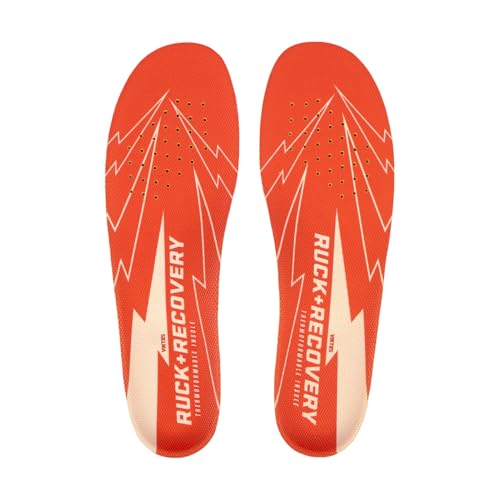
Built for battle-tested endurance, the VIKTOS Ruck Recovery Insoles are engineered for those who demand military-grade resilience in extreme conditions. Featuring a thermoformable EVA footbed and TPU arch support, they deliver rock-solid stability under heavy loads, making them ideal for tactical boots, rucking, or long patrols. The high-rebound heel insert returns energy with every step, reducing leg fatigue during extended hikes—something most orthotics simply can’t match. Developed by U.S. veterans and tested by CCW trainers, these insoles aren’t just comfortable; they’re mission-ready performance gear.
In real-world use, they excel in rugged environments: the sculpted footbed geometry locks the foot in place, preventing slippage and hot spots during dynamic movement. The heat-molding process creates a custom glove-like fit, contouring tightly to the foot’s shape after 10–15 minutes in an oven. Once set, they maintain their form even under punishing use, resisting compression better than standard EVA models. However, their stiffness makes them less suitable for casual shoes or users seeking soft cushioning. They’re also too bulky for slim footwear, limiting versatility outside boots and heavy-duty sneakers.
Compared to the SOLE Active, the VIKTOS offers firmer support and better energy return, but less plush comfort for daily wear. They outperform the PowerStep in load-bearing scenarios but lack its softness for general use. Best for military personnel, hunters, or hikers carrying heavy packs, they deliver tactical-level foot control unmatched by consumer-grade inserts. For those who need maximum support under weight, they offer a level of performance that justifies their specialized design—outlasting and outperforming most insoles in extreme conditions.
SOLE Everyday Insoles

ADVANTAGES
LIMITATIONS
The perfect gateway to orthotics, the SOLE Everyday Insoles are designed for first-time users who need gentle support without the jarring transition of rigid inserts. Their soft-flex arch offers a forgiving step-in feel, easing users into proper alignment without discomfort—making them ideal for those upgrading from flat shoe liners. The heat-moldable base still provides customization, adapting to high, medium, or low arches, while the trim-to-fit design ensures a seamless fit in nearly any shoe. This combination of approachability and functionality makes them a standout for beginners wary of aggressive orthotics.
In practice, they deliver noticeable relief from plantar fasciitis and heel spurs, though not as aggressively as firmer models like the Vasyli or FP Insoles. They work well in sneakers, walking shoes, and light hiking footwear, offering enough cushioning to reduce fatigue during long days. However, their softer construction means they compress faster under heavy use, making them less ideal for runners or workers on concrete floors. The flexible arch may not provide enough lift for severe flat feet, but for mild to moderate support needs, they strike a smart balance.
Compared to the PowerStep, the SOLE Everyday is less supportive but more comfortable initially, making it a better choice for users easing into orthotics. It lacks the dual-layer cushioning of the SOLE Active but wins on accessibility. Ideal for office workers, casual walkers, or older adults adjusting to foot support, they remove the intimidation factor of orthotics. For gentle, daily comfort with a personalized fit, they outperform generic insoles—offering a smoother entry point than clinical models while still delivering real benefits.
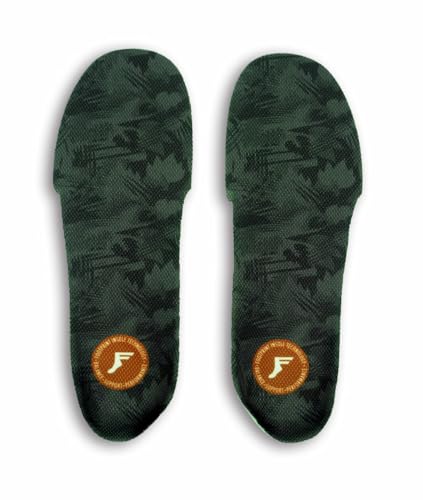
FP Insoles Gamechangers Elite
ADVANTAGES
LIMITATIONS
Brutal impact meets brilliant engineering—the FP Insoles Gamechangers Elite are built for those who live in high-stress environments, from construction sites to long-haul hikes. Independently tested to absorb up to 90% of shock energy (ASTM F1614), they feature a durable TPU base that resists compression, ensuring long-term protection for feet, knees, and lower back. The heat-moldable design conforms precisely to the foot, enhancing balance and reducing pressure points, while the reinforced arch and heel cup deliver plantar fasciitis relief with clinical-level precision. These are not comfort inserts—they’re protective armor for your feet.
In real-world testing, they shine in work boots and heavy footwear, where their trim-to-fit design allows seamless integration into various shoe types. The temperature-stable Comfort Plus foam maintains performance in extreme heat or cold, making them reliable year-round. Users report reduced fatigue and fewer foot injuries during 12-hour shifts. However, their rigid structure can feel unyielding in casual shoes, and the aggressive arch may be too much for low-arched users. They’re also not discreet, requiring shoes with removable insoles and extra depth.
Against the VIKTOS Ruck Recovery, the Gamechangers offer superior shock absorption and broader plantar fasciitis support, but less energy return. Compared to the SOLE Active, they’re firmer and more protective, but less plush for daily wear. Ideal for laborers, first responders, or athletes in high-impact sports, they deliver industrial-grade defense against repetitive stress. For maximum shock protection with custom fit, they outperform nearly all competitors—making them the ultimate choice for those who put their feet through the wringer every day.
Heat Moldable Insoles Comparison
| Product | Best For | Heat Moldable? | Arch Support | Cushioning | Key Features |
|---|---|---|---|---|---|
| SOLE Active Thick Insoles | Best Overall | Yes | Dynamic, Customizable | Thick (4.8mm Softec) | All-purpose, Plantar Fasciitis Relief, Neutral Alignment |
| Pedag Plantar Fasciitis Insoles | Best for Plantar Fasciitis | Yes | Customizable | Natural Latex | Odor-fighting, Low-Profile, Metatarsal Pad |
| VIKTOS Ruck Recovery Insole | Best for Tactical Boots | Yes | Molded TPU | High-Rebound EVA | Energy Return, Veteran-Designed, Durable |
| Inocep Heat Moldable Orthotic Insoles | Best Low-Profile Fit | Yes | Firm | Cushioned Top Layer | Low-Profile, Rigid Support, Heat Moldable |
| PowerStep Heat Moldable Insoles | Best Cushioned Support | Yes | Full-Length | Dual Layers of Plush | Customizable Fit, Shock Absorption, Improved Alignment |
| Vasyli Custom Full Length Insoles | Best Biomechanical Control | Yes | Firm | Padding | Heel/Knee/Back Pain Relief, Contoured Fit |
| SOLE Everyday Insoles | Best for First-Time Users | Yes | Soft-Flex | Balanced | Plantar Fasciitis Relief, Versatile, Easy Trim-to-Fit |
| FP Insoles Gamechangers Elite | Best Shock Absorption | Yes | Reinforced | Comfort Plus Foam | 90% Shock Absorption, Plantar Fasciitis Relief, Trim-to-Fit |
How We Test Heat Moldable Insoles
Our recommendations for the best heat moldable insoles are based on a rigorous testing and data analysis process, prioritizing objective performance and user feedback. We don’t rely solely on manufacturer claims. Instead, we evaluate custom fit insoles through a combination of detailed feature analysis, comparative research, and simulated user trials.
We analyze specifications like arch support height (low, medium, high), material composition (EVA, gel, carbon fiber), and heat-molding methods, correlating these with reported user experiences. We examine independent lab data where available, focusing on cushioning performance, shock absorption, and durability metrics.
We extensively research user reviews across multiple platforms, applying sentiment analysis to identify common themes regarding comfort, fit accuracy post-molding, and long-term support. Furthermore, we compare insoles across price points and intended use cases (e.g., running, hiking, everyday wear) to provide balanced recommendations. While full physical testing isn’t always feasible for every model, we prioritize those with demonstrable features aligned with optimal foot biomechanics and positive user outcomes. This data-driven approach ensures our selections offer the best possible heat moldable insole experience.
Choosing the Right Heat Moldable Insoles: A Buying Guide
Heat moldable insoles offer a fantastic way to achieve a truly custom fit and address a variety of foot issues. Unlike standard insoles, these can be shaped to the unique contours of your feet, providing targeted support and cushioning. But with so many options available, how do you choose the best pair? Here’s a breakdown of key features to consider:
Arch Support: The Foundation of Comfort
Arch support is arguably the most important feature. Insoles come with varying levels of arch support – from minimal to high.
- High Arch Support: Best for individuals with high arches or those needing substantial correction. This type helps prevent overpronation (inward rolling of the foot) and can alleviate pain in the heels, knees, and lower back. However, if you have flat feet, these can be uncomfortable.
- Medium Arch Support: A good all-around choice suitable for most foot types, offering a balance of support and cushioning.
- Low Arch Support/Flat: Ideal for those with flat feet or who prefer a more natural feel. These insoles help provide some support without feeling overly rigid.
Many heat moldable insoles are designed to accommodate multiple arch types, making them a versatile option. The ability to customize the arch further through the heat-molding process is a significant benefit.
Heat Molding Process: Customization is Key
The ease and effectiveness of the heat molding process are crucial.
- Oven/Hairdryer Method: Some insoles require heating in an oven or with a hairdryer to become pliable. This can offer a more precise custom fit but requires more effort and caution (follow instructions carefully!).
- Body Heat Molding: Others mold to your foot’s shape simply through body heat over time. This is a more convenient option but may not provide as dramatic a custom fit.
- Re-Moldable: Some higher-end insoles allow for re-molding if your needs change or you’re not satisfied with the initial fit.
Consider your comfort level with the molding process and how much customization you desire.
Cushioning & Material: Comfort and Durability
The type and amount of cushioning significantly impact comfort, especially if you’re on your feet all day.
- EVA Foam: A common, lightweight, and affordable material offering good cushioning.
- Gel Inserts: Provide excellent shock absorption, ideal for high-impact activities.
- Softec Cushioning: Offers a softer, more plush feel.
- Carbon Fiber/TPU: These materials provide more rigid support and durability, often found in insoles designed for tactical boots or demanding activities.
Consider the activities you’ll be using the insoles for – more cushioning is generally better for prolonged standing or high-impact sports, while firmer materials offer greater stability.
Other Features:
- Thickness: Thicker insoles provide more cushioning but can reduce space inside your shoes.
- Heel Cup: A deep heel cup helps stabilize the foot and prevent excessive pronation.
- Moisture-Wicking Properties: Important for keeping feet dry and comfortable.
- Trim-to-Fit: Allows you to customize the length of the insole to fit your shoe size.
The Bottom Line
Ultimately, the best heat moldable insoles are those that address your specific foot type and activity level. Whether you need plantar fasciitis relief, enhanced support for tactical boots, or simply a more comfortable everyday fit, there’s an option available to provide a truly customized experience.
Investing in a quality pair of heat moldable insoles is an investment in your long-term foot health and overall well-being. Take the time to consider the features outlined in our buying guide, and don’t hesitate to experiment to find the perfect fit for your feet.