If you’ve ever felt like you’re walking on hot coals or stepping on a marble with every stride, you may be one of the millions dealing with metatarsalgia—a painful condition affecting the ball of the foot. This isn’t just soreness from a long day on your feet; it’s a mechanical overload of the metatarsal heads, the bones just behind your toes that bear immense pressure during movement. Left unmanaged, metatarsalgia can turn simple tasks like walking or standing into daily struggles.
The most effective and immediate way to combat this pain? Cushioning. But not just any soft insole or plush shoe—targeted, biomechanically smart cushioning that absorbs shock, redistributes pressure, and supports natural foot function. While rest, stretching, and medical care play roles, cushioning directly addresses the root cause: excessive force on sensitive forefoot structures. For those battling persistent ball-of-foot pain, understanding why cushioning is key for metatarsalgia sufferers isn’t just helpful—it’s essential for regaining comfort and mobility.
Shock Absorption Reduces Forefoot Stress

How Cushioning Blocks Impact Forces
Every time your foot hits the ground, a wave of impact travels up through your body. On hard surfaces like tile, concrete, or pavement, that force concentrates in the forefoot—especially if your shoes lack proper cushioning. Without a buffer, the metatarsal heads absorb the brunt of this pressure, leading to inflammation, pain, and tissue damage over time.
Cushioning acts as a shock-absorbing shield, intercepting impact before it reaches vulnerable areas. Materials like EVA foam, memory foam, gel, and polyurethane compress under load, converting kinetic energy into harmless heat. This reduces the peak pressure felt at the ball of the foot by 30–40%, according to clinical studies—making a measurable difference in pain levels.
- Gel inserts excel at dampening sudden impacts, ideal for high-impact activities or standing on unforgiving floors.
- EVA midsoles offer responsive, lightweight cushioning that maintains performance over months of use.
- Polyurethane outsoles provide long-lasting durability, especially in work or outdoor environments.
These technologies work together to protect the forefoot during both heel strike and toe-off—the two phases of gait that generate the highest pressure on the metatarsals.
Signs You Need More Shock Protection
Not all cushioning failure is obvious. Here’s how to know when your shoes aren’t doing their job:
– Pain increases after standing or walking on hard floors
– Your shoes feel stiff or “board-like” underfoot
– You notice thinning or hardening of the midsole
– Discomfort builds throughout the day, even with rest
Pro Tip: Replace athletic shoes every 300–500 miles or six months with regular use. Cushioning degrades long before the sole shows visible wear.
Pressure Redistribution Beats Simple Padding

Why Placement Matters More Than Softness
Many people assume that softer is better—but when it comes to metatarsalgia, placement trumps plushness. A common mistake is placing a cushion directly under the painful spot. While it might feel comforting at first, this can actually increase focal pressure, trapping the metatarsal heads and worsening inflammation.
True relief comes from offloading, not just padding. The goal is to lift the transverse arch—the natural curve across the ball of the foot—so the metatarsal bones are slightly separated and weight is spread more evenly. This reduces compression on nerves, joints, and soft tissues.
“A true metatarsal pad sits just behind the painful spot. It raises the transverse arch and redistributes pressure. A simple cushion under the exact sore spot may feel soft but often fails to offload pressure from the metatarsal heads.”
Use Metatarsal Pads Correctly
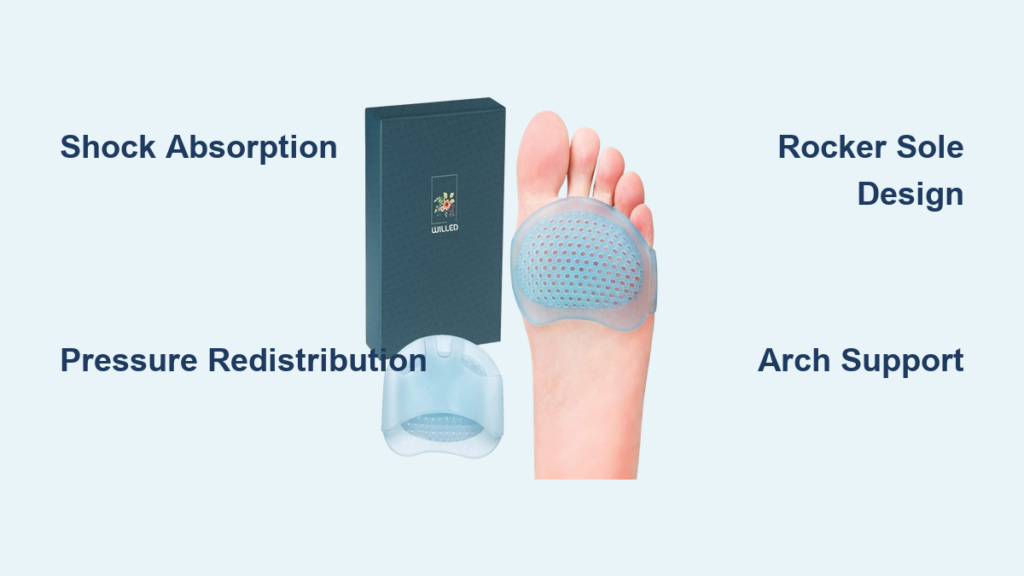
Metatarsal pads are small but powerful tools. Positioned just behind the metatarsal heads, they:
– Lift and separate the metatarsals
– Reduce nerve compression and joint strain
– Prevent “jamming” during push-off
Types include:
– Adhesive gel pads: Ideal for high heels or slim dress shoes
– Foam dome pads: Durable and supportive for athletic or daily wear
– Teardrop-shaped inserts: Target specific high-pressure zones
Expert Note: Combine metatarsal pads with arch support. An orthotic featuring a retro-capital bar (support behind the metatarsal heads) enhances load distribution across the entire foot.
Supportive Shoe Design Enhances Cushioning
Choose Shoes with Smart Geometry
Cushioning doesn’t work in isolation—it must be part of a shoe’s overall biomechanical design. The shape and structure of the sole matter just as much as softness.
“I think it has more to do with the actual geometry of the sole and how it interacts with your foot than the firmness or softness of the shoe itself.”
— ashtree35, Reddit user with long-term metatarsalgia
A well-designed shoe integrates cushioning with support to protect the forefoot throughout the gait cycle.
Rocker Soles Reduce Forefoot Bending
A rocker-bottom sole curves upward from midfoot to toe, encouraging a smooth roll during push-off. This reduces bending at the metatarsophalangeal (MTP) joints, minimizing strain on inflamed tissues.
- Especially helpful for those with tight Achilles tendons or limited ankle mobility
- Found in therapeutic brands like Anodyne and Xelero
- Often more effective than ultra-soft soles for chronic metatarsalgia
Real Experience: Many patients report better results with firmer, rockered shoes than overly cushioned models, proving that support often trumps softness.
Key Features in Metatarsalgia-Friendly Footwear

1. Targeted Forefoot Cushioning
This is non-negotiable. Look for:
– Thick, responsive foam or gel under the ball of the foot
– Multi-layer midsoles (e.g., EVA + gel)
– Pressure-mapped cushioning (as in Anodyne shoes)
Avoid flat, minimalist, or fashion-forward shoes with thin soles.
2. Wide, Natural Toe Box
Narrow shoes compress the forefoot, increasing pressure and aggravating conditions like Morton’s neuroma.
Choose:
– Rounded or square toe shapes
– No pinching or toe crowding
– Space for natural toe splay
3. Low or Zero Heel-to-Toe Drop
High heels shift up to 76% more weight to the forefoot. Even low heels can contribute to pain over time.
Opt for:
– 1–2 cm heel height maximum
– Zero-drop shoes (heel and forefoot level), like Altra models
– Shoes with a gentle, balanced slope
4. Arch Support and Stability
Poor arch support alters pressure distribution. Choose shoes that:
– Prevent overpronation (in flat feet)
– Reduce strain from high arches
– Accommodate custom orthotics if needed
5. Lightweight, Breathable Materials
Heavy shoes increase fatigue and forefoot load. Prioritize:
– Mesh uppers for breathability
– Flexible yet structured midfoot support
– Lightweight rubber outsoles
Avoid stiff, clunky boots unless specifically designed for foot pain.
Orthotics and Customization Options
Prefab vs. Custom Orthotics
Prefabricated Insoles:
– Affordable and effective for mild to moderate cases
– Top picks: Powerstep Pinnacle Plus Met, SuperFeet Green
– Include arch support and forefoot cushioning
Custom-Made Orthotics:
– Designed from 3D scans or molds
– Include retro-capital bars, metatarsal pads, and custom materials
– Prescribed by podiatrists or pedorthists
– Reduce plantar pressure by up to 28% (gait analysis studies)
DIY Modifications That Work
Some users find relief through simple hacks:
– Cutting a thin plastic insert (e.g., from an ice box) and placing it under the insole to stabilize a dropping metatarsal
– Using moleskin or felt pads to create homemade metatarsal support
– Adding gel sleeves over toes to reduce friction
Caution: Test modifications gradually. Poor placement can worsen symptoms.
Proven Shoe Brands and Models
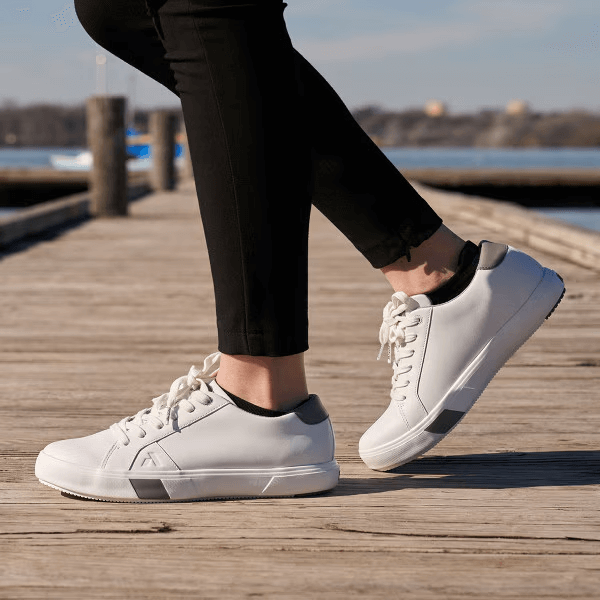
Anodyne: Therapeutic Design Leader
Engineered for foot pain using pressure-mapping technology.
Top models:
– Anodyne No. 27 (Women’s): Stylish, medical-grade sneaker
– Anodyne No. 16 (Men’s): Lightweight, everyday support
– Anodyne No. 56 (Men’s Trail Boot): Durable work boot with cushioning
Features: Removable insoles, wide toe box, low drop, rocker sole.
Xelero and Other Specialized Brands
Xelero combines gel pads in EVA midsoles with biomechanical design.
Key models:
– Xelero Genesis: Max cushion, rocker sole, wide fit
– Xelero Freedom: Breathable, ideal for sensitive or diabetic feet
Recommended for neuropathy, arthritis, and metatarsalgia.
Popular Athletic Options
- Hoka Bondi / Clifton: Max cushion, low drop, wide forefoot
- Brooks Ghost / Glycerin: Balanced support and cushioning
- Altra Rivera: Rocker geometry, zero drop, foot-shaped toe box
User Feedback: “I’ve had extremely painful metatarsalgia for several years. My solution has been properly sized, max cushion, low drop shoes—specifically Hokas.”
Clinical and Lifestyle Support Strategies
Stretching and Strengthening
Cushioning helps, but long-term relief requires addressing root causes.
Essential Stretches
- Calf stretch (gastrocnemius and soleus): Reduces tightness that increases forefoot load
- Achilles tendon release: Improves ankle dorsiflexion
- Hold each stretch 30 seconds, repeat 3x daily
Foot Muscle Exercises
- Toe curls: Pick up marbles or towels
- Marble pickups: Strengthen intrinsic foot muscles
- Arch lifts: Raise arch while keeping toes flat
Weight and Surface Management
- Lose excess weight: Every pound lost reduces four pounds of pressure on the forefoot
- Walk on softer surfaces: Grass, dirt trails, rubberized tracks
- Avoid prolonged standing on concrete
When to See a Professional
Signs You Need Expert Help
See a podiatrist or pedorthist if:
– Pain persists after 4–6 weeks of proper footwear
– You experience numbness, tingling, or swelling
– Visible deformities (bunions, hammertoes) develop
– Daily activities are limited
Diagnostic and Treatment Options
- Gait analysis and pressure mapping: Identifies exact pressure points
- Imaging (X-ray, MRI): Rules out stress fractures or sesamoiditis
- Custom orthotics: Tailored to your foot mechanics
- Surgical options (last resort):
- Weil osteotomy: Shortens or elevates a metatarsal head
- Minimally invasive correction: Faster recovery
- Requires 3 weeks in an orthopedic shoe post-op
Prevent Recurrence with Smart Habits
Rotate Your Shoes
Wearing the same pair daily increases repetitive stress. Rotate between 2–3 cushioned pairs to vary pressure patterns and extend shoe life.
Athlete Tip: Shoe rotation is linked to fewer overuse injuries and better metatarsalgia outcomes.
Replace Worn-Out Footwear
Cushioning fades over time. Replace:
– Running shoes: 300–500 miles
– Work shoes: Every 6–12 months
– Casual shoes: When midsole feels hard
Combine Cushioning with Prevention
Think of cushioning as part of a full strategy:
– Wear supportive shoes all day
– Use metatarsal pads in high heels or dress shoes
– Stretch daily, especially after long periods on your feet
Final Note:
Cushioning is not just about comfort—it’s a biomechanical necessity for metatarsalgia sufferers. By absorbing shock, redistributing pressure, and supporting natural foot motion, the right cushioning system can stop pain at its source. But it must be targeted, correctly placed, and combined with proper shoe design and lifestyle habits. Whether through specialized shoes like Anodyne or Xelero, metatarsal pads, or custom orthotics, you don’t have to live with forefoot pain. With the right approach, relief is within reach.