

If you’ve just picked up your new custom arch supports, you might be tempted to wear them all day from the very first moment—especially if you’ve been dealing with foot pain, plantar fasciitis, or knee discomfort for months. But here’s the crucial truth: your body needs time to adapt. Arch supports aren’t just inserts—they’re precision tools that retrain your feet, realign your posture, and reshape your gait. Just like starting a new fitness routine or wearing a brace after an injury, these changes don’t happen overnight. That’s why a break-in period of 2–4 weeks is not optional—it’s essential.
Skipping this phase can lead to unnecessary soreness, muscle strain, or even new pain in your feet, legs, or back. On the flip side, following a smart, gradual introduction allows your muscles, tendons, and joints to adjust safely, setting you up for long-term relief and better movement. In this guide, you’ll discover why arch supports require this transition, what sensations are normal (and which are warning signs), and a proven step-by-step plan to break them in without setbacks—so you can walk with confidence, not discomfort.
Your Body Is Relearning How to Move

Custom arch supports do far more than cushion your feet—they correct biomechanical imbalances that may have developed over years. Whether you have flat feet, overpronation, or high arches, your body has likely adapted with compensatory patterns: certain muscles working overtime, others barely firing at all. When orthotics lift and stabilize your arches, they reset this entire system.
Muscles Wake Up After Years of Inactivity
Suddenly, muscles that were underused—like the intrinsic foot muscles or glutes—get the signal to start doing their job. Meanwhile, overworked muscles like the posterior tibialis or calf begin to relax. This shift is beneficial, but it’s also a big change.
Think of it like beginning strength training after a long break: the first few sessions leave you sore, not because you’re injured, but because your body is adapting. The same applies here—mild fatigue or achiness in the arches, calves, or lower back is normal during the first few days. It means your neuromuscular system is recalibrating.
“The change can be dramatic because it causes many muscles that were working too hard to work less hard—and muscles that weren’t helping suddenly snap to attention.”
— Article 1
Joints and Tendons Adjust to New Forces
Your subtalar joint, Achilles tendon, and even knee and hip joints experience different loading patterns once your foot strikes the ground more efficiently. Tendons that were chronically overstretched or compressed now follow a new path. Without a gradual introduction, this sudden shift can cause inflammation, microtrauma, or joint irritation—especially if you jump straight into full-day wear.
That’s why the break-in period isn’t about comfort alone—it’s about protecting your tissues while they adapt.
Normal vs. Abnormal: What to Expect (and When to Worry)
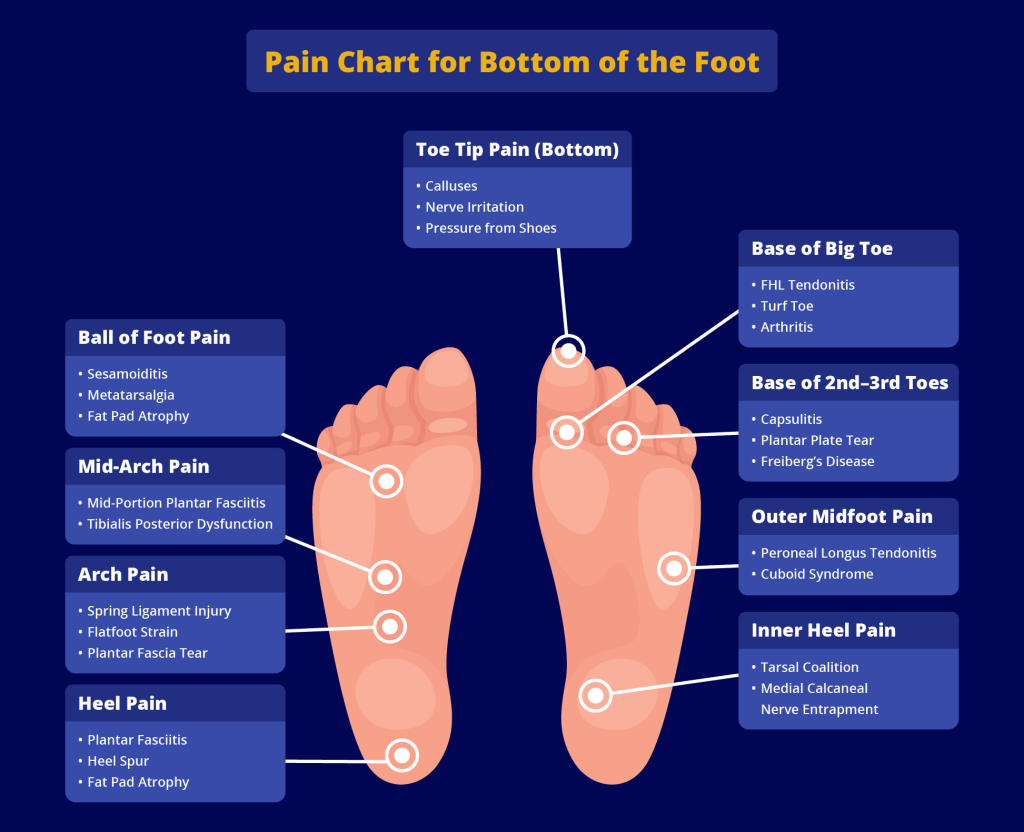
Not all discomfort means something’s wrong. In fact, some sensations are signs the orthotics are working. But knowing the difference between normal adaptation and danger signals is key to a successful transition.
Typical (Normal) Sensations
- A feeling like you’re standing on a golf ball under the arch
- Mild soreness or fatigue in the arches, heels, or calves
- A sense of imbalance or height, as if you’re walking on stilts
- Tightness in your shoes due to the added volume of the orthotic
- General muscle aches, similar to post-workout soreness
These feelings usually peak in the first 3–5 days and fade as your body adjusts.
Red Flags (Not Normal)
- Sharp, stabbing, or burning pain in any part of the foot
- Numbness or tingling, especially in the toes or ball of the foot
- Persistent soreness in the same spot for more than 2–3 days
- A new limp or noticeable change in how you walk
- Blisters or red pressure marks on the skin
“Sharp or persistent pain is not normal and should be addressed immediately.”
— Article 9
Even if your orthotics feel amazing from day one—like “walking on clouds”—don’t skip the break-in. Sudden full-day use can overload unprepared tissues, leading to delayed pain or injury.
How to Break In Arch Supports: A Step-by-Step Plan

Rushing is the #1 reason people give up on orthotics. Follow a structured wear schedule to build tolerance safely and effectively.
1–4 Week Gradual Wear Schedule
| Day | Wear Time | What to Do |
|---|---|---|
| Day 1 | 1–2 hours | Wear during light activity (e.g., walking around the house). Remove if discomfort occurs. |
| Day 2 | 2–3 hours | Only increase if no pain on Day 1. |
| Days 3–7 | Add 1 hour daily | Aim for 6–8 hours by the end of Week 1. |
| Week 2 | 6–10 hours | Use during most daily tasks. Avoid long walks or standing. |
| Week 3–4 | Full-day wear | Most people adjust fully by now. Some may take up to 30 days. |
“It can take up to a month before you feel completely comfortable wearing your custom foot orthotics for a full day.”
— Article 3
Alternative Protocols for Different Needs
5-Day Linear Method (Dr. Karpati)
- Day 1: 1 hour
- Day 2: 2 hours
- Day 3: 3 hours
- Day 4: 4 hours
- Day 5: 5 consecutive hours
After Day 5, you can begin light physical activity.
Short-Burst Introduction (Best for Sensitive Feet)
- Start with 15–30 minutes per day
- Increase slowly over 1–2 weeks
- Ideal for those with fibromyalgia, neuropathy, or foot sensitivities
Step-Up Hourly Schedule (Article 6)
- Day 1: 2 hours
- Day 2: 3 hours (if pain-free)
- Days 3–6: Add 1 hour daily
- If soreness occurs: Pause progression until symptoms resolve
5 Key Tips for Break-In Success
1. Listen to Your Body—Not the Clock
Mild achiness is okay. Sharp pain is not. If discomfort spikes, remove the orthotics and return to the previous day’s wear time. Never “push through” pain—it can lead to tendonitis or compensatory injuries.
2. Wear the Right Shoes
Orthotics need the right environment to work:
– Remove the factory insole to prevent crowding
– Choose deep, wide shoes with good heel support (e.g., athletic or orthopedic models)
– Avoid flip-flops, ballet flats, or narrow dress shoes
“Shoes must have removable insoles to accommodate the orthotic without overcrowding.”
— Article 4
3. Prepare the Orthotic Correctly
- Trim the top cover if needed, using the original insole as a guide
- Ensure right and left are correctly placed—mismatched orthotics cause imbalance
- For children or diabetic patients: Keep the original insole but cut out the arch padding to create a flat base
Improper placement can cause pressure points or reduce support.
4. Hold Off on High-Impact Activity
Athletes should:
– Wait at least 7 days of pain-free daily wear before using orthotics in workouts
– Test them during practice, not competition
– Watch for new muscle fatigue or joint pain
“Do not partake in any rigorous physical activity until you have broken in the custom foot orthotics completely.”
— Article 3
5. Check Your Feet Daily
Look for:
– Red spots or pressure marks (early warning signs)
– Blisters or abrasions
– Persistent soreness in one area
If irritation occurs:
– Stop wearing the orthotics
– Contact your podiatrist or pedorthist for adjustments
– Never sand, cut, or heat the orthotic yourself
“Small adjustments can often fix these issues.”
— Article 2
When to See a Professional
Even with proper use, some people need help adjusting. Contact your provider if:
– Pain worsens or persists after 2–3 weeks
– You develop knee, hip, or back pain
– You feel numbness, tingling, or burning
– You start limping or walking differently
– The orthotic feels too high, too rigid, or poorly shaped
Up to 30% of patients need minor adjustments—this is normal and expected.
Common Problems and How to Fix Them
| Problem | Likely Cause | Solution |
|---|---|---|
| Arch pain | Arch too high or rigid | See provider for grinding or padding; slow down break-in |
| Heel soreness | Rearfoot cup too deep | Add heel cushion; adjust fit |
| Knee/hip pain | Altered leg alignment | Gait assessment; orthotic tuning |
| Slipping orthotic | Poor shoe fit | Use moleskin in heel; try different shoes |
| Odor or moisture | Sweat buildup | Remove nightly; use moisture-wicking socks |
| Loss of support | Material wear | Inspect monthly; replace every 12–24 months |
Adaptation Time Varies—And That’s OK
There’s no universal timeline. Most people adjust in:
– 1–2 weeks: Mild issues, younger users
– 3–4 weeks: Chronic pain or severe overpronation
– Up to 60 days: Older adults or rigid orthotics
Factors affecting speed: age, activity level, tissue health, and orthotic type.
“Everyone adapts on their own time.”
— Article 3
Special Cases
Athletes
- Use in low-intensity training first
- Wait 7 pain-free days before game use
- Monitor for changes in stride or fatigue
Children
- May use plastic shells without padding
- Retain original insole (minus arch) for cushioning
- Parents should monitor gait and comfort daily
Diabetic Patients
- Orthotics prevent ulcers and calluses
- Daily foot checks are non-negotiable
- Use seamless socks and inspect for pressure sores
Leather Boots
- The insole will mold to the orthotic, not your foot
- For molded insoles: Wear boots 80–100 hours without orthotics first
- Or accept that custom orthotics are already molded to your foot
“If the orthotic is custom, it should already be formed to your foot.”
— Article 7
Long-Term Use and Care
Once broken in:
– Wear orthotics daily during weight-bearing activities
– Clean with a damp cloth and mild soap
– Never soak, machine wash, or expose to heat
– Let them air dry if damp
– Inspect monthly for wear or cracks
– Replace every 12–24 months
Consistent use ensures lasting benefits: reduced pain, better alignment, and improved mobility.
Final Note: The break-in period for arch supports isn’t a hurdle—it’s a bridge to better foot health. Rushing leads to discomfort and abandonment. A slow, structured approach allows your body to adapt safely, turning orthotics into a powerful tool for long-term relief. With patience, proper use, and professional support, they’ll soon feel like a natural part of every step you take.