
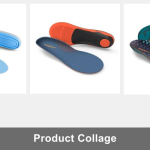
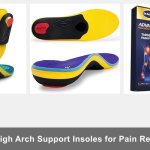
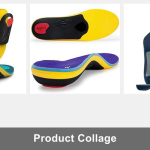

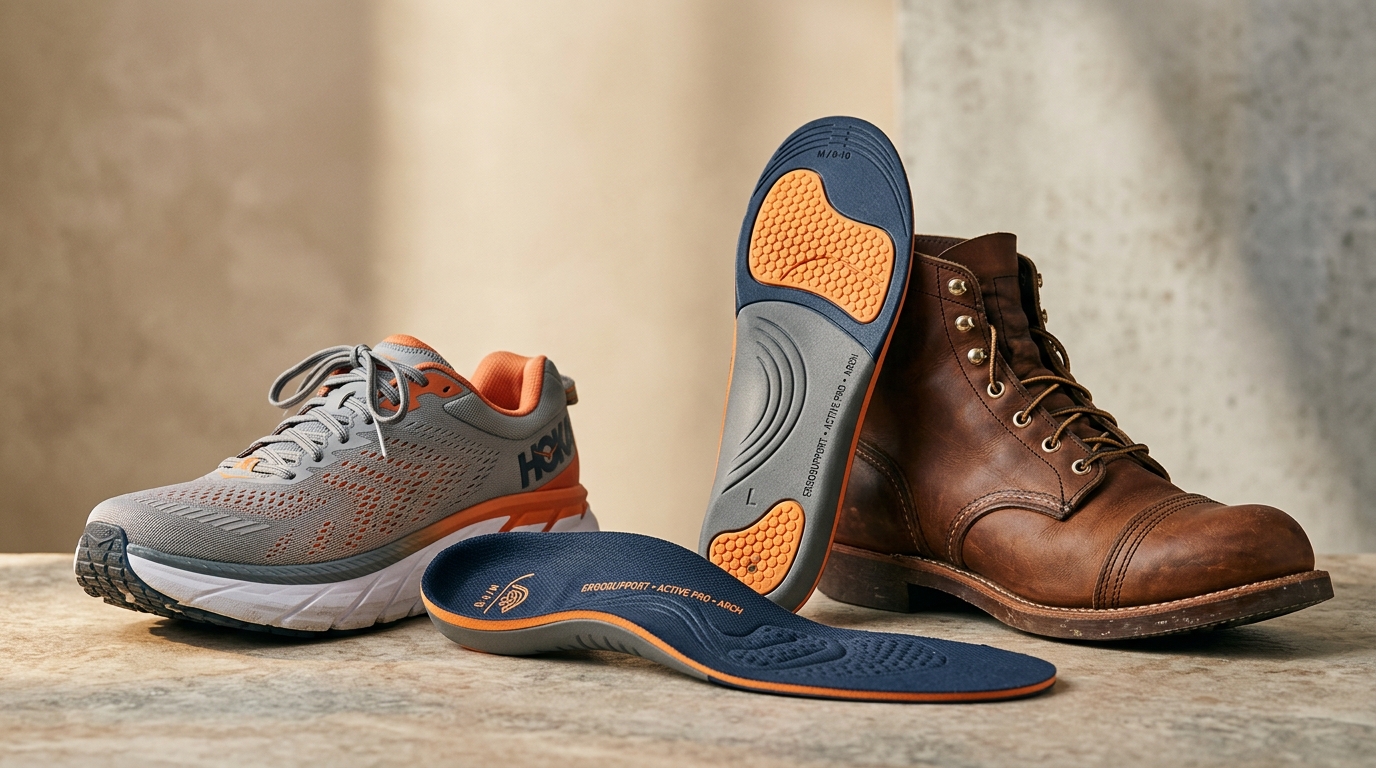
If you spend long hours standing on concrete floors, logging heavy mileage, or dealing with sharp morning heel pain, standard shoe inserts often feel like little more than flimsy cardboard. When your feet bear repetitive impact or support extra body weight, generic flat foam compresses within weeks, leaving your arches unsupported and your heels absorbing punishing shock. Heavy-duty arch support insoles are engineered specifically to solve this breakdown by pairing rigid or semi-rigid structural shells with high-density shock-absorbing cushioning.
In this comprehensive guide, we examine how heavy-duty orthotic inserts work, who benefits most from reinforced support, and how to choose the right pair for your foot structure and daily activities. Whether you are managing plantar fasciitis, dealing with flat feet, or searching for durable support inside your work boots, you will discover the key materials, fitting steps, and realistic expectations needed to make an informed decision.
What Are Heavy-Duty Arch Support Insoles?
Unlike standard cushioned shoe liners that simply add a thin layer of soft foam, heavy-duty arch support insoles are structural orthotic devices designed for maximum mechanical reinforcement and durability.
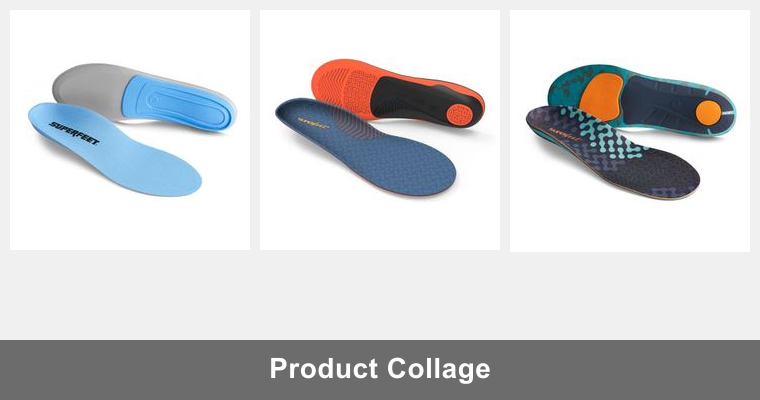
At their core is a reinforced arch bridge—typically molded from thermoplastic polyurethane (TPU), carbon composite, or hardened nylon—that resists collapsing under intense pressure. This rigid or semi-rigid skeleton is paired with layered high-resilience EVA foam, polyether memory foam, and targeted polymer gel pads at the heel and metatarsal zones.
While conventional drugstore insoles prioritize immediate step-in plushness, heavy-duty orthotics prioritize biomechanical alignment. They provide three essential functional zones:
- Deep Calcaneal Heel Cradle: Cups the heel’s natural fatty pad to concentrate shock absorption under the center of the heel bone.
- Biomechanical Arch Bridge: Matches the longitudinal arch to limit excessive inward rolling (overpronation) or bridge high rigid arches.
- Multi-Density Kinetic Cushioning: Disperses ground reaction forces across the entire foot bed during heel-strike and push-off.
How Heavy-Duty Insoles Work: The Biomechanics of Foot Support

Understanding why reinforced insoles provide relief begins with the anatomy of the foot. The plantar fascia is a thick band of connective tissue running from your heel bone (calcaneus) to the base of your toes. Every time your heel hits the ground and your arch flattens, tensile stress pulls across this tissue.
When you stand for 8 to 12 hours on unforgiving concrete or walk with unsupported flat feet, repetitive strain creates micro-tears along the fascia, frequently leading to localized inflammation and heel spur formation. When repetitive strain leads to localized inflammation, choosing insoles designed specifically for plantar fasciitis can help unload tension off the calcaneal attachment.
Heavy-duty arch support insoles alter this load distribution in three distinct ways:
- Reducing Plantar Fascia Tension: By maintaining the foot’s natural windlass mechanism, the firm arch contour prevents the arch from collapsing completely, reducing strain on the fascia attachment point.
- Stabilizing the Subtalar Joint: The deep, rigid heel cup prevents lateral sliding and locks the heel into a neutral alignment, minimizing unwanted ankle wobble and inward ankle rollover.
- Pressure Re-Distribution: Rather than concentrating 60% or more of your body weight directly on the heel and metatarsal heads, the molded profile spreads contact across the entire plantar surface area.
Who Can Benefit Most from Heavy-Duty Insoles?
While lightweight cushions suit casual walkers with neutral arches, heavy-duty orthotic inserts are engineered for scenarios involving elevated stress, repetitive impact, or structural foot variations:
- People Standing on Hard Surfaces All Day: Warehouse workers, nurses, retail workers, tradespeople, and manufacturing staff who stand on polished concrete or steel grating for 8+ hours daily.
- Individuals Managing Plantar Fasciitis or Heel Spurs: Anyone experiencing sharp, stabbing heel pain upon taking their first steps in the morning.
- People with High Arches (Pes Cavus): High arches leave a hollow gap under the midfoot, concentrating excessive pressure on the heel and ball of the foot. Because hollow midfoot cavities concentrate shock, dedicated high arch shoe inserts fill the gap to equalize bottom pressure.
- People with Moderate to Severe Flat Feet (Pes Planus): Low arches that collapse inward require rigid medial support. Individuals with low or collapsing arches often require supportive inserts for flat feet to resist excessive overpronation and keep joints aligned.
- Individuals with Higher Body Weight (200+ lbs): Extra body mass compresses standard foam instantly; reinforced TPU shells maintain structural contour without bottoming out.
- Active Walkers, Hikers, and Runners: High-mileage athletes requiring sustained torsional stability and heel impact protection.
Key Materials & Anatomy of a High-Performance Insole

The lifespan and comfort of an insole depend directly on its layered material architecture. High-quality orthotic inserts generally feature a four-tier construction:
- Top Cover (Moisture-Wicking & Anti-Friction): Breathable jacquard fabric, velvet mesh, or bamboo polyester treated with antimicrobial properties to control perspiration and prevent blister-causing heat buildup.
- Mid-Layer Cushion (High-Density PU or EVA Foam): Resilient cushioning that maintains rebound resilience over hundreds of miles without permanent flattening.
- Structural Cradle (Rigid or Semi-Rigid TPU Shell): An injection-molded thermoplastic plate extending from the heel through the midfoot arch to deliver dynamic torsional rigidity. By stabilizing the calcaneal fat pad, deep heel cup orthotics enhance your body’s natural shock absorption capacity.
- Heel & Forefoot Damping Pads (Polymer Gel or Poron Foam): Specialized viscoelastic inserts placed directly beneath the calcaneus and metatarsal heads to absorb rapid peak impact shock.
Foot Arch Types & Insole Requirements
| Foot Type | Visual & Mechanical Profile | Common Complaints | Recommended Insole Characteristics |
|---|---|---|---|
| Flat Feet (Low Arch / Overpronation) | Arch touches the ground; ankle tends to roll inward during gait. | Plantar fascia strain, shin splints, inner ankle & knee soreness. | Rigid or semi-rigid medial arch post, deep heel cup (15-20mm) to control excessive pronation. |
| Neutral Arch (Normal Pronation) | Balanced arch curve with moderate ground clearance during stance. | General heel fatigue, metatarsal pressure after 8+ hours on concrete. | Semi-rigid flexible arch support, dual-density EVA cushioning, balanced shock absorption. |
| High Arch (Underpronation / Supination) | Prominent gap under midfoot; body weight concentrated on heel and ball. | Metatarsalgia, heel spur discomfort, outer ankle stress, poor shock damping. | High contoured arch bridge to fill the hollow space, thick PU heel & forefoot gel pads. |
Insole Types: Materials, Rigidity, and Best Use Cases
| Insole Category | Core Material & Rigidity | Primary Benefit | Potential Limitation | Best Shoe Pairing |
|---|---|---|---|---|
| Heavy-Duty Orthotic | Molded TPU/Carbon shell with high-density EVA | Maximal arch stability, will not flatten under heavy load | Requires 3-5 day break-in period; higher vertical profile | Work boots, supportive sneakers, hiking boots |
| Full Gel Insole | Polymer elastomer silicone gel | High initial step-in plushness, fluid shock dampening | Lacks rigid arch support; heavier weight and prone to sliding | Casual sneakers, everyday walking shoes |
| Memory Foam Liner | Low-density viscoelastic foam | Custom contouring to foot shape upon pressure | Compresses flat within weeks; negligible arch reinforcement | Slippers, lightweight casual slip-ons |
| 3/4 Length Slim Orthotic | Rigid composite plate ending before metatarsals | Fits in tight footwear without trimming toe box | Does not provide forefoot cushioning | Dress shoes, low-volume loafers, tight boots |
Store-Bought Heavy-Duty Insoles vs. Custom Podiatric Orthotics

A common consumer question is whether to purchase premium over-the-counter (OTC) heavy-duty insoles or invest in prescription custom orthotics made by a podiatrist. Before scheduling an expensive podiatric scan, reviewing the custom orthotics cost and benefits helps determine if store-bought support is sufficient.
Over-the-counter heavy-duty insoles ($30–$60) utilize universal biomechanical contours and high-grade TPU shells. For many individuals dealing with general fatigue, mild-to-moderate flat feet, or initial plantar fasciitis symptoms, modern OTC insoles offer substantial support and noticeable comfort improvement at an accessible price point.
Custom medical orthotics ($400–$800+), in contrast, are fabricated from 3D laser scans or plaster molds of your specific foot. They are essential for severe foot deformities, significant leg-length discrepancies, active diabetic neuropathy, or persistent biomechanical dysfunction that fails to respond to conservative OTC support.
| Feature | Store-Bought Heavy-Duty Insoles | Custom Medical Orthotics |
|---|---|---|
| Typical Cost (USA) | $30 – $60 per pair (widely available) | $400 – $800+ (often requires insurance pre-authorization) |
| Fit & Customization | Universal biomechanical contours; trimmed with scissors to fit shoe length | Custom molded from 3D laser foot scan or plaster casting |
| Arch Rigidity & Strength | Reinforced injection-molded TPU or reinforced nylon shell | Prescription rigid carbon fiber, polypropylene, or graphite |
| Turnaround Time | Immediate delivery & use | 2 to 4 weeks for laboratory fabrication |
| Target Condition | General foot fatigue, mild-to-moderate flat feet, early-stage plantar fasciitis | Severe foot deformities, post-surgical recovery, severe neuropathy, limb discrepancies |
How to Choose, Trim, and Fit Your Insoles Correctly

Even the best orthotic insole will fail to perform if it is incorrectly sized or placed improperly inside your shoe. Follow these practical steps:
- Always Remove the Factory Insole: Never place a full-length heavy-duty insole on top of your shoe’s existing removable liner. Stacking insoles crowds the toe box, elevates your heel too high, and causes slipping.
- Trace and Trim Carefully: Place your shoe’s original insole on top of the new heavy-duty insole, aligning them precisely at the heel cup. Use a pen to trace the outline around the toe area, then use sharp household scissors to trim away the excess edge.
- Check Shoe Volume: Heavy-duty insoles with rigid TPU arch bridges occupy moderate vertical volume. They fit seamlessly into work boots, athletic sneakers, and hiking footwear, but may feel tight in low-profile dress shoes or tight-fitting loafers. If your workday takes place primarily on polished concrete or steel grating, investing in heavy-duty work boot insoles prevents premature foam collapse.
- Secure the Heel Placement: Slide the trimmed insole flat into the shoe, pushing the heel cup firmly against the back counter to prevent gaps.
The Essential Break-In Period: What to Expect

Because heavy-duty insoles feature a rigid structural arch rather than soft, forgiving foam, your foot’s intrinsic muscles and connective tissues require time to adapt to proper biomechanical alignment.
During the first 3 to 5 days, feeling mild pressure or an unusual sensation under your arch is completely normal. However, you should not experience sharp pain or bruising.
- Day 1–2: Wear your insoles for 1 to 2 hours during light daily walking.
- Day 3–4: Increase wearing time to 3 to 4 hours, incorporating moderate standing.
- Day 5–6: Extend wear to 5 to 6 hours during routine work or daily errands.
- Day 7+: Wear full-time throughout your entire shift or active workout.
Durability, Care, and When to Replace Your Insoles

High-performance TPU-reinforced insoles typically maintain their arch height and structural integrity for 6 to 12 months with daily use, outlasting basic foam inserts which often collapse within 60 to 90 days.
- Cleaning: Hand wash the top fabric with warm water, mild soap, and a soft brush. Never submerge the insoles in boiling water or clean them in a washing machine.
- Air Drying: Allow the insoles to air dry thoroughly at room temperature. Keep them away from direct radiators, space heaters, or clothes dryers, as excessive heat can warp the thermoplastic arch shell.
- Signs It Is Time for Replacement: Replace your insoles if the top fabric wears through, the heel gel pad thins out, or the rigid arch structure exhibits visible creasing or reduced resistance when pressed with your thumb.
Responsible Foot Care & When to See a Healthcare Professional
While heavy-duty arch support insoles can provide valuable comfort and assist in stabilizing daily foot posture, they are supportive tools rather than medical cures.
If you experience persistent, severe heel or arch pain lasting more than 2 to 3 weeks, swelling, numbness, tingling sensations radiating up the ankle, or if you have diagnosed diabetes with peripheral neuropathy, schedule an evaluation with a board-certified podiatrist or orthopedic specialist. A professional examination ensures proper diagnosis and comprehensive care.
Frequently Asked Questions
How do heavy-duty arch support insoles differ from regular shoe cushions?
Regular shoe cushions are typically made of single-layer soft foam or gel designed solely for surface softness. Heavy-duty insoles incorporate a firm, molded thermoplastic (TPU) or composite arch bridge and a structured deep heel cup that will not collapse under body weight, actively maintaining skeletal alignment and preventing the plantar fascia from overstretching.
Can heavy-duty insoles help with plantar fasciitis pain?
Yes, many individuals find substantial relief with reinforced arch support insoles. By supporting the medial longitudinal arch and cupping the heel bone, these insoles help reduce excessive tension on the plantar fascia ligament and disperse focal heel impact across a wider surface area.
Should rigid arch support insoles feel uncomfortable when first worn?
It is common to feel unusual pressure or slight stiffness under your arch during the first few days as your foot muscles and fascia adapt to proper alignment. We recommend a gradual break-in period of 1 to 2 hours on Day 1, gradually increasing by 1 to 2 hours each day. If you experience acute, sharp pain, discontinue use and evaluate the fit.
Do I need to remove the original insole that came with my shoes?
Yes, you should almost always remove the factory insole before inserting full-length heavy-duty insoles. Keeping both insoles in the shoe reduces internal volume, constricts your toe box, and pushes your heel too high, causing slippage.
How do I know if I have flat feet or high arches?
A simple home method is the ‘wet foot test.’ Wet the bottom of your foot and step firmly onto a piece of cardboard or dark paper. If you see a complete imprint of your entire sole with no dry curve in the middle, you likely have flat feet. If you see a narrow connection or only the ball and heel with a large dry gap, you have high arches.
How long do heavy-duty arch support insoles typically last?
High-quality heavy-duty insoles generally last between 6 and 12 months with regular daily wear (or approximately 500 miles of walking/running). Because the structural TPU shell resists permanent deformation, they significantly outlast standard foam liners.
Can I move the same pair of insoles between different pairs of shoes?
Yes, as long as the receiving shoes have similar interior volume and removable factory insoles. Many people easily transfer their heavy-duty insoles between work boots and athletic sneakers.
Can heavy-duty arch support insoles be trimmed to size?
Yes. Most full-length insoles feature designated trimming lines near the forefoot. Use your shoe’s original factory insole as a template, trace around the toe curve, and trim using sharp household scissors. Never trim near the rigid arch or heel cup.
Are heavier individuals or people standing on concrete better off with rigid or gel insoles?
Heavier individuals (200+ lbs) and people working on hard concrete benefit substantially more from rigid or semi-rigid TPU insoles. Pure gel or soft foam quickly bottoms out under sustained weight, leaving the foot without functional arch support after only a few weeks.
When is it necessary to see a podiatrist instead of using over-the-counter insoles?
You should schedule a consultation with a podiatrist if you experience severe persistent pain lasting more than 2 to 3 weeks, noticeable swelling, localized heat or redness, numbness or tingling in the toes, or if you have diabetes, circulation problems, or a visible foot deformity.