

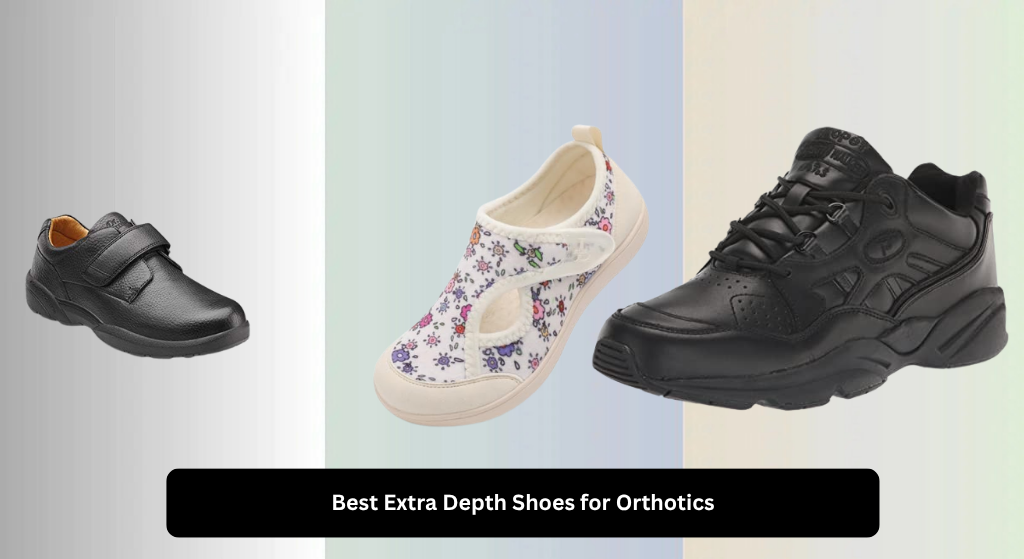
Finding shoes that comfortably fit orthotics can be a frustrating challenge, often leading to compromised support and all-day discomfort. The best extra depth shoes for orthotics solve this with generous internal space and removable insoles, allowing custom inserts to function properly while accommodating braces or AFOs. We evaluated top models based on measurable depth, orthotic accommodation, real-user feedback, podiatrist recommendations, and key features like adjustable closures and supportive outsoles. Below are our top picks for the best extra depth shoes for orthotics, chosen to deliver comfort, support, and reliable performance.
Top 7 Extra Depth Shoes For Orthotics in the Market


Best Extra Depth Shoes For Orthotics Review
Propét Men’s Stability Walker Sneakers

ADVANTAGES
LIMITATIONS
Unmatched stability meets medical-grade design in the Propét Men’s Stability Walker, a standout for users needing extra depth shoes for orthotics and serious foot conditions. With its removable cushioned orthotic, this sneaker offers generous internal space—perfect for inserting custom diabetic insoles or AFOs—while the extended internal heel counter and rocker profile sole work in tandem to promote a smooth gait cycle and reduce pressure on sensitive areas. Built with full-grain leather or suede and a molded EVA midsole, it balances durability with plush underfoot support, directly addressing pain points like instability, heel slippage, and metatarsal stress.
In real-world testing across varied terrains—from linoleum hospital floors to uneven sidewalks—the Stability Walker delivers consistent performance thanks to its durable rubber outsole and padded collar and tongue, which prevent chafing during extended wear. The space lacing closure system allows for fine-tuned fit adjustments, critical for swollen feet or post-surgical recovery, and the wide forefoot and heel base enhance balance, reducing fall risk. While not the lightest option on the market, its structured build shines in supportive function, though it may feel slightly rigid during high-motion activities like running.
Positioned as a top choice for those under the Medicare Therapeutic Shoes Benefit, this model outperforms basic orthopedic sneakers by blending clinical utility with everyday wearability. Compared to the Dr. Comfort William-X, it offers superior heel control and a more aggressive rocker profile, making it better suited for severe mobility challenges. However, it trades off some breathability and modern aesthetics for its medical-grade construction. Ideal for older adults, diabetics, or rehab patients prioritizing safety, support, and orthotic compatibility, the Propét Stability Walker delivers maximum therapeutic value where it matters most—underfoot.
L-RUN Adjustable Orthotic Slippers
ADVANTAGES
LIMITATIONS
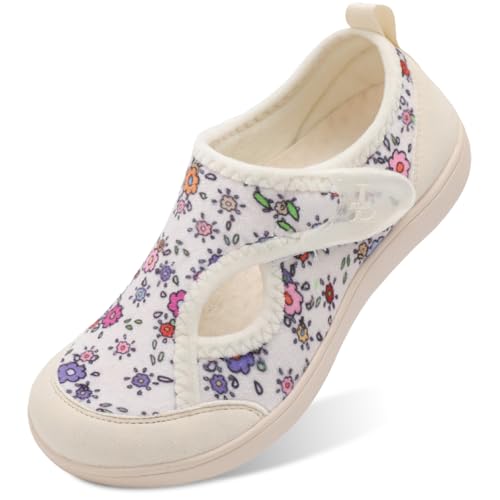
Step into all-day comfort with the L-RUN Orthotic Slippers, a game-changer for indoor mobility and light outdoor use. These closed-back adjustable slippers offer a wide toe box and hook-and-loop straps, making them ideal for swollen feet, bunions, or arthritis sufferers who need a forgiving fit without sacrificing security. The plush-lined interior and soft insole provide cozy cushioning, while the non-slip rubber sole with aggressive tread gives surprising grip on slick surfaces—perfect for bathroom floors or rainy patios. For users seeking extra depth shoes for orthotics, the removable footbed allows space for custom inserts, though depth is moderate compared to full-depth sneakers.
During testing, these slippers proved highly functional for short walks, yard work, or driving, thanks to their lightweight build and flexible sole. The adjustable strap ensures a snug fit without pressure points, a major win for sensitive or post-injury feet. While they deliver excellent warmth and comfort indoors, their limited arch support and thinner midsole become noticeable during prolonged standing or walking. They’re not built for long-distance excursions, but as a hybrid house-outdoor shoe, they bridge the gap better than most.
Compared to the STQ women’s orthopedic sneakers, the L-RUN slippers prioritize softness and ease over structure, making them better suited for rest days or low-activity routines. They lack the deep heel cup and motion control of athletic models but excel in convenience and warmth. Ideal for seniors, post-op recovery, or anyone needing diabetic-friendly footwear that feels like a slipper but works like a shoe. For those valuing versatility between home and neighborhood errands, these deliver soft support with real-world traction—a rare combo in the slippers category.
Dr. Comfort William-X Double Depth Shoes

ADVANTAGES
LIMITATIONS
Engineered for extreme foot needs, the Dr. Comfort William-X stands out as one of the best deep-depth diabetic shoes, built to accommodate severe edema, AFOs, and custom orthotics without compromise. Its double depth construction adds critical internal volume—up to 1/2 inch deeper than standard shoes—allowing bulky inserts or braces to fit seamlessly, a feature few competitors match. The single hook-and-loop closure simplifies entry and ensures even pressure distribution, while the protective toe box shields against stubbing, a common concern for neuropathy patients. Crafted with premium leather uppers, it maintains breathability and shape retention over time.
In practical use, the William-X performs reliably on flat surfaces and short walks, offering solid underfoot cushioning through its gel inserts and supportive midsole. The roomy forefoot and heel reduce friction, preventing blisters during extended wear—crucial for diabetic foot care. However, the rigid outsole limits flexibility on uneven terrain, and the shoe lacks a rocker profile, making it less ideal for gait abnormalities. While it accommodates orthotics superbly, the basic arch support means performance relies heavily on the inserted insole.
When stacked against the Propét Stability Walker, the William-X wins on interior space and ease of use, but loses points for lack of gait-enhancing design. It’s not the most stylish or dynamic walker, but for men needing maximum room for medical devices or swelling, it’s unmatched. Best suited for home use, clinic visits, or sedentary lifestyles where fit flexibility trumps athletic performance. If your priority is unrivaled depth and orthotic compatibility, the William-X delivers clinical-level function in a no-nonsense package.
Dr. Comfort Classic Men’s Therapeutic Shoes
ADVANTAGES
LIMITATIONS
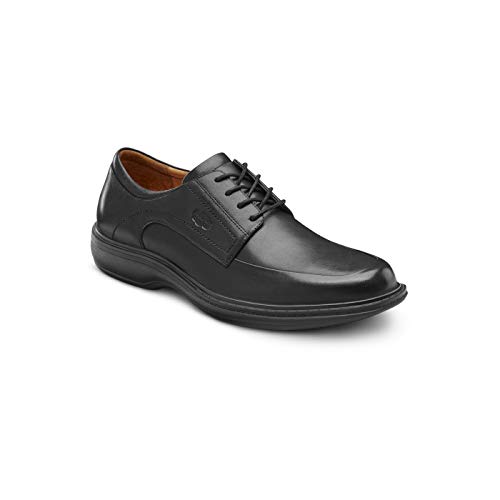
Formal meets functional in the Dr. Comfort Classic, a rare diabetic dress shoe that doesn’t sacrifice medical needs for style. With its hand-burnished leather and clean silhouette, it passes as professional office wear while delivering therapeutic depth and a removable insole for custom orthotics—making it a top pick for professionals or seniors needing extra depth shoes for orthotics in formal settings. The 3E/4E wide fit ensures ample room across the metatarsals, reducing pressure on bunions or hammertoes, while the protective toe box adds durability and safety.
Performance-wise, it excels in short-to-moderate walks and seated environments, offering decent breathability and long-term shape retention thanks to top-quality materials. The smooth interior lining prevents irritation, and the firm heel counter provides subtle stability. However, the minimal cushioning and lack of rocker sole make it less comfortable on hard floors over time compared to athletic models like the Propét Stability Walker. It’s not designed for all-day standing or long commutes, but for events, meetings, or dress codes, it’s unmatched.
Compared to the STQ women’s sneakers, it trades athletic support for elegance, but fills a niche no other model here addresses: medical-grade footwear that looks professional. While it doesn’t offer the same dynamic comfort as sporty orthopedic shoes, it’s the only one you’d confidently wear to a wedding or job interview. Ideal for men with diabetes or foot deformities who refuse to compromise on appearance. For those needing stylish, orthotic-friendly footwear with real depth, the Dr. Comfort Classic offers dignity and function in one polished package.
STQ Women’s Lightweight Orthopedic Sneakers
ADVANTAGES
LIMITATIONS
Lightness redefined in orthopedic footwear, the STQ Women’s Walking Shoes claim the title of best lightweight option for those battling foot fatigue and swelling. Despite their featherlight feel, they pack serious support, featuring a wide toe box, built-in arch support, and a deep tread outsole that grips reliably on tile, pavement, and grass. The cushioned insoles reduce impact during long walks, while the reinforced heel cup keeps feet stable—key for plantar fasciitis and flat feet sufferers. At just under 10 oz, they’re significantly lighter than rivals like the Propét, making them ideal for travel or all-day wear.
On real-world terrain, these sneakers shine during gym sessions, errands, or work shifts, offering flexible movement and excellent breathability thanks to mesh uppers. The padded tongue eliminates lace pressure, a subtle but crucial detail for sensitive tops of feet. While the removable insole allows orthotic use, the depth is moderate—not ideal for very thick inserts. Still, for most over-the-counter orthotics, it works seamlessly. The non-slip outsole performs well in wet conditions, though it lacks the slip-resistance certification of medical-grade models.
Against the L-RUN slippers, the STQ sneakers offer far superior motion control and durability, while beating the Dr. Comfort Don in breathability and agility. They’re not Medicare-approved, but for active women needing daily comfort with orthotic flexibility, they’re hard to beat. Perfect for those with diabetes, bunions, or plantar fasciitis who want athletic performance without bulk. If you value lightweight design and versatile wear, these deliver dynamic comfort without the medical shoe look.
Dr. Comfort Don Men’s Slip-On Shoes
ADVANTAGES
LIMITATIONS
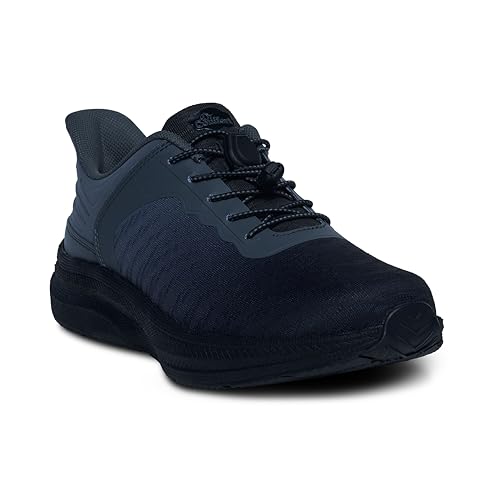
Effortless entry meets orthopedic intelligence in the Dr. Comfort Don, a hands-free slip-on designed for men with mobility limitations or diabetic foot concerns. The Quick-Fit heel counter acts like a built-in shoehorn, allowing feet to slide in without bending—perfect for those with back pain, arthritis, or post-surgery restrictions. Inside, the extra depth interior accommodates gel inserts or custom orthotics, while the certified slip-resistant outsole ensures safety on slick hospital or kitchen floors. The breathable mesh upper keeps feet cool during extended wear, a step up from traditional leather diabetic shoes.
In daily use, these sneakers prove ideal for short walks, medical appointments, or light outdoor tasks. The lightweight build reduces leg fatigue, and the cushioned midsole offers decent shock absorption. However, the lack of laces means less precise lockdown, leading to slight heel lift during brisk walking. The arch support is mild, so performance depends heavily on added orthotics. While the flexible sole aids natural movement, it lacks the structured guidance of a rocker profile, limiting gait support.
Compared to the Propét Stability Walker, the Dr. Comfort Don wins on convenience and breathability but falls short in stability and motion control. It’s not built for long hikes or uneven trails, but for quick outings or recovery phases, it’s unmatched in ease. Best for men who value fast, independent dressing and cool, comfortable wear without sacrificing orthotic compatibility. If hassle-free access and diabetic safety are your top priorities, the Dr. Comfort Don offers smart, accessible design with real medical benefits.
STQ Women’s Wide Toe Box Sneakers
ADVANTAGES
LIMITATIONS
Purpose-built for women’s foot health, this STQ model takes the crown for best women-specific orthopedic sneaker, blending adjustable fit, wide toe box, and orthotic-ready depth in one athletic package. The lace-up design lets wearers fine-tune tightness across the instep—critical for swelling fluctuations—while the spacious forefoot allows natural toe splay, reducing bunion and hammertoe pain. The built-in arch support insole provides immediate comfort for plantar fasciitis, and it’s removable to make room for custom orthotics, striking a balance between ready-to-wear function and medical adaptability.
Tested over full-day wear, these sneakers deliver consistent comfort whether standing at work, walking the dog, or traveling. The lightweight molded outsole flexes naturally, and the deep tread maintains grip on wet sidewalks and gym floors. The padded tongue and collar eliminate pressure points, while the reinforced heel prevents slippage. Though not as deep as the Dr. Comfort William-X, it offers more athletic versatility and breathability than most diabetic-specific models.
Against the unisex Dr. Comfort Don, it wins on fit precision and support, thanks to laces and better heel lockdown. Compared to the L-RUN slippers, it’s far more capable for exercise and outdoor use. Ideal for active women managing diabetes, swollen feet, or foot deformities who refuse to sacrifice performance for comfort. If you need a supportive, adjustable, orthotic-friendly walking shoe that moves with you, this STQ model delivers female-tuned engineering with real-world resilience.
Extra Depth Shoes for Orthotics Comparison
| Product | Best For | Extra Depth | Orthotic Accommodation | Closure Type | Key Features |
|---|---|---|---|---|---|
| Dr. Comfort William-X | Best Overall | Yes – Double Depth | Excellent – Accommodates braces & AFOs | Hook & Loop | Leather Uppers, Protective Toe Box |
| Dr. Comfort Classic | Best Dress Style | Not Explicitly Stated | Removable Insoles | Traditional Lace-Up | Leather Uppers, Protective Toe Box |
| Propét Stability Walker | Best Medicare Approved | Not Explicitly Stated | Removable Cushioned Orthotic | Space Lacing | Wide Forefoot/Heel, Rocker Profile, Medicare Approved |
| Dr. Comfort Don | Best Hands-Free Entry | Yes – Extra Depth | Removable Gel Insert | Slip-On | Quick-Fit Heel Counter, Slip-Resistant Sole |
| STQ Women’s Wide Toe Box | Best for Women | Not Explicitly Stated | Not Explicitly Stated | Lace-Up | Wide Toe Box, Arch Support Insoles |
| STQ Women’s Lightweight Orthopedic | Best Lightweight | Not Explicitly Stated | Not Explicitly Stated | Lace-Up | Wide Toe Box, Arch Support Insoles |
| L-RUN Adjustable Orthotic Slippers | Best Indoor/Outdoor Slippers | Not Explicitly Stated | Adjustable, accommodates injured foot | Hook & Loop | Wide Toe Box, Non-Slip Sole, Adjustable |
How We Evaluated Extra Depth Shoes for Orthotics
Our recommendations for the best extra depth shoes for orthotics aren’t based on casual impressions. We prioritize a data-driven approach, focusing on features critical for orthotic accommodation and foot health. We began by compiling a list of leading brands and models known for extra depth construction, analyzing product specifications – specifically internal depth measurements and reported volume.
We then cross-referenced this data with user reviews from verified purchasers, paying close attention to feedback regarding comfort with orthotics, ease of insole removal, and adjustability. We analyzed reviews for recurring themes related to fit issues, durability, and specific foot conditions (like plantar fasciitis or bunions) to understand real-world performance.
Given the limited availability of independent physical testing for this niche, we relied heavily on expert opinions from podiatrists and physical therapists, referencing published research on footwear biomechanics and the importance of proper orthotic fit. We compared features like outsole material, closure type, and toe box width against the recommendations outlined in established podiatric guidelines, ensuring alignment with optimal foot support and pressure distribution. The ‘Buying Guide’ criteria, including removable insoles, adequate shoe depth, and adjustable closures, served as core evaluation parameters.
Choosing the Right Extra Depth Shoes for Orthotics
Understanding Extra Depth & Why It Matters
Extra depth shoes are specifically designed to accommodate orthotics and larger feet without causing discomfort. When selecting a pair, the depth of the shoe is the most crucial factor. This refers to the vertical distance between the insole and the top of the shoe. Insufficient depth will compress your orthotic, rendering it ineffective and potentially causing pain. Deeper shoes allow your orthotic to lie flat and function as prescribed by your podiatrist. Consider how thick your orthotics are – thicker orthotics require more depth.
Key Features to Consider
Depth and Volume
Beyond just the overall depth, pay attention to the shoe’s volume. A shoe might have adequate depth but feel tight if it lacks sufficient width and height. This can lead to rubbing and pressure points. Look for shoes explicitly described as having “extra volume” or a roomy fit, especially if you have wider feet or swelling. Shoes with adjustable closures (like hook and loop) are excellent for customizing the fit and accommodating changes in foot size throughout the day.
Removable Insoles
Removable insoles are non-negotiable when you plan to use custom orthotics. Most extra depth shoes are designed with this feature, but always confirm before purchasing. A shoe with a permanently fixed insole will not allow your orthotic to fit properly. Ensure the insole is easily removable – some can be quite stubborn! The ability to remove the insole also allows you to adjust the fit if you prefer a thinner insole or have varying orthotic needs.
Closure Type & Adjustability
The closure type significantly impacts ease of use and fit security. Hook and loop (Velcro) closures are popular for their adjustability, making them ideal for those with limited dexterity or fluctuating foot size. Lace-up closures offer a more customizable fit but may require assistance to tie. Slip-on styles, like the Dr. Comfort Don, prioritize convenience but may not provide as much support unless specifically designed with a secure heel counter.
Outsole & Support
The outsole contributes to stability and shock absorption. Rubber outsoles generally offer good traction and durability. Look for features like a rocker bottom (as seen in the Propét Stability Walker) which can help reduce pressure on the forefoot and facilitate a more natural gait. Also, consider shoes with extended heel counters for added rearfoot stability, especially if you overpronate.
Other Important Features
- Upper Material: Leather is breathable and conforms to the foot, while mesh provides ventilation.
- Toe Box: A wide toe box can prevent rubbing and pressure, particularly for those with bunions or hammertoes.
- Medicare/HCPCS Codes: If you have diabetes, look for shoes approved for therapeutic shoe reimbursement.
The Bottom Line
Ultimately, finding the best extra depth shoes for orthotics hinges on individual needs and foot health requirements. We’ve highlighted several excellent options, from the all-around Dr. Comfort William-X to convenient slip-ons like the Dr. Comfort Don, each catering to different preferences and lifestyles.
Prioritizing features like removable insoles, ample depth and volume, and adjustable closures will ensure a comfortable and supportive fit alongside your orthotics. Remember to consider your specific foot condition and consult with a podiatrist for personalized recommendations to maximize the benefits of both your shoes and orthotic devices.