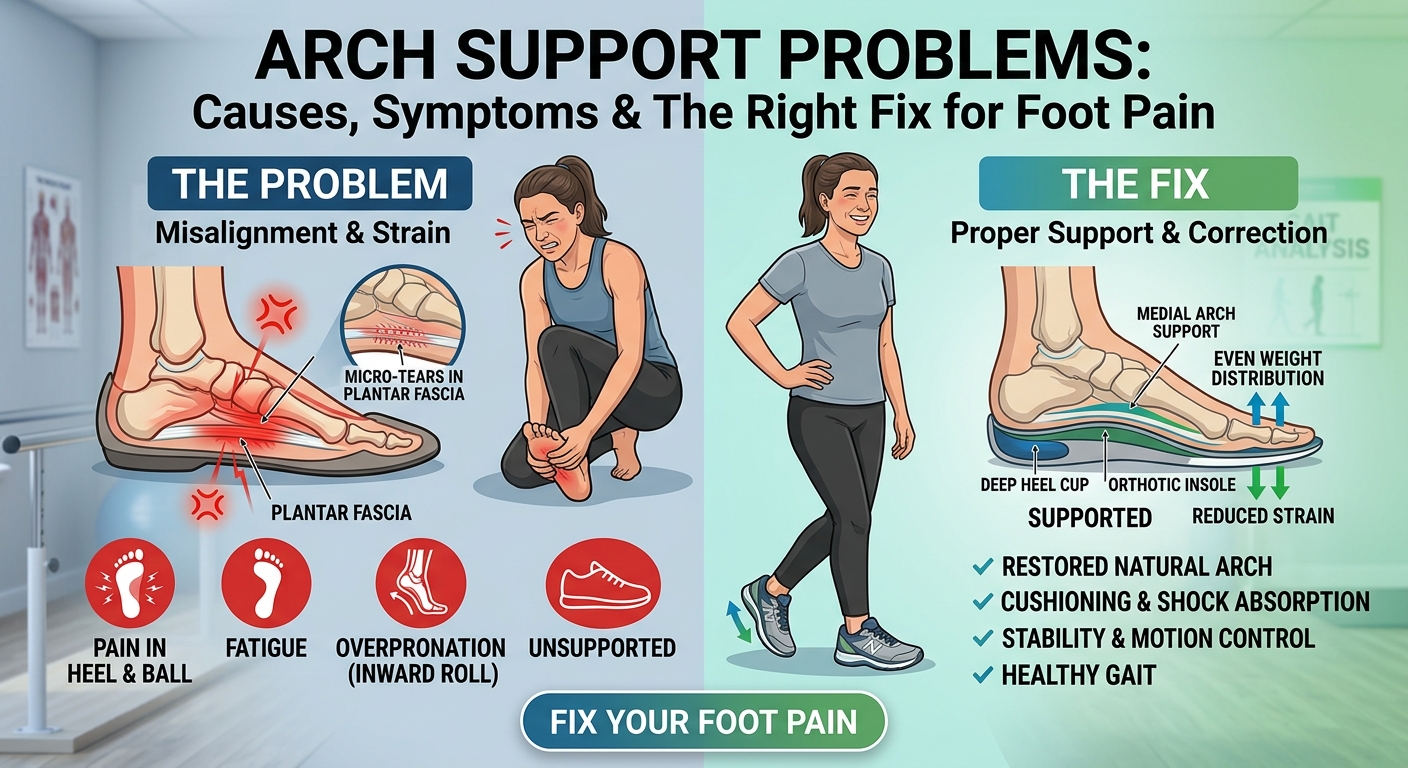





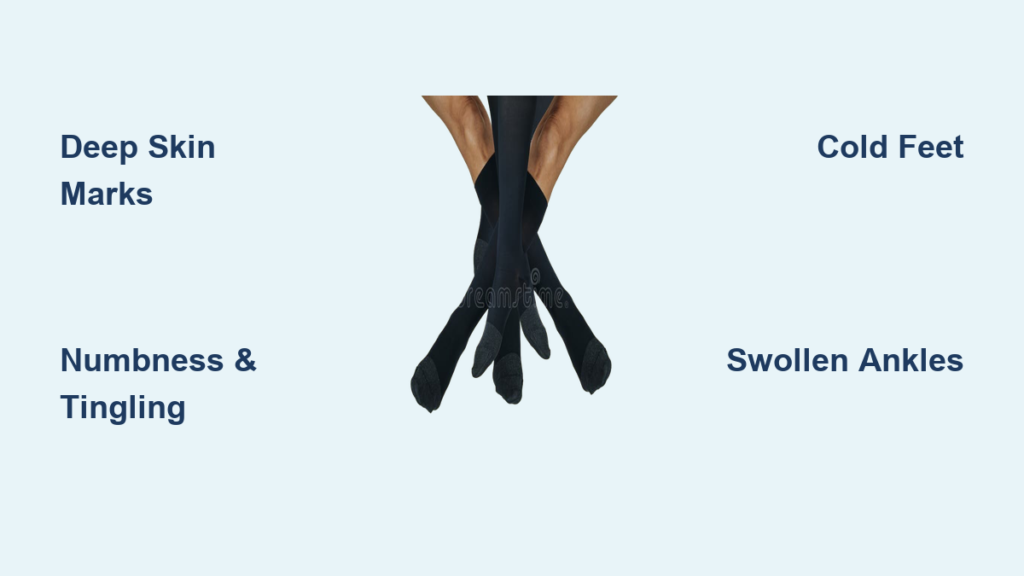
Tight socks might seem like a small comfort choice—snug, secure, and unlikely to slip—but that tight fit could be quietly sabotaging your foot health. When socks squeeze too hard around the ankle, calf, or toes, they don’t just feel uncomfortable; they actively disrupt blood flow. Restricted circulation means less oxygen reaches your feet, waste products build up, and swelling, numbness, and long-term damage can follow. For people with diabetes, peripheral artery disease (PAD), or venous insufficiency, the risks are even greater—tight socks can accelerate serious complications like ulcers, infections, and nerve damage.
The warning signs often start subtly. You might notice a deep groove around your ankle at the end of the day, or your toes may go cold or tingle after hours on your feet. These aren’t just minor annoyances—they’re your body’s way of signaling that blood, nerves, and lymphatic flow are being compromised. Over time, chronic compression from tight socks can mimic or worsen medical conditions, leading to avoidable pain and long-term consequences. Even healthy individuals can suffer from blisters, poor balance, or toe deformities due to restrictive sock design.
In this guide, you’ll learn exactly how tight socks impair circulation, how to spot the red flags, who’s most at risk, and—most importantly—how to choose socks that support, not harm, your foot health.
Deep Marks Mean Poor Circulation
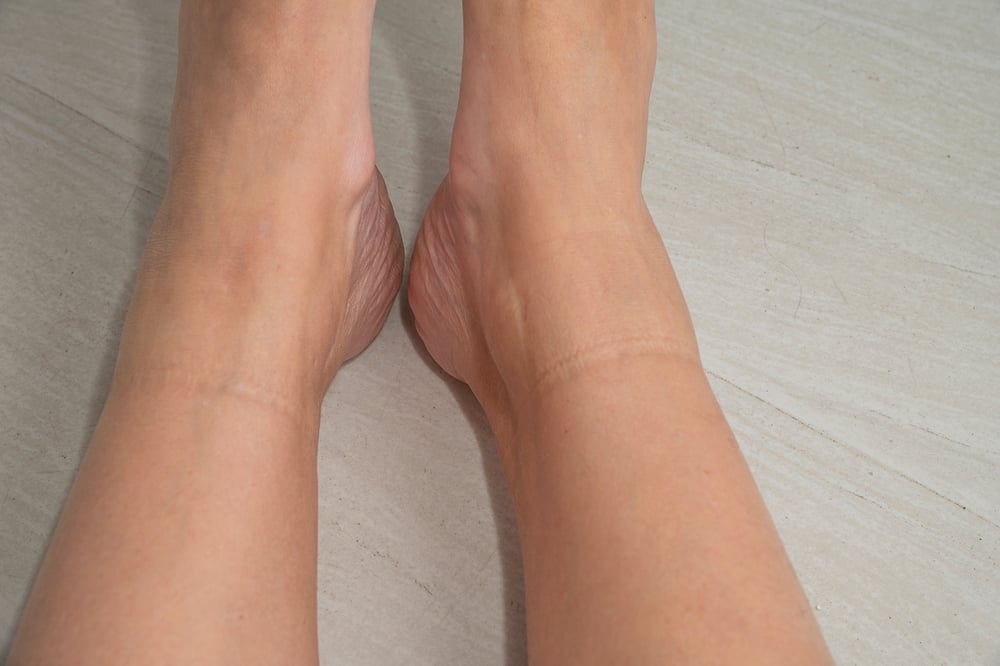
If your socks leave visible indentations on your skin, especially around the ankle or calf, it’s not normal—it’s a sign of excessive pressure. These grooves show that the sock cuff is compressing soft tissue, potentially restricting blood vessels and lymphatic channels.
Check Skin After Removing Socks
Inspect your legs daily. A faint line that disappears in seconds is usually harmless. But deep, persistent marks—especially those lasting minutes or hours—indicate chronic compression. This kind of pressure can:
- Reduce arterial inflow, starving your feet of oxygen
- Slow venous return, leading to blood pooling and swelling
- Impair lymphatic drainage, increasing fluid buildup
These effects are more than cosmetic. Persistent indentation may also signal underlying edema, particularly if one leg swells more than the other. This asymmetry should never be ignored.
When Marks Become a Medical Red Flag
Recurring grooves are a warning sign. In people with diabetes or venous insufficiency, this level of compression increases the risk of skin breakdown and ulcers. If you experience numbness, tingling, or pain along with visible marks, stop wearing those socks immediately. Consider switching to non-binding, seamless options designed for circulation safety.
Pro Tip: Take a photo of your skin after removing socks. Tracking changes over time helps identify worsening compression.
Numbness and Tingling: Nerve Warning Signs
Tight socks don’t just squeeze blood vessels—they compress nerves, too. The result? That familiar “pins and needles” sensation in your toes or soles.
Compression Causes Temporary Neuropathy
When pressure builds around the lower leg or foot, it reduces oxygen delivery to peripheral nerves. This leads to:
- Tingling in toes
- Burning sensations in the sole
- Numbness that worsens with prolonged wear
These symptoms often fade once the sock is removed, but repeated episodes can lead to chronic nerve irritation. Over time, this may contribute to long-term sensory dysfunction.
Who’s Most Vulnerable?
People with pre-existing neuropathy—especially from diabetes—are at the highest risk. Reduced sensation means they may not notice pressure until damage occurs. A sock that feels “snug” to them could already be cutting off circulation or creating friction points.
Expert Note: “When sensation is reduced, it’s possible to keep wearing a sock that’s quietly damaging the skin.” (Article 6)
Swelling and Cold Feet: Circulation Breakdown
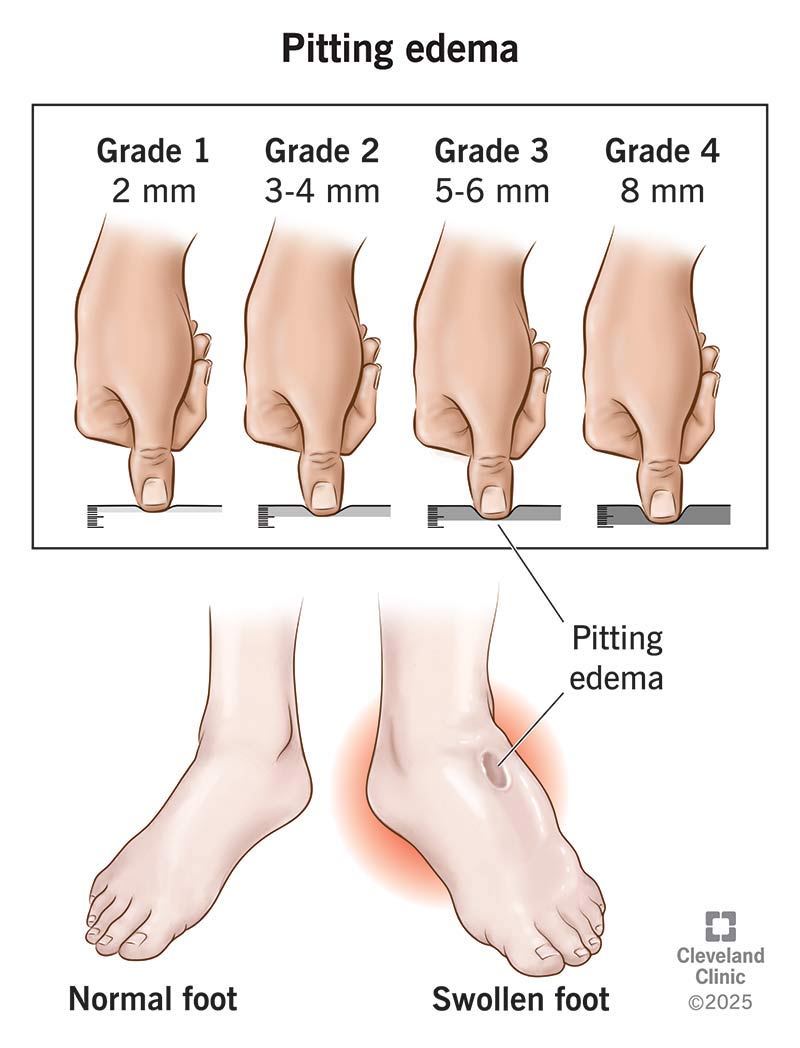
Two of the clearest signs of impaired circulation are swollen ankles and cold toes. Both reveal disrupted blood and fluid dynamics caused by tight socks.
Pitting Edema: Test for Fluid Buildup
Press your finger into the skin just above the ankle. If an indentation remains for several seconds, you have pitting edema—a clinical sign of fluid accumulation due to poor venous or lymphatic return.
Tight socks worsen this by:
– Blocking venous outflow
– Trapping fluid in the lower legs
– Aggravating swelling from prolonged standing or sitting
Why Toes Turn Cold
Healthy circulation keeps feet warm. When tight socks compress arteries like the posterior tibial or dorsalis pedis, blood flow drops. Without enough oxygen-rich blood, feet lose heat and feel cold—even in warm environments.
Clinical Insight: Reduced blood flow may lead to pain during walking that only eases when you rest—a symptom often mistaken for PAD. (Article 2)
Long-Term Risks of Tight Sock Wear
Wearing constrictive socks daily isn’t just uncomfortable—it can lead to progressive, irreversible damage.
Venous Insufficiency Develops Faster
Tight cuffs interfere with the calf muscle pump, which normally helps push blood back to the heart. Over time, this contributes to:
- Chronic leg swelling
- Varicose veins
- Skin discoloration
- Increased risk of venous ulcers
Even non-medical compression hosiery worn too tightly can cause harm instead of help.
Diabetics Face Higher Ulcer Risk
For people with diabetes, tight socks are a silent threat. Poor circulation + nerve damage = high risk of unnoticed injuries. A sock seam or band can rub the skin for hours without detection, leading to sores that won’t heal.
Warning: “Small problems can become bigger ones when healing is slow or feeling is dulled.” (Article 6)
PAD Symptoms May Worsen
Those with peripheral arterial disease already have narrowed arteries. Adding external pressure from tight socks further reduces perfusion, potentially triggering claudication or delaying recovery after activity.
Toe Deformities Linked to Tight Toe Boxes
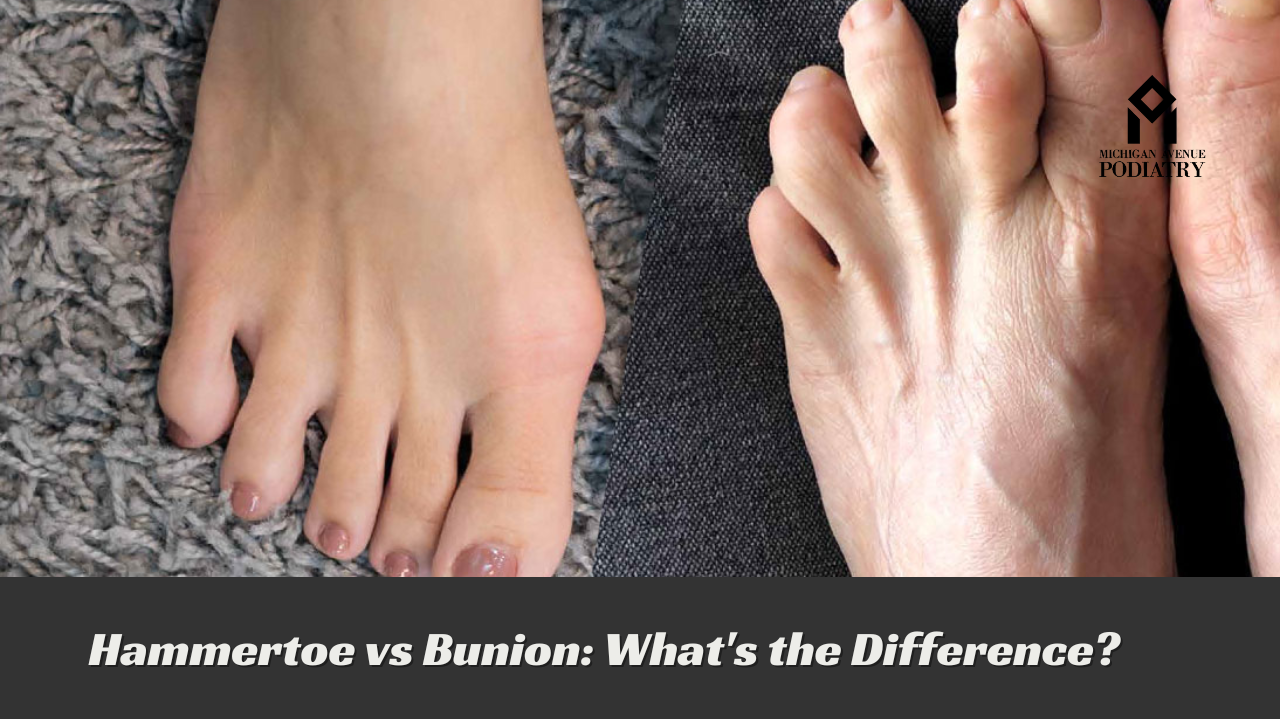
Most socks taper at the front, forcing toes together. This isn’t natural—and it’s harmful over time.
Natural Toe Splay Prevents Foot Problems
Your toes are designed to spread when you stand or walk. This improves balance, shock absorption, and foot strength. But tight toe boxes prevent splay, leading to:
- Weakened intrinsic foot muscles
- Altered gait mechanics
- Increased pressure on joints
Conditions Made Worse by Sock Design
Chronic toe compression contributes to:
– Bunions (hallux valgus) – Misalignment from sideways pressure
– Hammertoes – Contractures from cramped positions
– Corns and calluses – Friction and excess pressure on bony areas
Biomechanical Fact: “Toe splay improves balance, stability, shock absorption, and intrinsic muscle activation.” (Article 3)
How to Choose Circulation-Safe Socks
The right sock supports foot health without restriction. Focus on fit, fabric, and design—not just style or price.
Look for These Key Features
| Feature | Why It Matters |
|---|---|
| Non-binding cuffs | Wide, stretchy tops prevent ankle compression |
| Seamless or flat seams | Eliminates friction points, especially over toes |
| Moisture-wicking fabric | Keeps feet dry, reduces fungal risk (e.g., Merino wool, Coolmax®) |
| Avoid 100% cotton | Holds moisture; promotes bacteria and odor |
| Wide toe box | Allows natural toe spacing; prevents crowding |
| Breathable material | Prevents overheating and sweat buildup |
Size Right: Snug ≠ Tight
A proper fit feels secure without stretching. Measure your foot length and calf circumference if unsure. Remember: socks shrink over time—replace them every 6–12 months.
Podiatrist Tip: “Replace socks regularly. Worn-out elasticity increases friction and pressure.” (Article 4)
Best Socks for High-Risk Groups
Certain individuals need specialized socks to protect their feet.
Diabetic Socks: Designed for Safety
These are not luxury items—they’re medical necessities for many. Features include:
– Seamless construction
– Non-elastic or gentle-top cuffs
– Light padding for protection
– White interior to spot drainage or blood
Clinical Advice: “Look for diabetic socks… these promote better blood flow and reduce pressure points.” (Article 2)
Medical Compression Socks: Use With Caution
Graduated compression socks (tightest at the ankle, looser up the leg) help people with venous insufficiency. But:
– Must be prescribed and fitted by a healthcare provider
– Over-the-counter versions can be harmful if too tight
– Never wear without diagnosis—improper use restricts circulation
Warning: “Avoid OTC compression socks with tight bands. Consult a provider for proper fitting.” (Article 2)
Toe Socks and Barefoot-Style Designs
Socks like All Day Stride Toe Socks separate each toe, allowing natural alignment and reducing friction. Benefits include:
– Improved proprioception
– Fewer blisters
– Better balance and foot strength
Daily Habits to Protect Foot Health
Even the best socks can’t compensate for poor habits. Follow these practices to maintain strong circulation.
Inspect and Rotate Your Socks
- Check for thinning fabric, holes, or lost elasticity
- Replace every 6–12 months
- Wash in cold water to prevent shrinkage
Wear Clean, Breathable Socks Daily
Change after exercise or heavy sweating. Opt for light-colored socks to easily spot moisture, blood, or discharge—especially important for diabetics.
Take Sock Breaks
Remove socks periodically during long wear. Let your skin breathe and check for redness, swelling, or irritation.
Elevate Legs After Standing
Raise your feet above heart level for 10–15 minutes to reduce swelling and boost venous return.
Holistic Rule: “Even the best sock can’t overcome a restrictive shoe.” (Article 3) Pair circulation-safe socks with wide-toe-box, flexible footwear.
When to See a Doctor
Some symptoms require professional evaluation—not just a sock change.
Seek Help If You Experience:
- Persistent numbness or tingling
- One leg significantly more swollen than the other
- Skin discoloration (pale, blue, blotchy)
- Open sores or ulcers
- Pain when walking that improves with rest
Recommended Specialists
- Podiatrist: For foot deformities, diabetic care, or persistent discomfort
- Vascular specialist: For suspected PAD or venous disease
- Primary care provider: For overall assessment and referrals
Final Advice: “Most ankle marks are harmless, but persistent swelling or numbness is a sign to stop guessing and get a real evaluation.” – Dr. Alex Yanovskiy, DPM (Article 6)
Final Note: Your socks should support your feet—not strangle them. Tight socks impair circulation, damage nerves, and increase the risk of long-term complications, especially in vulnerable populations. By choosing non-restrictive, well-fitting socks made from breathable, moisture-wicking materials, you protect your foot health and enhance comfort. Pay attention to skin marks, temperature changes, and sensory feedback—they’re your body’s way of sounding the alarm. When in doubt, switch to diabetic-friendly or medically appropriate designs, and consult a foot or vascular specialist for personalized guidance.