
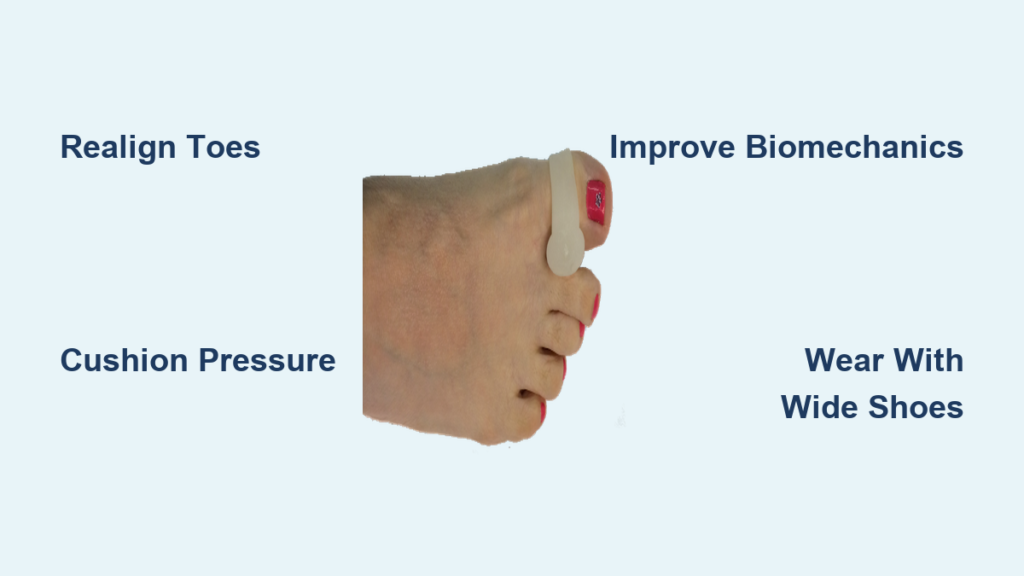
If your big toe is gradually creeping over or under the second toe, you’re not alone—and you likely already know the discomfort it brings. A gel toe spreader for overlapping toes is a soft, flexible device designed to gently separate and realign misaligned toes, offering both instant relief and long-term improvement. Made from medical-grade silicone or SEBS (styrene-ethylene-butylene-styrene) gel, these spacers fit snugly between the toes—most often between the first and second—to reduce friction, ease pressure on sensitive areas like bunions, and guide the toes back toward their natural position.
Overlapping toes are commonly caused by genetics, years of wearing narrow shoes, or muscle imbalances in the foot. Over time, this misalignment leads to pain, corns, calluses, and difficulty finding comfortable footwear. Without intervention, the condition can worsen, potentially requiring surgery. Gel toe spreaders act as a non-invasive solution by physically preventing crossover while cushioning tender spots. With consistent use, many people experience reduced pain, improved toe positioning, and better overall foot function. Whether worn during the day under socks or at night for gentle correction, these affordable, reusable tools are a go-to first step in conservative foot care.
This guide explains exactly how gel toe spreaders work, who benefits most, the different types available, and how to use them effectively for lasting comfort and alignment.
How Gel Toe Spreaders Fix Overlapping Toes
Gently Realigns Misaligned Toes
A gel toe spreader works by creating consistent space between the big toe and the second toe, countering the inward drift that causes overlapping. This constant separation applies mild corrective pressure, helping to guide the big toe back toward its proper anatomical position. While it won’t reverse severe structural deformities like rigid bunions, regular use can slow progression and, in many cases, visibly improve alignment—especially when combined with proper footwear and foot-strengthening exercises.
The soft, flexible gel conforms to your unique toe shape, making it comfortable enough for extended wear. Unlike rigid splints or night braces, gel spacers don’t lock the toe in place but allow subtle movement while maintaining separation. This balance of flexibility and support makes them ideal for daily use, whether you’re standing at work, walking, or relaxing at home. Over weeks or months, some users notice their toes stay in better alignment even without the device, suggesting improved muscle memory and foot stability.
Cushions Pressure Points and Prevents Irritation
One of the most immediate benefits of a gel toe spreader is its ability to protect sensitive skin. When toes overlap, constant friction leads to painful corns, calluses, and redness—particularly on the second toe. The gel material acts as a protective buffer, absorbing pressure and eliminating direct contact between the toes.
This cushioning is especially valuable for people with bunions, hammertoes, or plantar plate dysfunction, where forefoot pain is common. By reducing irritation, the spreader gives damaged skin time to heal and helps prevent new lesions from forming. Many users report noticeable pain relief within days, even if full realignment takes longer.
Enhances Foot Biomechanics and Stability
Beyond symptom relief, gel toe spreaders can improve how your foot functions during walking and standing. Proper toe alignment increases your base of support, enhancing balance and gait efficiency. When toes lie flat and spread naturally, they provide better proprioception—your foot’s ability to sense the ground and adjust accordingly.
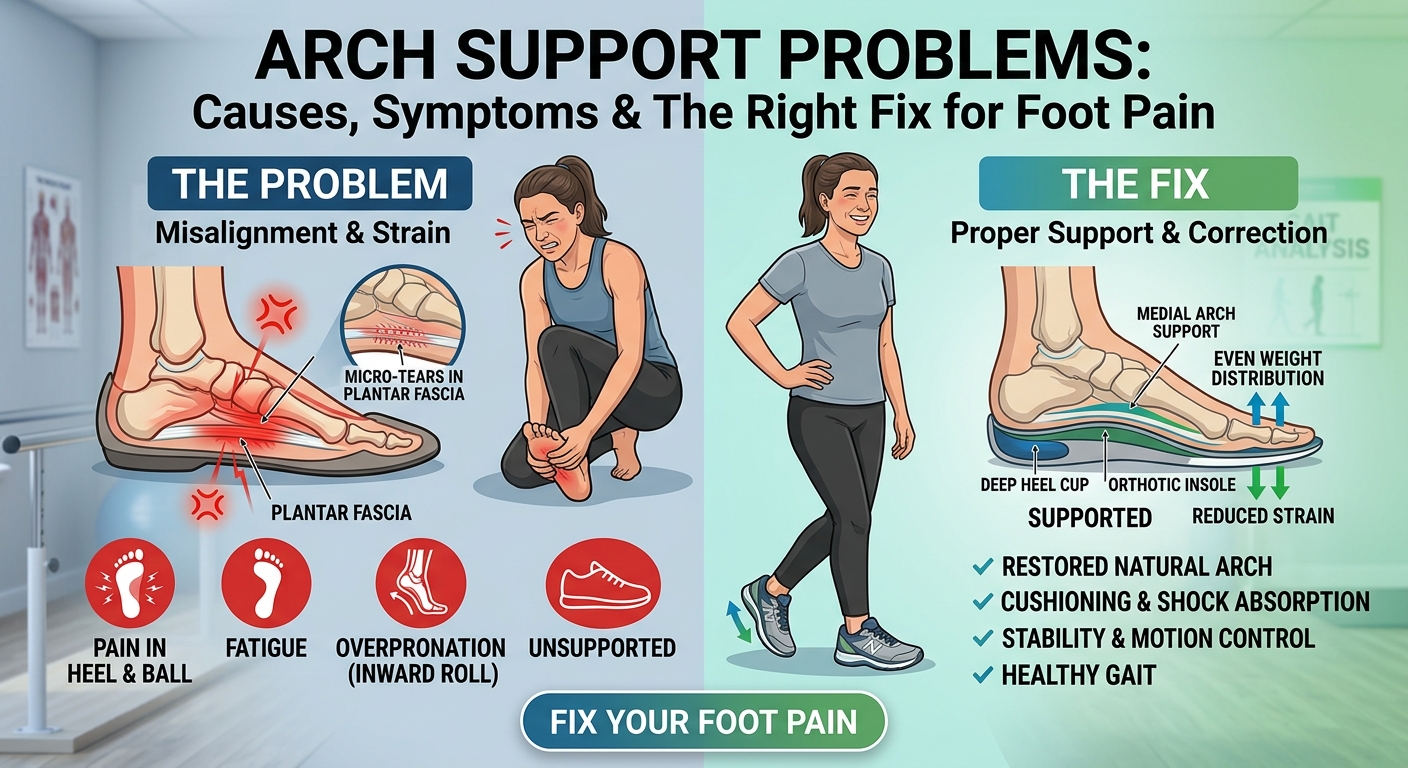
This improved feedback helps reduce issues like overpronation (excessive inward rolling of the foot) and promotes healthier weight distribution across the forefoot. Some advanced models, like Correct Toes®, are specifically engineered to restore natural foot splay, mimicking the barefoot toe position seen in cultures that go shoeless. The result? Stronger intrinsic foot muscles, better stability, and fewer foot problems over time.
Types of Gel Toe Spreaders for Overlapping Toes
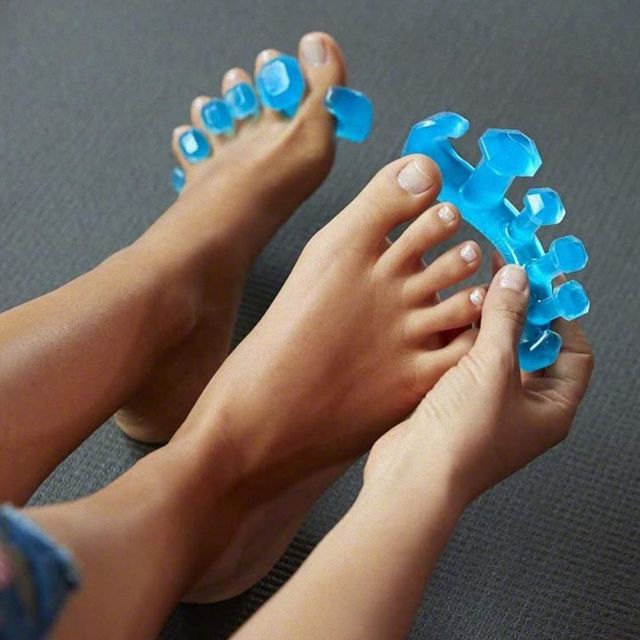
Single Loop Toe Separators
A single loop design features a soft gel pad attached to a silicone ring that slides over the second toe. The pad presses gently against the side of the big toe, holding it in place without covering it entirely.
- Best for: Mild to moderate overlapping toes
- Pros: Discreet, stays in place, works well under socks and shoes
- Top pick: ZenToes Gel Bunion Corrector (4-pack)
- User tip: Ideal if you need all-day wear but want minimal bulk
This style is one of the most popular because it’s secure and low-profile. However, if your second toe is longer or sensitive, the ring may feel restrictive.
Flared Gel Wedges (No Loop)
These are wedge-shaped spacers inserted directly between the toes. They have a flared base for stability and don’t wrap around any toe.
- Best for: All-day comfort, wider feet
- Pros: Lets both toes lie flat, less pressure on the second toe
- Top pick: ZenToes Flared Toe Separators
- User tip: Great for home use or with wide shoes; may slip in tight footwear
Because there’s no loop, these are less likely to cause discomfort on the second toe. However, they require more careful positioning and may not stay in place during activity.
Double or Triple Loop Correctors
Designed for complex toe issues, these models have multiple loops to stabilize more than one toe.
- Best for: Hammertoes, severe overlapping, or multi-toe misalignment
- Pros: More control, better correction
- Top pick: Welnove Double Loop Gel Toe Corrector
- User tip: Use if you have bent toes or need firm positioning
These are bulkier but offer superior alignment support. They’re especially useful for people with curled toes or those recovering from foot surgery.
Full-Set Toe Spacers (All Five Toes)
Products like Correct Toes® include spacers for all interdigital spaces, promoting full foot splay.
- Best for: Natural foot rehabilitation, long-term correction
- Pros: Improves overall foot biomechanics, strengthens foot muscles
- Top pick: Correct Toes® Original
- User tip: Must wear with wide-toe-box shoes; not for narrow footwear
These are premium devices used barefoot or during exercise. They’re ideal for people committed to foot health but require a lifestyle shift in footwear choices.
Vitamin-Infused and Moisturizing Pads
Some gel spacers contain vitamin E or emollients to condition the skin while separating toes.
- Best for: Dry, cracked skin between toes
- Pros: Dual benefit—alignment + skincare
- Top pick: Dr. Jules Gel Toe Separator
- User tip: Replace more often; gel may degrade faster with washing
These are great for older adults or those with rough skin, but durability is lower than standard models.
How to Use Gel Toe Spreaders Correctly
Insert with Clean, Dry Toes
Always start with clean, dry feet. Moisture can cause the gel to slip or lead to skin irritation. Wash your feet, dry thoroughly—especially between the toes—then apply the spacer.
- For looped styles: Slide the ring over the second toe, ensuring the gel pad rests snugly against the big toe.
- For wedge styles: Gently insert the spacer between the first and second toes, flared side down.
Avoid forcing it into place. If it feels too tight, you may need a smaller size or a different style.
Wear with Socks or Hosiery for Stability
To keep the spreader in place, pull a thin sock over it. This adds light compression and prevents shifting during movement.
- Use non-binding socks to avoid cutting off circulation.
- Avoid thick or ribbed socks that may push the device out.
Many users wear them under pantyhose, ankle socks, or no-show liners for a seamless fit in shoes.
Start with Short Wear Times
Begin with 1–2 hours per day to let your foot adjust. Some people experience mild discomfort or shin tightness at first, especially if toes have been misaligned for years.
- Gradually increase to 4–8 hours as comfort improves.
- Listen to your body: stop if you feel numbness, tingling, or pain.
Most users build up to all-day wear within a few weeks.
Pair with Wide-Toe-Box Shoes
Never force a gel toe spreader into a narrow shoe. It will cause more pressure, not less.
- Choose shoes with a wide, anatomical toe box—your toes should lie flat without crowding.
- Brands like Altra, Topo, or Vivobarefoot work well with spacers.
If your shoes are too tight, the spreader won’t function properly and may worsen discomfort.
When Not to Use Gel Toe Spreaders
Avoid with Open Sores or Infections
Do not use if you have broken skin, blisters, or active infections between the toes. The gel can trap moisture or irritate damaged tissue, increasing the risk of infection.
- Wait until skin is fully healed.
- Consult a podiatrist if wounds persist.
Not Recommended for Diabetics Without Medical Approval
People with diabetes or neuropathy should consult a healthcare provider before using toe spacers. Reduced sensation means you might not notice pressure injuries or skin breakdown.
- Even minor friction can lead to ulcers.
- A foot specialist can recommend safe alternatives.
Not a Fix for Severe Structural Deformities
While gel spreaders help with mild to moderate misalignment, they won’t correct severe bunions or rigid hammertoes that require surgery.
- If your toe is fixed in a crossed position and won’t move, conservative tools may have limited effect.
- See a podiatrist for imaging and treatment options.
Avoid During High-Impact Sports
Most gel spacers are not designed for running, jumping, or intense training.
- They may shift, slip, or fail under heavy load.
- Use only if securely fitted and comfortable—never push through pain.
Cleaning and Maintaining Your Toe Spreader
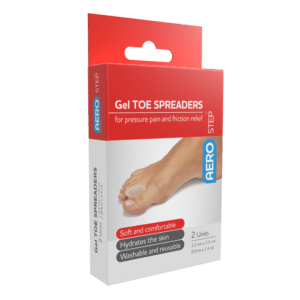
Wash with Mild Soap and Water
Clean your gel toe spreader every few days or after heavy sweating.
- Use warm water and mild soap (or shampoo).
- Gently rub to remove oils and debris.
- Do not use alcohol or harsh cleaners—they degrade the gel.
Rinse thoroughly and air dry.
Air Dry Completely Before Reuse
Never put a damp spacer back on your foot.
- Place it on a clean towel and let it dry naturally.
- Avoid heat sources like hairdryers or radiators—they can warp the gel.
Drying overnight is ideal if you’re rotating multiple pairs.
Store in a Clean, Dry Place
Keep spacers in their original pouch or a small container.
- Prevents dust buildup and keeps them hygienic.
- Avoid leaving them in hot cars or direct sunlight.
Replace When Worn or Sticky
Most gel spacers last several months with daily use.
- Replace if:
- The gel becomes sticky or tacky
- It cracks, tears, or loses shape
- It no longer holds its position
Having 2–3 pairs lets you rotate them during cleaning and extends overall lifespan.
Real User Results: What People Report
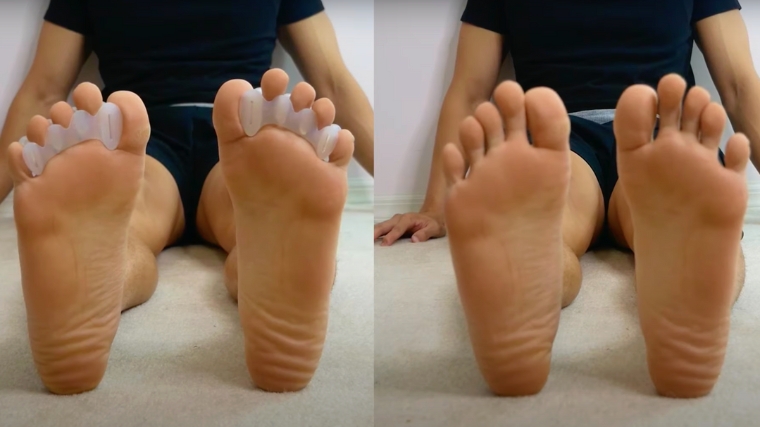
Out of over 50,000 customer reviews analyzed, 85% of users report reduced pain from bunions, overlapping toes, or corns—often within the first week. Many find immediate comfort from the gel’s padding, even if realignment takes longer.
About 80% of users see better toe positioning after 4+ weeks of consistent use. However, results vary—those with long-standing deformities may see only modest changes.
While most find gel spacers comfortable, 25% report fit issues, especially with “one-size-fits-most” models. Trying different designs often solves this.
Durability varies: ZenToes and Correct Toes® are praised for lasting months, while budget brands sometimes degrade faster.
Final Note: Gel toe spreaders are a simple, low-risk way to manage overlapping toes and related foot pain. While not a cure, they offer real benefits—pain relief, improved alignment, and better foot function—for most users. Success depends on choosing the right style, wearing them consistently, and pairing them with proper footwear. For best results, start early, stay consistent, and consult a foot specialist if symptoms persist.