




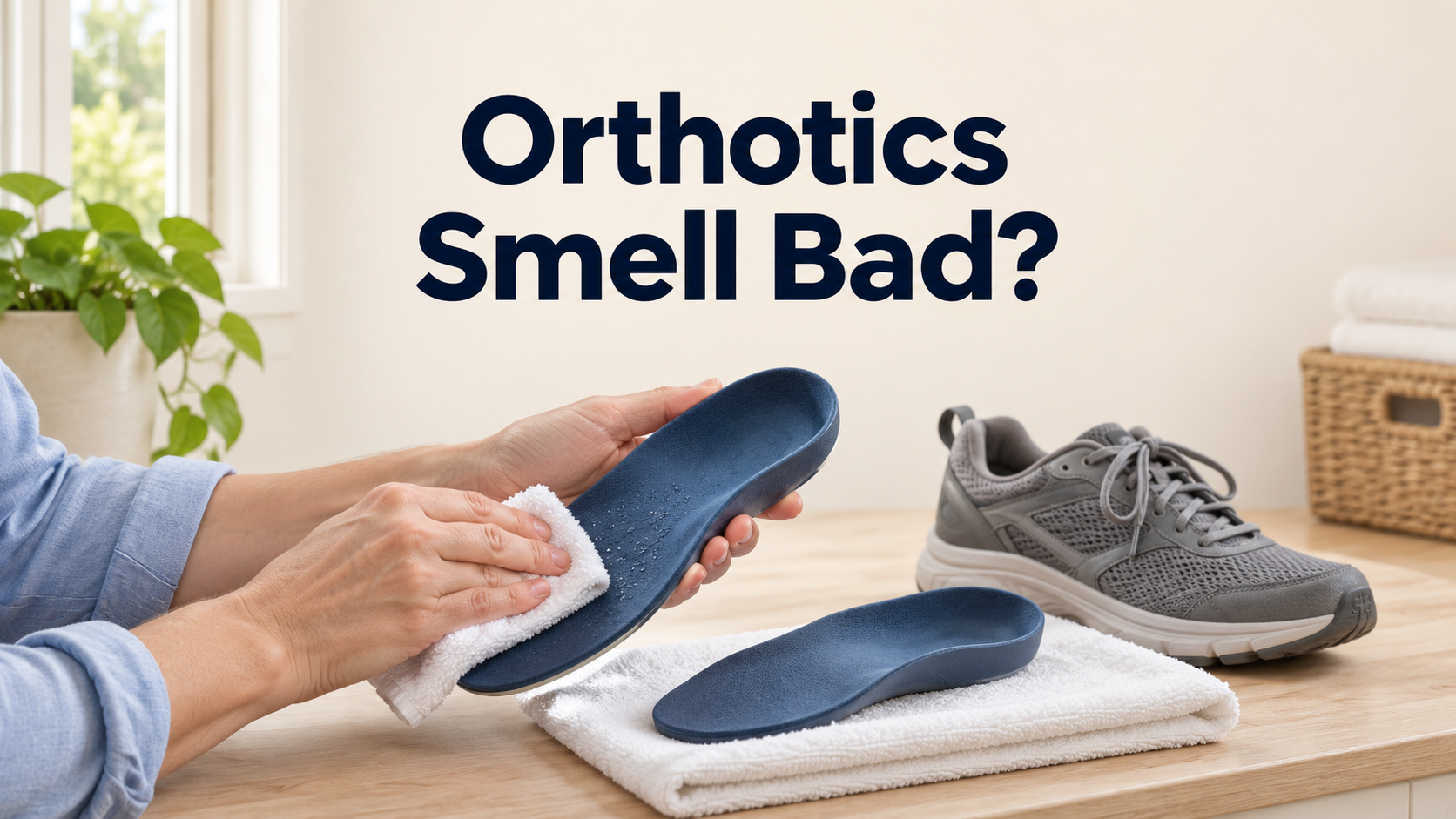
You take your shoes off at the end of the day and there it is: that unmistakable smell. When you pull out your insoles and realize the odor is coming from your orthotics, it can be embarrassing, frustrating and a little worrying. If you have ever asked yourself why do my orthotics smell so bad?, you are far from alone.
The good news is that smelly orthotics are very common and, in most cases, completely fixable. The odor is usually caused by a mix of sweat, trapped moisture and bacteria, and it can be tackled with the right cleaning routine and a few daily habits. In some cases, however, the smell is a sign that an insole has reached the end of its life, or that something else is going on with your feet.
This guide explains what causes the smell, how to clean and deodorize orthotics safely, which methods to avoid, how to prevent the odor from returning, and when it is time to replace them or see a professional.
Quick Takeaways
- Sweat on its own is nearly odorless. The smell appears when bacteria and fungus feed on sweat and dead skin in a warm, damp shoe.
- Foam, fabric, leather and cork covers can absorb moisture, which is why insoles hold odor so well.
- Wipe with mild soap and a damp cloth, deodorize with baking soda if needed, and air dry flat, away from heat.
- Do not machine wash, tumble dry, soak or heat orthotics. This can warp them and break down adhesives.
- Prevention is simple: rotate shoes, wear moisture-wicking socks, and dry your insoles after every wear.
- If the smell never goes away, or your feet are itchy, peeling or have pitted skin, get your feet checked.
Why Do Orthotics Smell Bad?
Your feet contain a huge number of sweat glands, and they can release a surprising amount of moisture over the course of a day. That sweat is mostly water and salts, and it does not smell much by itself. The problem starts when it meets the bacteria that naturally live on your skin. These microbes feed on sweat and dead skin cells and release smelly compounds as a by-product.
Shoes make this worse. A closed shoe is warm, dark and humid, which is a perfect breeding ground for microbes. Your orthotic sits right at the center of this environment, pressed against your skin for hours at a time, and many insole materials soak up moisture like a sponge. Once the odor works its way into the foam or cover, it can be hard to shift with a simple airing.
Common Causes of Smelly Orthotics
Several things can make odor worse. Most people find that more than one of these applies to them.
- Natural foot sweat: some people simply sweat more than others, and heat, stress, exercise and certain medications can add to it.
- Moisture-absorbing materials: open-cell foam, fabric, leather and cork covers can hold on to moisture and odor much longer than smooth, sealed surfaces.
- Non-breathable shoes: shoes made from plastic, rubber or tightly sealed synthetic materials trap heat and humidity.
- Wearing the same shoes every day: shoes and insoles need roughly a day to dry out completely, and they rarely get it when worn back to back.
- Socks that hold sweat: cotton socks soak up moisture and stay wet, while going sockless leaves sweat and skin cells straight on the insole.
- Infrequent cleaning: sweat and dead skin build up layer by layer, giving bacteria more to feed on.
- Foot conditions: athlete’s foot, other fungal infections, certain bacterial skin infections and excessive sweating (hyperhidrosis) can all cause strong foot odor.
- Poor storage: leaving orthotics in a gym bag, a car or a damp closet can lock in moisture and encourage mold and mildew.
- Aging materials: as foam and covers break down, they trap more sweat and become harder to clean.
Is Smelly Foot Odor Normal, or a Sign of a Problem?
A mild, sweaty smell that comes and goes is normal and usually easy to manage. A different story is odor that is very strong, appears suddenly, or does not improve after you clean your feet, shoes and orthotics properly. Persistent odor can sometimes be linked to a skin condition, such as:
- Athlete’s foot: a fungal infection that often causes itching, redness, peeling or cracked skin between the toes and on the soles.
- Pitted keratolysis: a bacterial skin condition on the soles that can cause small pits or a very strong smell, usually in people whose feet stay damp.
- Hyperhidrosis: excessive sweating that keeps feet and insoles constantly wet.
These conditions are common and treatable, but they are unlikely to disappear with insole cleaning alone. If your feet look or feel unusual, speak with a doctor, podiatrist or dermatologist.
How to Clean Smelly Orthotics, Step by Step
Before you start, check any care instructions from the maker or your provider. Custom orthotics, in particular, may have glued layers or special materials, so it is best to keep the cleaning gentle and the moisture to a minimum.
Step 1: Remove and Air Them Out
Take the orthotics out of your shoes as soon as you can after wearing them. Let both the insoles and the shoes air out for a few minutes before you start cleaning.
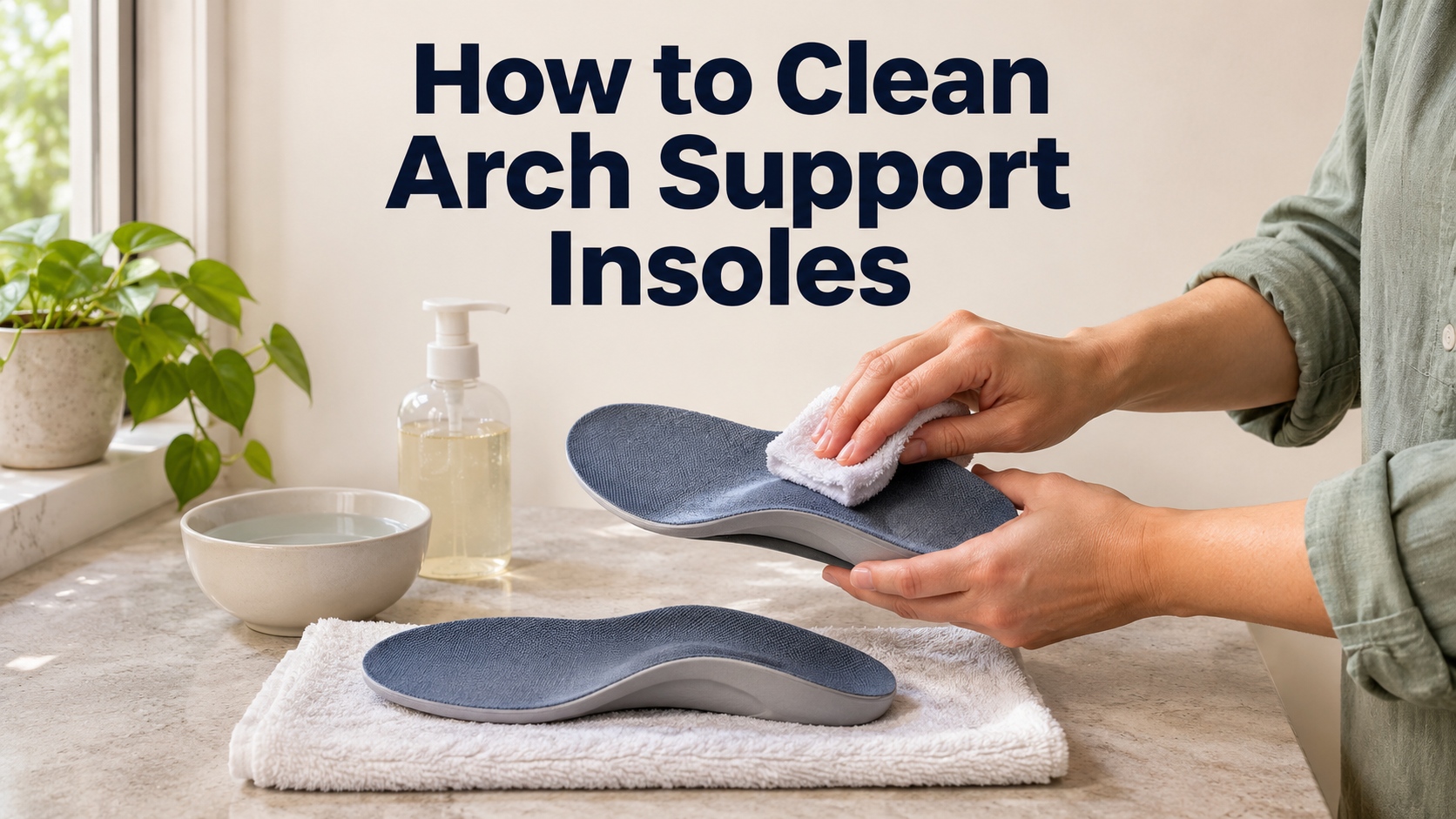
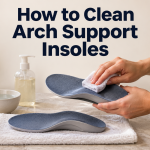
Step 2: Wipe with Mild Soap and a Damp Cloth
Mix a few drops of gentle soap or mild detergent into a small bowl of lukewarm water. Dampen a soft cloth or sponge in it, wring it out well, and wipe the top surface and the sides. Use light pressure and a minimum of water. A soft brush can help with textured covers.
Step 3: Wipe Off the Soap
Go over the insole with a clean cloth dampened with plain water to lift away soap residue. Leftover soap can leave a film that attracts dirt and may irritate sensitive skin.
Step 4: Deodorize If the Smell Remains
If the odor is still there, sprinkle a thin layer of baking soda over the dry surface, leave it for several hours or overnight, and then brush or tap it off. Baking soda helps absorb odors without wetting the material. You can also use an insole deodorizing spray made for shoes, following the directions on the label.
Step 5: Dry Completely
Place the orthotics flat in a well-ventilated spot at room temperature. Keep them away from radiators, hair dryers, heaters and direct strong sunlight, as heat can warp shells, shrink foam and loosen adhesives. Do not put them back in your shoes until they are fully dry, because damp insoles in a closed shoe will start to smell again very quickly.
Cleaning Methods at a Glance
| Method | Best for | Things to watch |
|---|---|---|
| Mild soap and damp cloth | Regular cleaning of nearly all orthotics | Use little water and rinse off residue |
| Baking soda | Absorbing lingering odor from dry insoles | Brush off thoroughly before wearing |
| Diluted white vinegar on a cloth | Stubborn odor on washable top covers | Test a small hidden spot first and avoid soaking |
| Shoe deodorizing or antimicrobial spray | Quick freshening between cleanings | Follow the label and let it dry fully |
| Rubbing alcohol on a cloth | Light spot disinfecting of firm, sealed surfaces | Can dry out or damage some covers and adhesives, so test first |
| Washing machine or dryer | Not recommended | Can warp shells and destroy glued layers |
Don’t Forget Your Shoes
If your shoes are the main source of the smell, a freshly cleaned orthotic will start to pick up the odor again right away. Wipe the inside of your shoes, sprinkle in some baking soda overnight, and let them dry fully between wears. Many people find it helpful to use charcoal or cedar inserts inside shoes between uses to absorb moisture and odor.
How to Stop Orthotics from Smelling in the First Place
Cleaning solves the current problem, but good habits are what keep it from coming back. Most of these steps are about one thing: keeping moisture under control.
Rotate Your Shoes
Try not to wear the same pair two days in a row. A full day of rest lets shoes and insoles release moisture. If you rely on one pair of orthotics, take them out at night and let them air dry, or consider a second pair so you can swap between them.
Choose the Right Socks
Moisture-wicking socks made from merino wool or technical synthetic fibers pull sweat away from your skin and dry faster than cotton. Changing your socks mid-day if your feet get very sweaty can also make a difference.
Look After Your Feet
- Wash your feet daily with soap and dry them well, especially between the toes.
- Keep toenails trimmed and clean.
- Treat athlete’s foot and other skin problems promptly.
- Consider a foot powder or a foot-specific antiperspirant if you sweat heavily.
Pick Breathable Shoes
Leather, mesh and other breathable materials let heat and moisture escape. Tightly sealed shoes, especially in warm weather, make the insole environment hotter and wetter.
Store Orthotics Properly
Never leave orthotics in a closed gym bag, car trunk or damp locker. Keep them flat in a dry, ventilated place instead.
When Should You Replace Smelly Orthotics?
Sometimes no amount of cleaning will get the smell out. Consider replacing your orthotics if:
- The odor returns within a day or two of a thorough cleaning and drying.
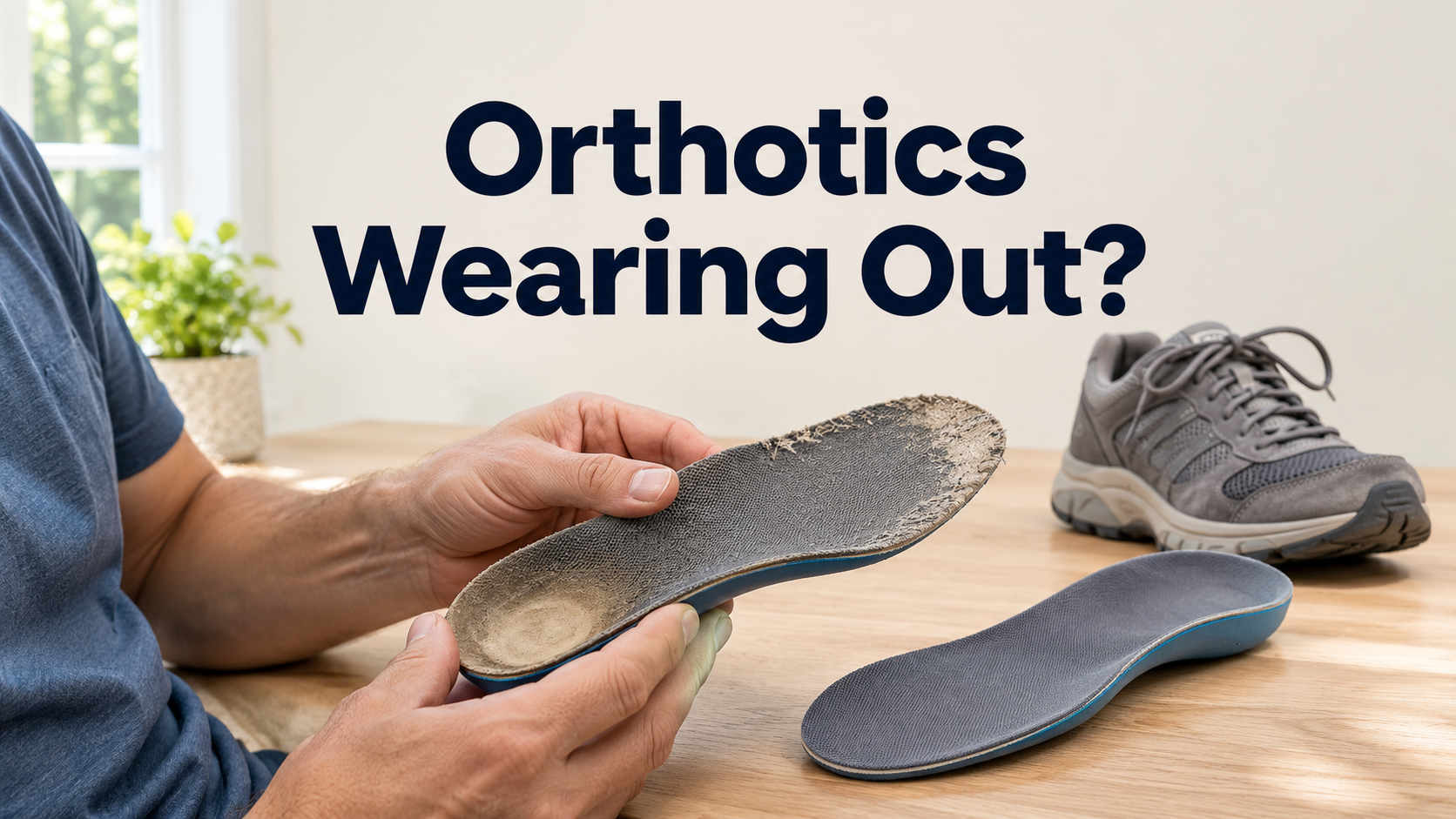
- You can see stains, mold, discoloration or a sticky, crumbling surface.
- The cover is peeling, torn or has worn through, exposing foam that absorbs moisture.
- The cushioning is flattened or the shell is cracked, which often goes hand in hand with years of sweat and wear.
- They have passed their typical lifespan. Store-bought insoles are often replaced every few months to a year, while custom orthotics generally last longer, with some needing only a new top cover.
If your custom orthotics are in good shape but the cover is stained and smelly, ask the provider or lab that made them whether the top cover can be replaced. This is often more economical than ordering a new pair.
How to Choose Odor-Resistant Insoles and Orthotics
If you are replacing a smelly pair, a few smart choices can help the next one stay fresher for longer.
Moisture-Wicking Top Cover
Look for a cover designed to pull moisture away from the skin and dry quickly. Fabrics that wick moisture help keep the surface drier, which gives bacteria less to work with.
Antimicrobial or Odor-Control Treatment
Many insoles include an antimicrobial treatment or odor-control finish in the cover or foam. These can help slow the growth of odor-causing microbes. They are a helpful extra, but they do not replace regular cleaning and drying.
Ventilation and Perforations
Perforated or ventilated designs can improve airflow inside the shoe, which helps moisture escape.
Closed-Cell or Easy-Clean Materials
Closed-cell foams and smooth, wipeable surfaces generally absorb less moisture than porous materials, making them easier to clean. Leather and cork can be comfortable, but they need more careful drying.
Charcoal or Odor-Absorbing Layers
Some insoles include activated charcoal or similar layers meant to help absorb odor. These can be a useful extra for people who struggle with persistent smell.
Support That Suits You
Do not sacrifice fit and support for odor control. A good orthotic still needs to match your arch type, your shoes and your activity. Check the fit and the return policy, and allow a gradual break-in period.
When to See a Professional
See a doctor, podiatrist or dermatologist if you notice any of these along with foot or insole odor:
- A strong smell that does not improve after careful cleaning and good foot hygiene
- Itching, burning, redness, peeling or cracked skin
- Small pits, white soggy skin or a rash on the soles
- Very heavy sweating that soaks socks and shoes regularly
- Blisters, sores or discolored toenails
- Any foot problem if you have diabetes, nerve damage or poor circulation
Frequently Asked Questions
Why do my orthotics smell even when my feet are clean?
Insoles hold on to sweat, skin cells and bacteria in their materials, so they can smell even after you wash your feet. The orthotic and your shoes need cleaning and drying too.
How often should I clean my orthotics?
A quick wipe once a week works for many people, with a deeper clean whenever you notice odor. If you sweat a lot or wear them for long hours, clean them more often.
Can I wash orthotics in the washing machine?
No. Machine washing and tumble drying can warp shells, damage foam and break down the glue. Hand wipe them with a mild soap solution instead.
Does baking soda really get rid of insole odor?
Baking soda helps absorb odor, particularly when applied to dry insoles overnight. For stubborn smells, combine it with proper cleaning and good drying.
Can I put orthotics in the sun to dry?
Brief indirect airing is fine, but avoid leaving them in strong direct sun or hot spots such as a car dashboard, since heat can warp them. Room-temperature air drying is the safest option.
Are antimicrobial insoles worth it?
They can help slow odor-causing microbes, especially if your feet sweat a lot. They work best together with moisture control, clean socks and regular cleaning.
Why do my shoes still smell after I clean my orthotics?
The shoe lining can hold odor too. Clean and deodorize the inside of your shoes, and let them dry for a full day between wears.
Is it safe to keep wearing smelly orthotics?
Mild odor is not usually dangerous, but damp, dirty insoles can irritate skin and encourage fungal or bacterial problems. It is best to clean them promptly and see a professional if skin symptoms appear.
Final Thoughts
Smelly orthotics are a common and fixable problem. They happen when sweat, warmth and bacteria team up inside a closed shoe, and insole materials make the odor harder to escape. A gentle cleaning routine, thorough drying, moisture-wicking socks and a regular shoe rotation will solve the problem for most people.
If the smell keeps coming back, check whether your orthotics are past their best, consider a more breathable or odor-resistant replacement, and have your feet checked if you notice any skin symptoms. With the right care, your orthotics can stay fresh, comfortable and supportive for as long as they were designed to last.
Disclaimer: This article is for general information only and is not a substitute for professional medical advice, diagnosis or treatment. Always follow the care instructions from the maker of your orthotics and the guidance of your podiatrist, orthotist or healthcare provider, and seek advice if you have a persistent foot problem or a medical condition that affects your feet.