







Does your arch ache by the end of the day? Does the inside of your heel burn after a long walk, or do your shins complain when you start running again? If your feet roll inward more than they should, you may be dealing with overpronation foot pain. It is one of the most common reasons people visit a foot specialist, and the good news is that most cases can be managed with simple, consistent steps.
This guide explains what overpronation is, why it hurts, which symptoms to watch for, and how to reduce pain with the right shoes, insoles, exercises, and daily habits.
What Is Overpronation?
Pronation is the natural inward roll of your foot after your heel lands. It is healthy and helps absorb shock. Your foot rolls in a little, spreads the load, and then stiffens to push you off the ground.
Overpronation happens when that inward roll goes too far or lasts too long. The arch drops, the ankle tilts inward, and the foot stays flexible when it should be firm. Many people with flat feet overpronate, but you can also overpronate with a normal-looking arch.
How Overpronation Causes Foot Pain
Each step sends force through the foot. When the arch collapses too much, the soft tissues that support it have to work harder. The plantar fascia, the thick band along the bottom of the foot, is pulled. The tendon on the inner ankle works overtime to hold the arch up. Muscles in the calf and shin also tire faster.
Over days and weeks, this extra strain can irritate tissues and lead to pain. It is worth saying that research on pronation and injury is mixed. Overpronation does not cause pain in everyone, and not every aching foot is caused by pronation. Still, it is a very common contributor, especially when it combines with other factors.
Common Symptoms of Overpronation Foot Pain
- Arch pain or aching: A tired, sore feeling along the inside of the foot.
- Heel pain: Often sharpest with the first steps in the morning.
- Pain on the inner ankle: Tenderness or swelling behind the inner ankle bone.
- Pain in the ball of the foot: Pressure under the forefoot, especially in thin or flat shoes.
- Shin pain: A dull ache along the inner edge of the shin bone, common in runners.
- Knee, hip, or lower back discomfort: The inward roll can change how force travels up the leg.
- Uneven shoe wear: Heavy wear on the inner edge of the heel and forefoot.
- Foot fatigue: Feet feel tired after short periods of standing or walking.
Conditions Often Linked to Overpronation
| Condition | Typical signs |
|---|---|
| Plantar fasciitis | Heel or arch pain, worse with the first steps after rest |
| Shin splints | Aching along the inner shin during or after exercise |
| Posterior tibial tendon irritation | Pain or swelling along the inner ankle, a flattening arch |
| Achilles tendon strain | Pain or stiffness just above the heel |
| Metatarsalgia | Burning or bruised feeling under the ball of the foot |
| Knee pain (runner’s knee) | Ache around or behind the kneecap |
These conditions have many possible causes, so a proper diagnosis matters. Do not assume your pain is from overpronation without checking.
What Causes Overpronation?
Flat or Low Arches
Low arches give the foot less natural support, so it is more likely to roll inward.
Weak Foot, Ankle, and Hip Muscles
Muscles that control the arch and the alignment of the leg may not be strong enough to resist the inward roll.
Tight Calf Muscles
Limited ankle movement can make the foot roll in to make up for the lost motion.
Extra Body Weight
More weight increases the load on the arch with every step.
Unsupportive or Worn-Out Shoes
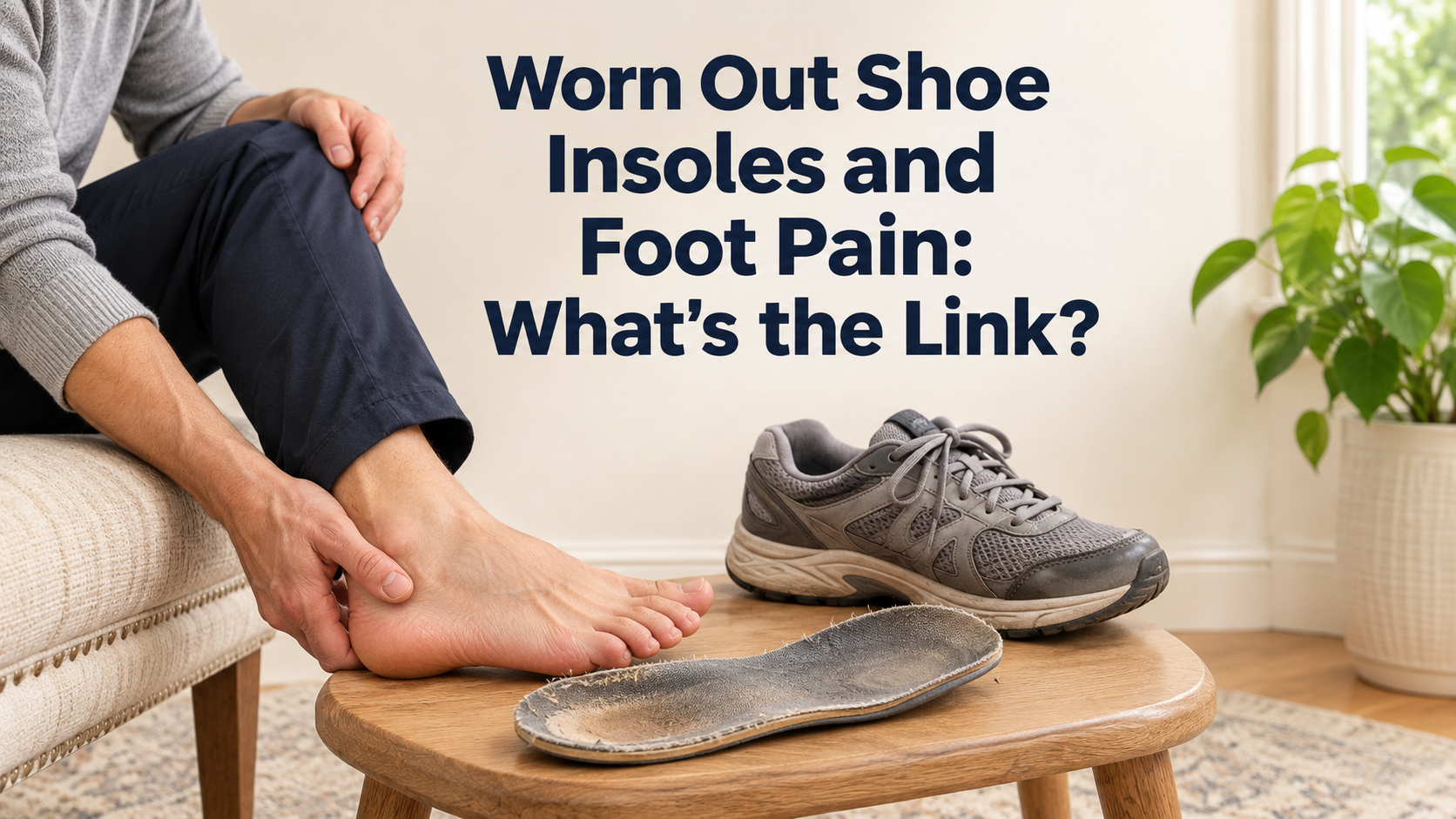
Soft shoes or shoes with a collapsed inner midsole allow the foot to roll further.
Long Hours on Hard Surfaces
Standing jobs and hard floors add fatigue, and tired muscles let the arch sag.
Pregnancy and Joint Looseness
Hormonal changes and naturally flexible joints can allow the arch to lower.
Sudden Increases in Activity
Doing too much, too soon, is a classic trigger for pain in a foot that already rolls in.
How to Tell If You Overpronate
- Check your shoes. Look for heavy wear on the inner edge of the heel and forefoot, and see if the shoe leans inward on a flat table.
- Try the wet footprint test. A print with a full, wide midfoot suggests a low arch.
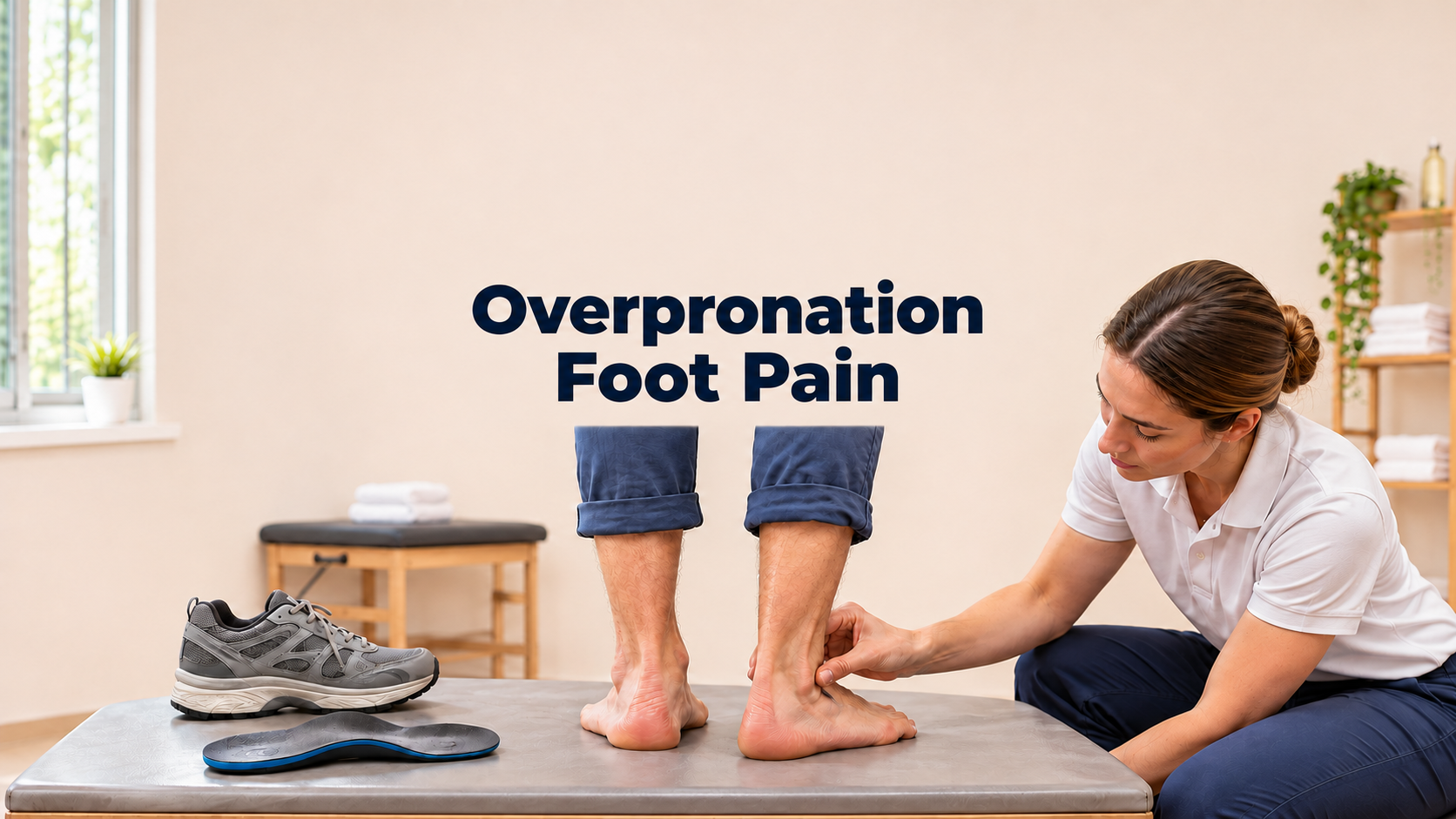
- Look from behind. Ask someone to photograph your heels while you stand. Ankles that tilt inward can be a clue.
- Watch your knees. If your knees drift inward when you squat or step down, mention it to a professional.
For a more reliable answer, a podiatrist or physical therapist can watch you walk, and some clinics also offer gait analysis on a treadmill or pressure plate.
How to Relieve Overpronation Foot Pain
1. Ease the Load First
If your feet hurt, reduce high-impact activity for a short time. Swap running for swimming or cycling, avoid going barefoot on hard floors, and use ice on sore areas for 10 to 15 minutes if it feels relieving. Do not stop moving completely, since gentle activity often helps recovery.
2. Wear Supportive Shoes
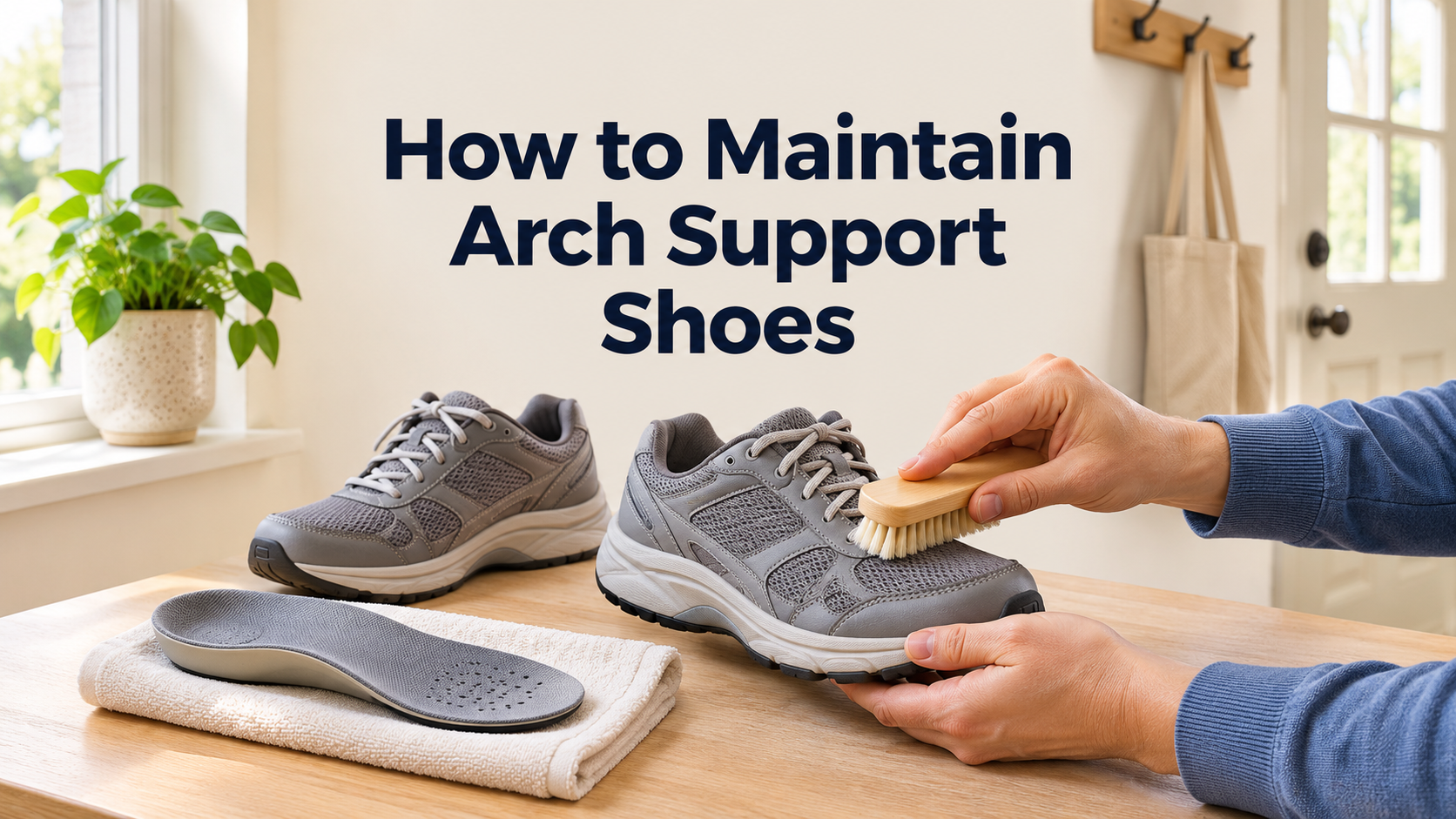
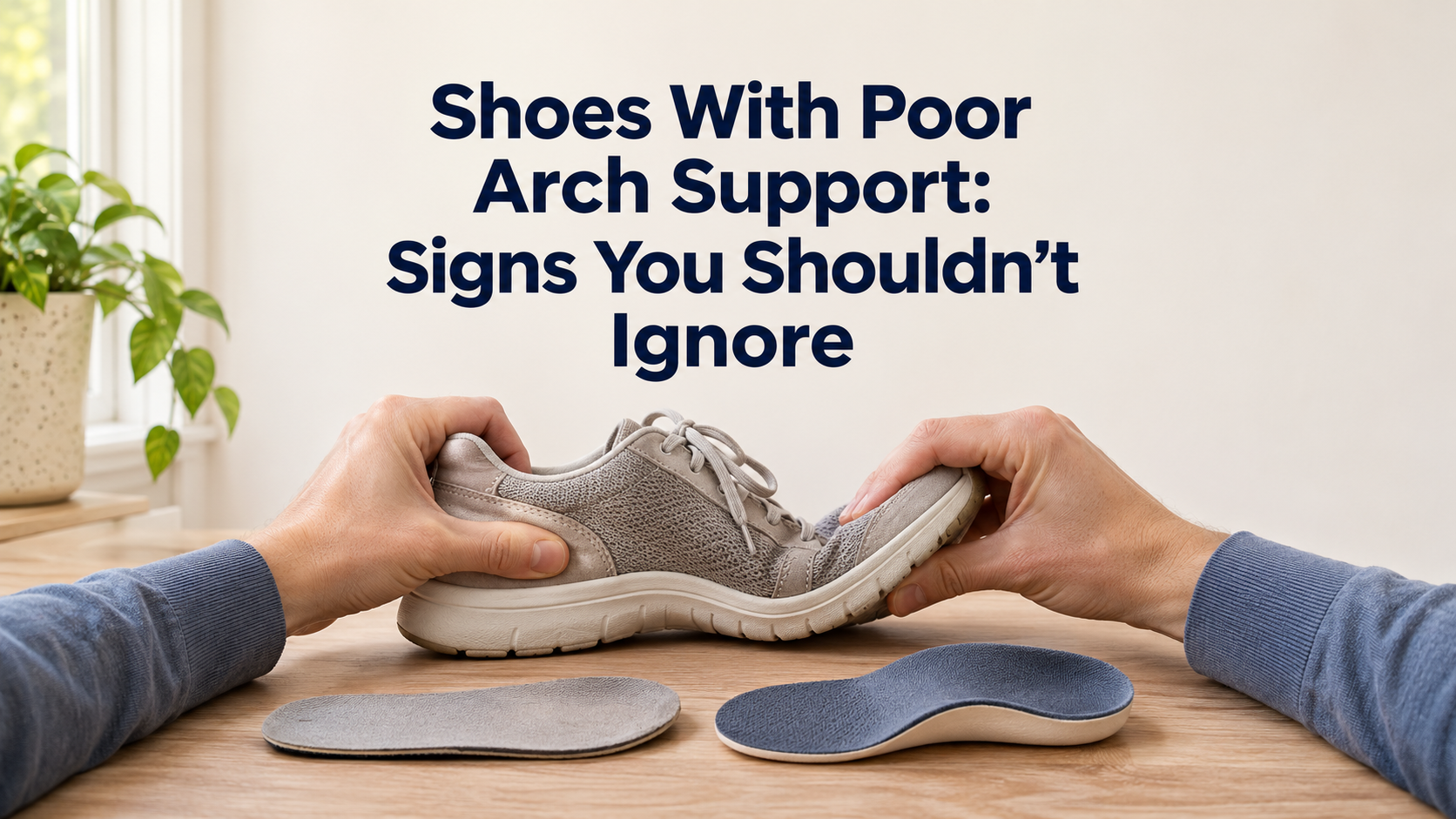
Choose shoes with a firm heel counter, good midfoot support, a stable base, and a midsole that does not twist or fold easily. Many brands offer stability shoes designed for overpronation. Make sure there is about a thumb’s width of space at the toes and that your heel stays in place. Replace shoes when the inner midsole feels soft or the shoe tilts inward, which is often between 300 and 500 miles (480 to 800 km) of use or 6 to 12 months of regular wear.
3. Use Arch Support or Orthotics
Over-the-counter arch supports can help reduce inward rolling and share the load on the arch. If pain is persistent or your foot shape is more complex, custom orthotics prescribed by a podiatrist may fit better. Give any new insole a few days to adapt, wearing it for short periods at first.
4. Stretch and Strengthen
Targeted exercises help your muscles control the arch. Start slowly and stop if an exercise causes sharp pain.
- Short foot exercise: Gently draw the ball of the foot toward the heel to lift the arch without curling the toes. Hold 5 seconds, repeat 10 times.
- Calf stretch: Stand facing a wall with one leg back and heel down. Hold 30 seconds, 2 to 3 times each side.
- Heel raises: Rise onto the balls of both feet slowly, then lower slowly. Progress to one foot as you get stronger.
- Towel scrunches: Use your toes to pull a small towel toward you.
- Hip strengthening: Side-lying leg lifts and glute bridges help keep the knee in line over the foot.
5. Roll and Release Tight Areas
Rolling the arch over a small ball or a frozen bottle, and gentle calf massage, can ease tension in tight tissues. Use light pressure.
6. Manage Body Weight and Daily Habits
If extra weight adds to your foot load, even modest changes can reduce strain. Take short breaks if you stand all day, and use cushioned mats at workstations where possible.
Running and Walking With Overpronation
- Increase distance gradually. A common rule is to raise weekly mileage slowly, around 10 percent at a time.
- Mix surfaces. Rotate between softer surfaces and pavement when you can.
- Warm up first. A few minutes of walking, calf movements, and ankle circles prepare the feet.
- Rotate two pairs of shoes. This gives the cushioning time to recover.
- Listen to pain. Mild soreness that eases is one thing. Sharp or worsening pain is a signal to stop and get checked.
When to See a Professional
Get advice from a podiatrist, physiotherapist, or doctor if you have:
- Pain that lasts more than a few weeks despite self-care
- Swelling, redness, or warmth in the foot or ankle
- Sudden loss of arch height on one side, especially with inner ankle pain
- Pain at night or at rest
- Numbness, tingling, or weakness
- Diabetes or circulation problems together with any foot pain
A professional can confirm the cause, rule out other problems, and suggest treatment such as custom orthotics, taping, targeted exercises, or footwear advice.
Frequently Asked Questions
Can overpronation cause foot pain?
Yes, it can contribute to pain in the arch, heel, ankle, and forefoot by overloading the tissues that support the foot. It is not the only possible cause, so a proper check is useful.
Is overpronation the same as flat feet?
No. They are related, and many people with flat feet overpronate, but a person can overpronate with a normal arch, and some flat-footed people do not have pain.
Can overpronation be corrected?
The structure of your foot may not change, but you can manage the effects. Supportive footwear, insoles, and strengthening can reduce excess motion and pain for many people.
What are the best shoes for overpronation?
Look for stability shoes with a firm heel, good arch support, and a stable base. Comfort and fit matter most, so try on several pairs and walk around in them.
Do I need custom orthotics?
Not always. Many people do well with good shoes and over-the-counter arch supports. Custom orthotics can help when pain continues or foot structure is more complex.
How long does it take to feel better?
Mild cases often improve over a few weeks with the right changes. Longer-standing problems can take a few months. Consistency is the key.
Final Thoughts
Overpronation foot pain can make everyday life uncomfortable, but it is usually manageable. Start with supportive, well-fitted shoes, add arch support if needed, strengthen and stretch regularly, and increase activity slowly. If the pain keeps coming back or gets worse, a podiatrist can help you find the exact cause and build a plan for your feet. Small, steady changes often bring the biggest relief.
Disclaimer: This article is for general information only and is not medical advice. If you have foot pain or health concerns, please consult a qualified healthcare professional.