





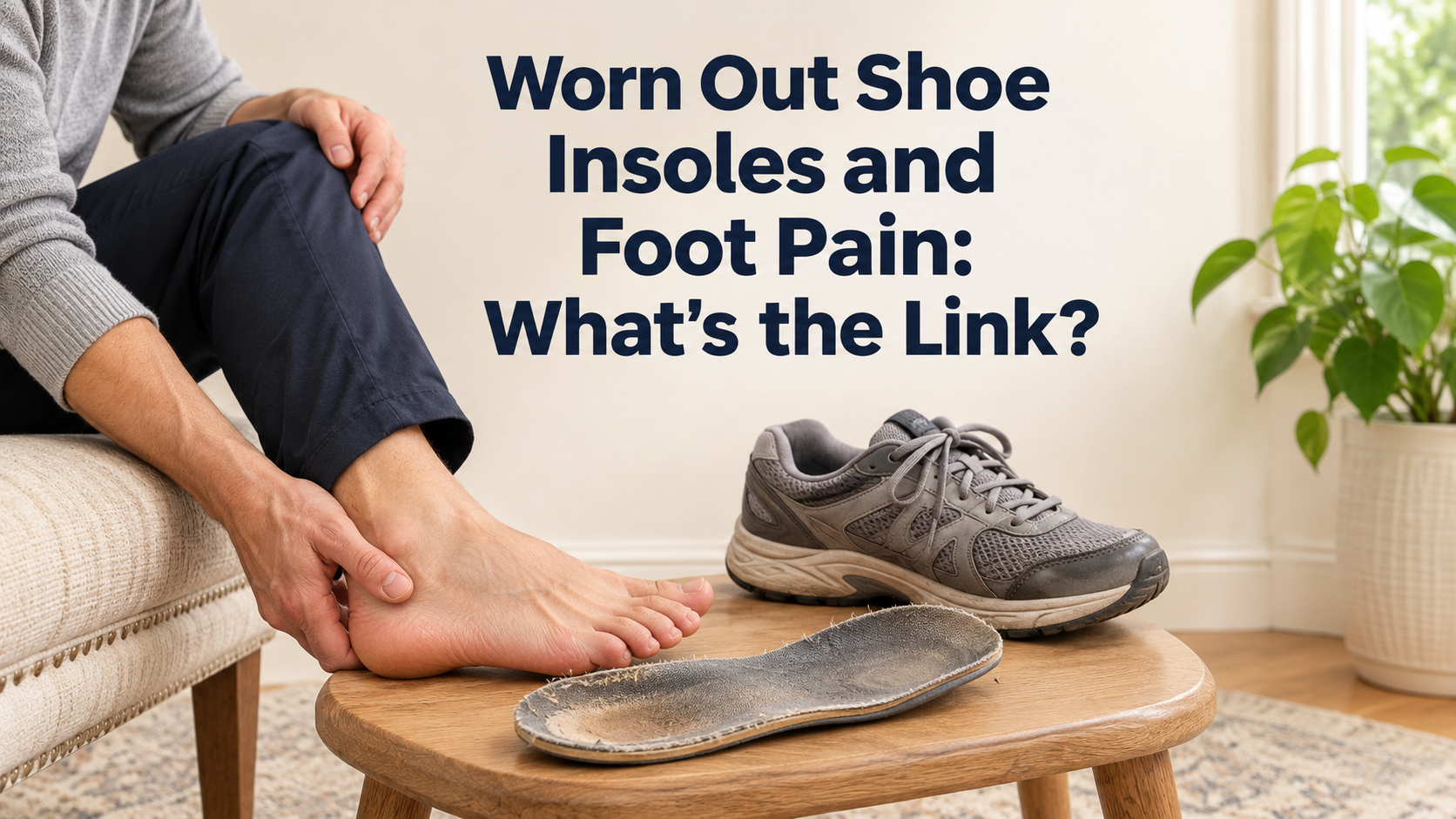

Worn Out Shoe Insoles and Foot Pain: What’s the Link?
You can buy the most comfortable shoes in the shop, but if the insoles inside them have given up, your feet will let you know. A worn out insole stops doing its job of cushioning impact and supporting the arch. The result is often a nagging ache in the heel, arch or ball of the foot that seems to appear out of nowhere.
Because insoles wear down slowly, most people never notice the change. The pain creeps in over weeks or months, and the shoes get blamed on everything except the thin layer your foot actually rests on. This guide explains how worn insoles cause foot pain, the signs to look for, how long insoles should last, and what to do about it.
Worn insoles lose cushioning and arch support. This can lead to heel pain, arch ache, ball-of-foot pain, tired feet and sometimes knee or back discomfort. Check your insoles for flattening, cracks and odour, replace them on schedule, and see a podiatrist if the pain does not improve.
Why Insoles Wear Out
An insole is made of foam, gel, cork, plastic or a mix of materials. Every step compresses these materials slightly. Hundreds of steps become thousands, and thousands become millions. Eventually the material no longer springs back to its original shape, which is why an insole can look fine but feel flat and lifeless underfoot.
Several things speed up the process:
- Daily use: Wearing the same pair of shoes every day gives the insole no time to recover.
- Body weight and activity: More load per step means faster compression, especially during running, hiking or long shifts on your feet.
- Sweat and moisture: Damp conditions break down materials and encourage odour.
- Heat: Leaving shoes in a hot car or near a heater can dry out and warp insoles.
- Low-quality materials: Cheap foam flattens much sooner than denser, higher-quality materials.

How Worn Out Insoles Cause Foot Pain
Your feet absorb a lot of force. Each step sends a shock through the heel, which then rolls forward through the arch and pushes off from the ball of the foot and toes. A healthy insole softens that shock and holds the arch in a good position. When it wears out, three things happen:
- Less shock absorption. Impact travels straight into the heel bone and the joints of the foot, and up through the ankles and knees.
- Less arch support. The arch sinks, which can stretch the ligaments and the thick band of tissue under the foot.
- Uneven pressure. Compressed zones create hard spots, so pressure lands on small areas instead of spreading across the whole foot.

Common Types of Pain Linked to Worn Insoles
Heel Pain
When the heel cushioning packs down, the heel takes more impact with every step. Many people notice a deep ache or sharp pain in the heel, which can be worse first thing in the morning or after sitting for a while.
Arch Pain
A flattened insole no longer holds the arch up. The foot muscles and ligaments work harder to compensate, and the arch begins to feel sore, tight or tired, especially at the end of the day.
Ball-of-Foot Pain
Thinned forefoot padding means the bones behind the toes press more directly against the ground. This can feel like a bruise, burning, or the sensation of walking on a pebble.
General Foot Fatigue
Even without a sharp pain, worn insoles can leave feet feeling heavy and worn out after ordinary walking or standing.
Knee, Hip or Back Discomfort
Changes in how your feet absorb shock and align can sometimes affect joints higher up. Footwear is not the only cause of these pains, but it is a simple factor to check.
Signs Your Insoles Are Worn Out
- Visible flattening where your heel and the ball of your foot rest.
- Cracks, tears or crumbling foam on the surface or edges.
- Peeling top cover or edges lifting away from the base.
- Foot imprints pressed permanently into the material.
- A thin or hard feel when you press the insole with your thumb.
- Lingering odour that does not go away after cleaning.
- Foot pain or fatigue that began or got worse as the insoles aged.
- Slipping inside the shoe because the insole has warped or lost its grip.
A Quick Test You Can Do Today
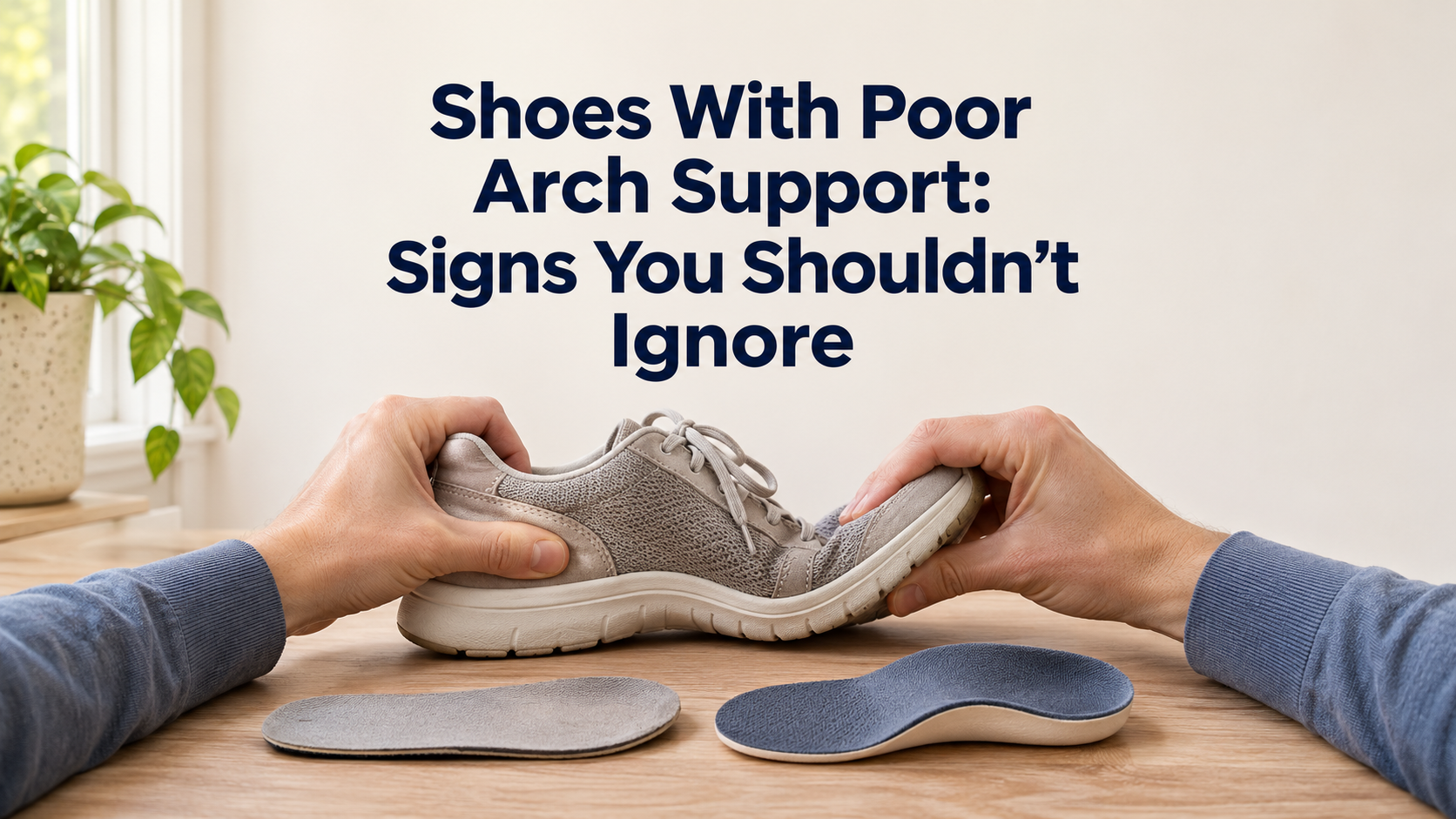
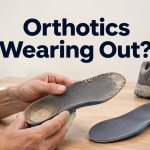
Take the insole out and place it on a table next to the shoe’s other insole or, better, a new one. Compare the thickness at the heel and ball of the foot. Press down with your thumb in those areas: if it feels thin, hard and slow to spring back, it has lost its cushioning. Then put the insole back and stand on a hard floor. If your foot feels like it is sitting on the shoe’s base, the insole is no longer helping.
How Long Should Insoles Last?
There is no single answer, because lifespan depends on material and use. The chart below gives a general guide for regular daily use.

As a rule of thumb, replace basic insoles every few months if you are on your feet a lot, and check supportive insoles every six to twelve months. If you run or walk long distances, many people replace insoles around the same time as their shoes, often after 300 to 500 miles. Orthotics prescribed by a professional may last longer, but they should be checked regularly. Follow your clinician’s advice for those.
Signs at a Glance
| What you notice | What it may mean | What to try first |
|---|---|---|
| Heel ache, worse in the morning | Heel cushioning is compressed | Replace insoles; add a cushioned heel cup |
| Arch tiredness or soreness | Arch support has flattened | Switch to a firmer, contoured insole |
| Burning under the ball of the foot | Forefoot padding is thin | Use an insole with forefoot cushioning |
| Cracks or peeling surface | Material is breaking down | Replace right away |
| Persistent smell | Bacteria in worn, damp material | Clean, dry fully, and replace if it returns |
| Foot slides in the shoe | Insole is warped or too thin | Replace with a correctly sized insole |
What to Do About Worn Out Insoles
1. Replace Them
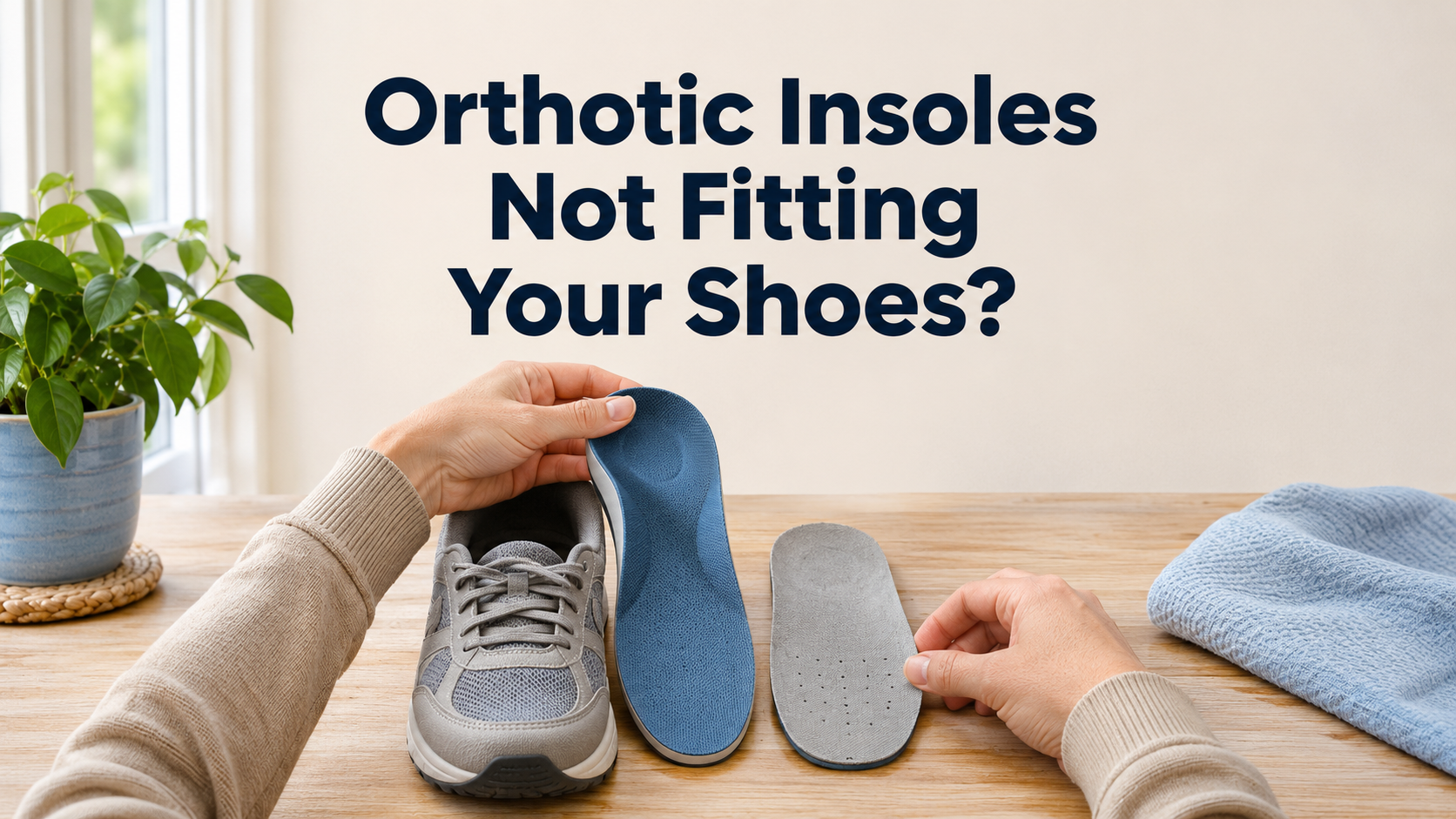
Once an insole has flattened, no amount of cleaning will bring it back. Replacement is the real fix. Remove the old insole and use it as a template when buying a new one so the size and shape match.
2. Match the Insole to Your Foot
Different feet need different support. People with flat or low arches usually do better with firmer, contoured support. People with high arches often need more cushioning and a gentle arch fill. If you are unsure, try the wet footprint test: step on dark paper with a wet foot and see how much of the arch prints.
3. Check the Shoe Too
A new insole cannot fully fix a shoe that has lost its structure. If the midsole is crushed, the heel leans or the shoe twists easily, replace the shoe as well.
4. Rotate Your Shoes
Alternating between two pairs gives the cushioning time to recover and lets moisture dry out. This can noticeably extend the life of both shoes and insoles.
5. Keep Insoles Clean and Dry
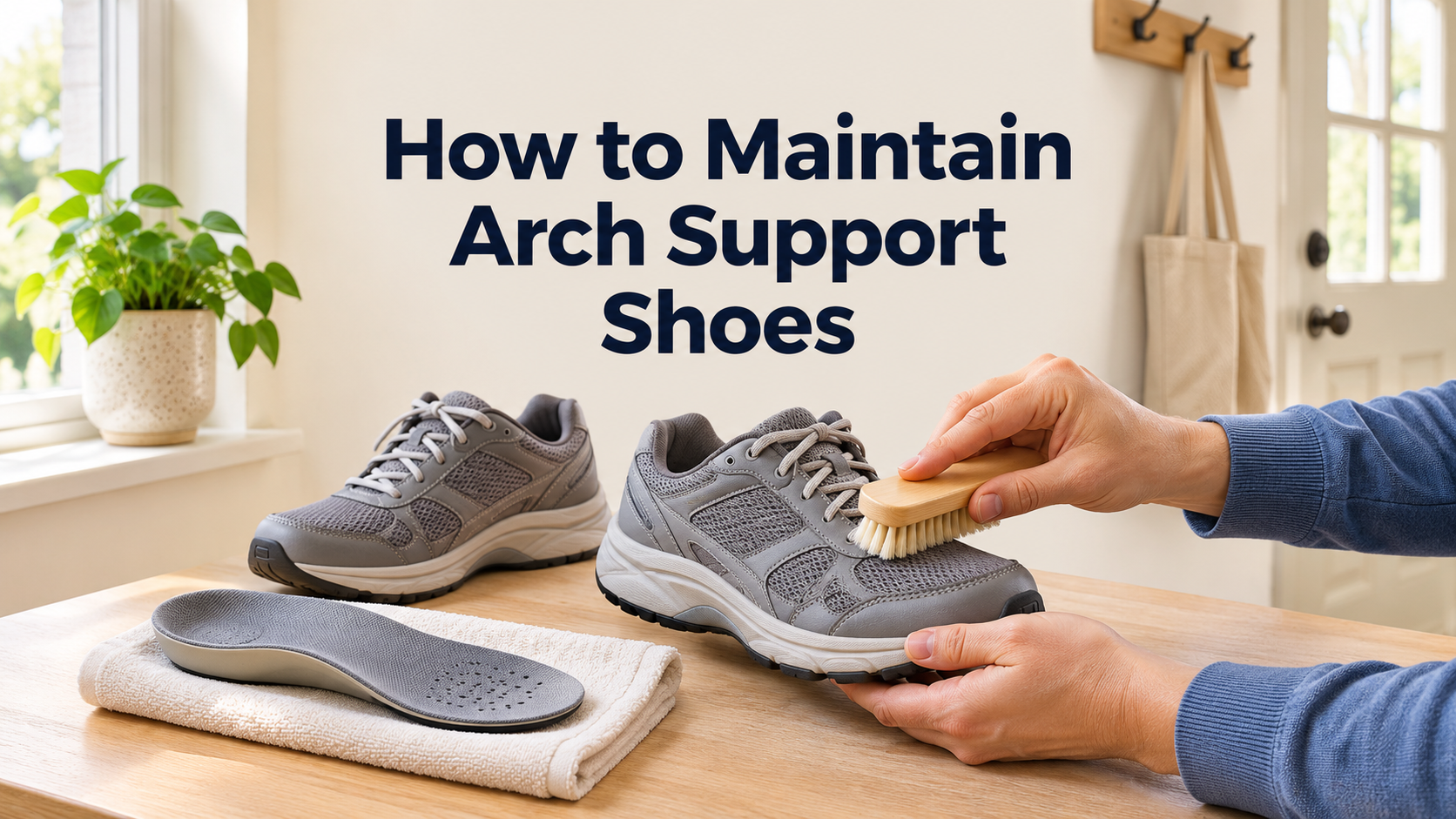
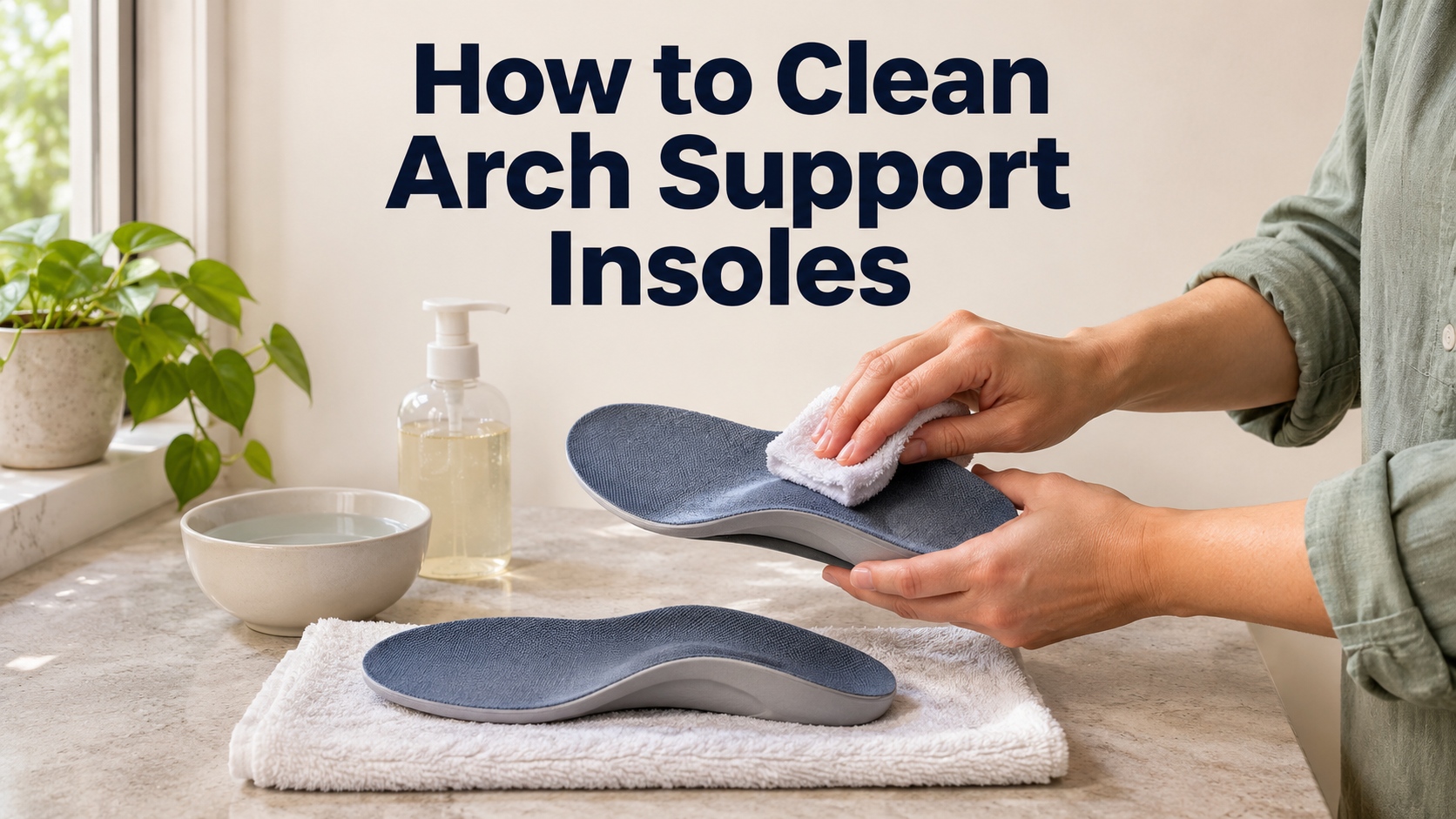
Take insoles out at night so they can air out. Wipe them with a damp cloth and mild soap when needed, and let them dry completely away from direct heat before putting them back.
6. Ease Into New Insoles
Your feet may need time to adjust, especially to firmer support. Wear new insoles for a few hours a day at first, then build up over one to two weeks.
7. Support Your Feet at Home
- Roll the sole of your foot over a ball or bottle for a minute or two.
- Stretch your calves against a wall, holding for about 30 seconds.
- Rest and elevate your feet after long days.
- Avoid walking barefoot for long periods on hard floors when your feet are sore.
Frequently Asked Questions
Can worn out insoles really cause foot pain?
Yes. When cushioning and support break down, shock and pressure are no longer spread out, which can lead to heel, arch and forefoot pain. Other conditions can cause similar pain, so see a professional if it persists.
How do I know if it is the insoles or the shoes?
Check both. If the insole is flat and cracked but the shoe still twists firmly and holds its shape, replacing the insole may be enough. If the shoe leans, folds in the middle or has a crushed midsole, replace the shoe too.
Can I wash my insoles to make them feel new again?
Cleaning removes dirt and odour, but it cannot restore compressed foam or a collapsed arch. Washing is for hygiene, not for rebuilding support.
Do I need expensive insoles?
Not necessarily. The right fit for your foot type and activity matters more than price. If you have ongoing pain or a medical condition, a professional assessment may be worth it.
Is it safe to use old insoles in new shoes?
It is not ideal. If the old insoles are worn out, they carry their problems into the new shoes. It is better to use fresh insoles that suit the shoe and your foot.
Final Thoughts
Insoles are small, inexpensive and easy to forget, yet they influence how every step feels. When they wear out, foot pain can follow quietly. Take a moment to look at your insoles: check for flattening, cracks and odour, compare them with a new pair, and replace them when they have lost their spring. Pair the right insole with a structurally sound shoe, and your feet will often feel the difference quickly.
If you have been putting up with sore feet, the insoles in your most-worn shoes are the best place to start.
Disclaimer: This article is for general information only and is not medical advice. If you have ongoing foot pain or a medical condition, consult a qualified healthcare professional.