




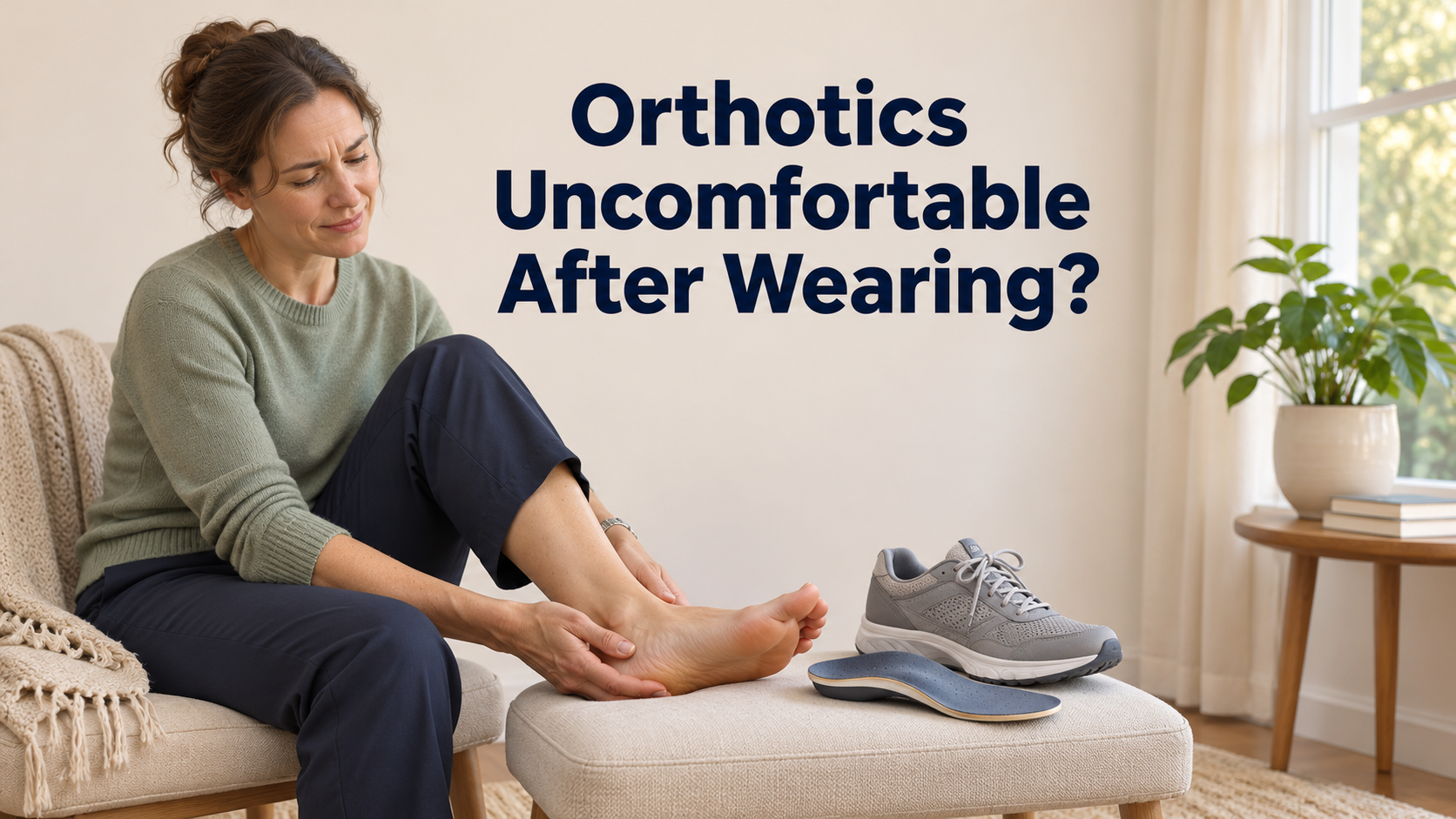
Orthotics Uncomfortable After Wearing Them? 11 Causes and Fixes
You slip in your orthotics and everything feels fine. An hour or two later, or by the end of the day, your feet start to ache, burn, or feel squeezed. Maybe the discomfort only appears after a few weeks of use, or after you take your shoes off. Whatever the pattern, it is confusing and frustrating, especially when you were told orthotics would help.
The good news is that discomfort that builds up over time is a useful clue. The timing, the location, and the type of pain all point to specific causes, and most of them can be fixed with small changes. This guide explains why orthotics become uncomfortable after wearing them, how to tell normal adjustment from a real problem, and what to do step by step.
Orthotics usually become uncomfortable after wearing because of a rushed break-in, an arch that is too high or too firm, feet that swell during the day, shoes with too little room, an insert that slides, or an orthotic that is worn out. Mild awareness in the first one to two weeks is normal. Pain that builds up, worsens, or lasts beyond that is a sign to adjust the fit, not to push through.
When Does the Discomfort Start? Timing Tells the Story
Ask yourself when the discomfort appears. The timing narrows down the likely cause before you change anything.
11 Reasons Orthotics Become Uncomfortable After Wearing
1. Normal Adjustment in the First Week or Two
Your feet have spent years in one position. Orthotics change that position, so muscles, tendons, and ligaments need time to adapt. Mild soreness, a sense of pressure, or tired arches in the first one to two weeks is common and usually fades.
2. Wearing Them Too Long, Too Soon
Going straight to a full day in new orthotics is the most common mistake. Comfortable for an hour does not mean ready for ten. A gradual schedule gives your feet time to adjust.
3. Your Feet Swell During the Day
Feet naturally tend to swell a little as the day goes on, particularly with long periods of standing or warm weather. A shoe that felt fine in the morning, with the extra volume of an orthotic inside, can feel tight by the afternoon. This often explains discomfort that appears after several hours.
4. The Arch Is Too High or the Correction Is Too Strong
An orthotic that lifts the arch higher than your foot is used to can feel like pressure on a small area of the foot. The effect builds the longer you stand or walk, so the discomfort often grows through the day.
5. The Material Is Too Hard or Too Thin
Rigid orthotics are built for control, not cushioning. On hard floors, or in people with sensitive feet, the lack of give can lead to aching in the heel, arch, or ball of the foot after a few hours.
6. The Shoes Are Not Right for Orthotics
Shoes that are shallow, narrow, or very flexible do not work well with orthotics. If the foot is pushed up and forward, toes can feel crowded and the heel may lift. Orthotics belong in shoes with a removable footbed, a firm heel, and enough depth.
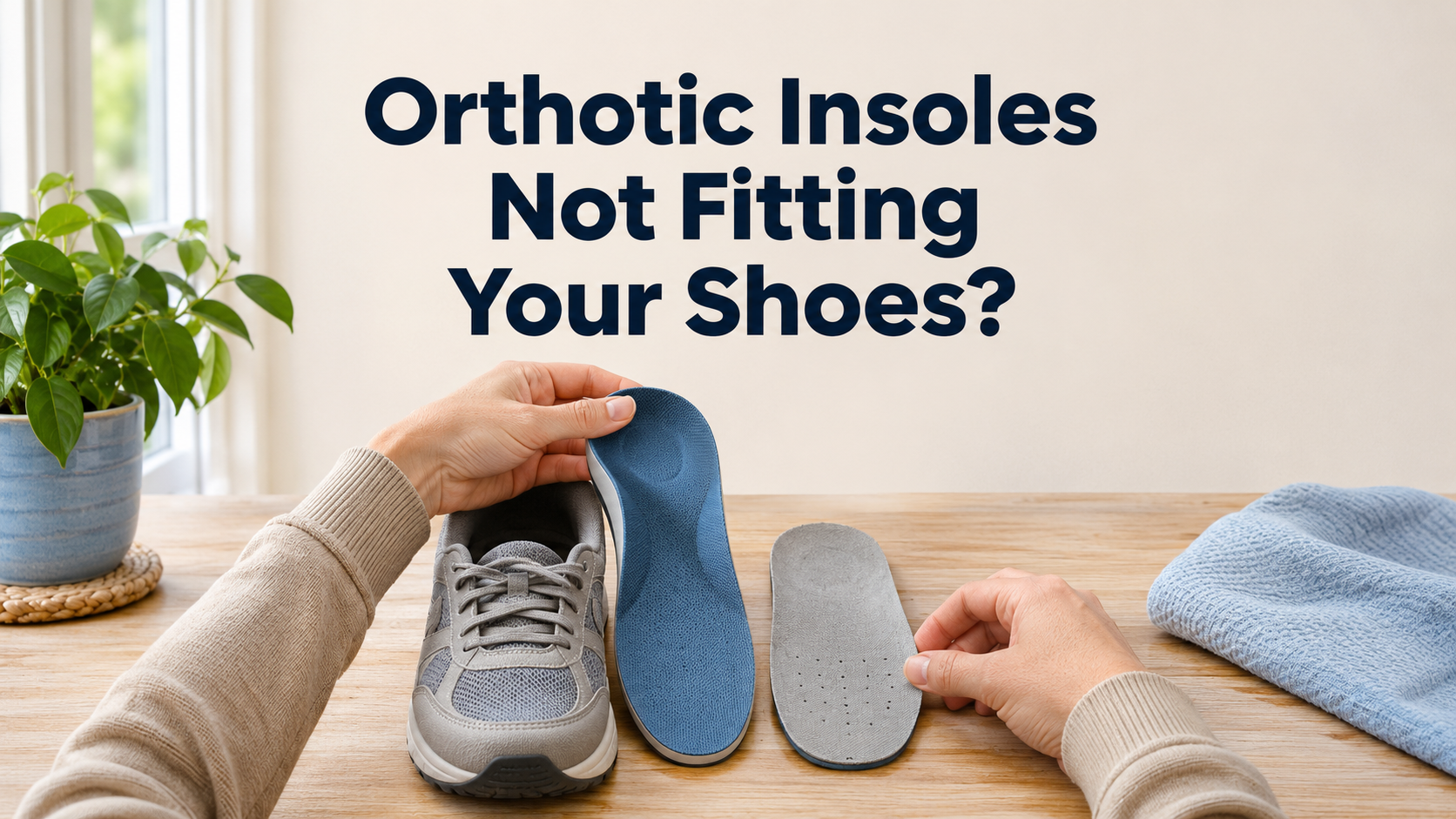
7. The Orthotic Is Shifting or Not Sitting Flat
If the orthotic is stacked on top of the factory insole or does not match the shape of the shoe, it can move with each step. The support then ends up in the wrong place, and the foot compensates.
8. Foot and Calf Muscles Are Working Differently
As your foot position changes, muscles that were not used much start working harder. Tired arches, tight calves, and sore shins are common during adaptation. This is usually temporary, but it can feel like the orthotic is “hurting” at the end of the day.
9. Heat, Sweat, and Poor Breathability
Orthotics reduce airflow, and some top covers hold moisture. Hot, damp feet feel more uncomfortable, and they are more prone to rubbing and blisters.
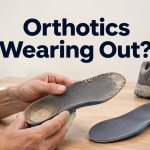
10. The Orthotic Is Worn Out
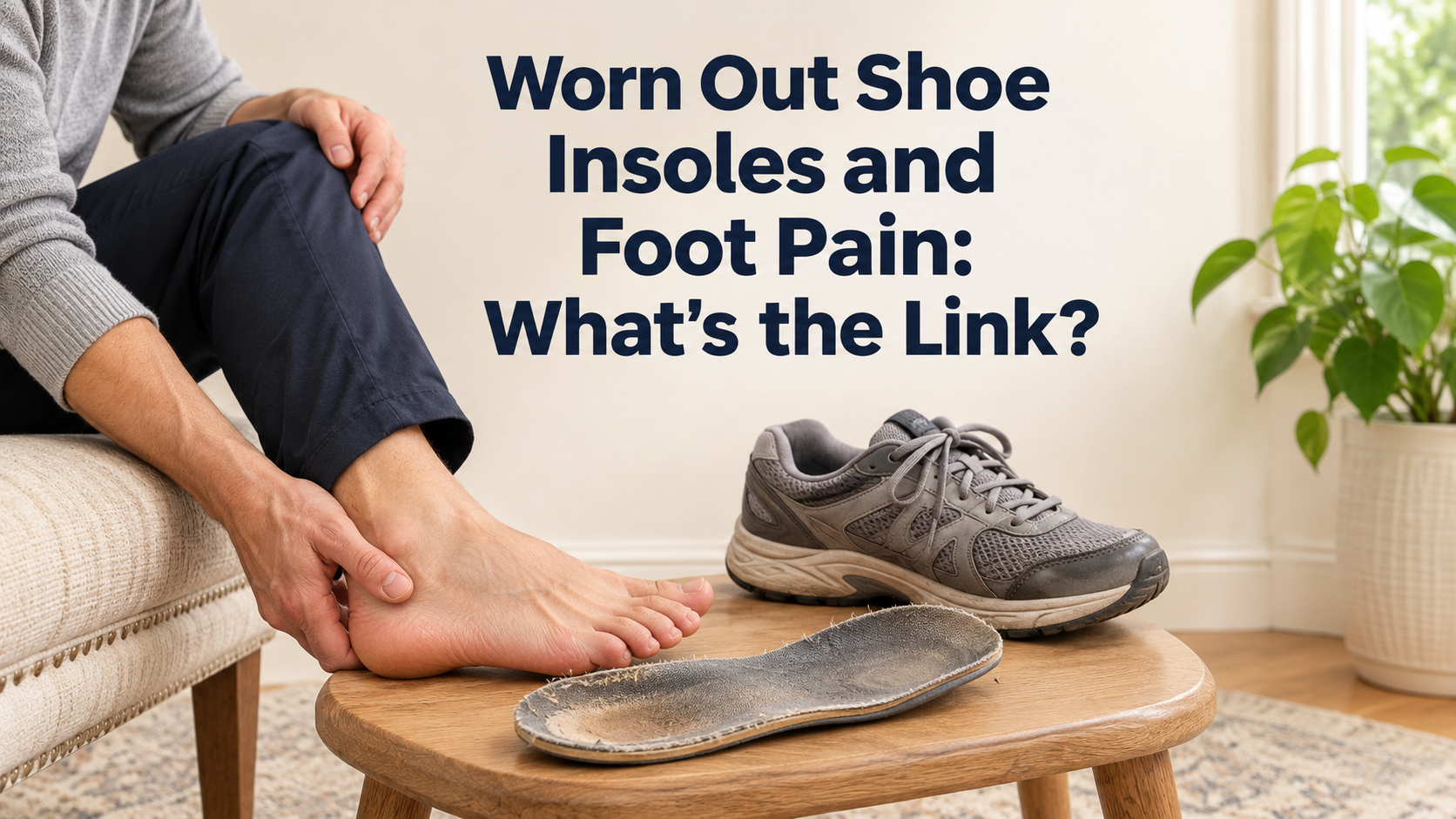
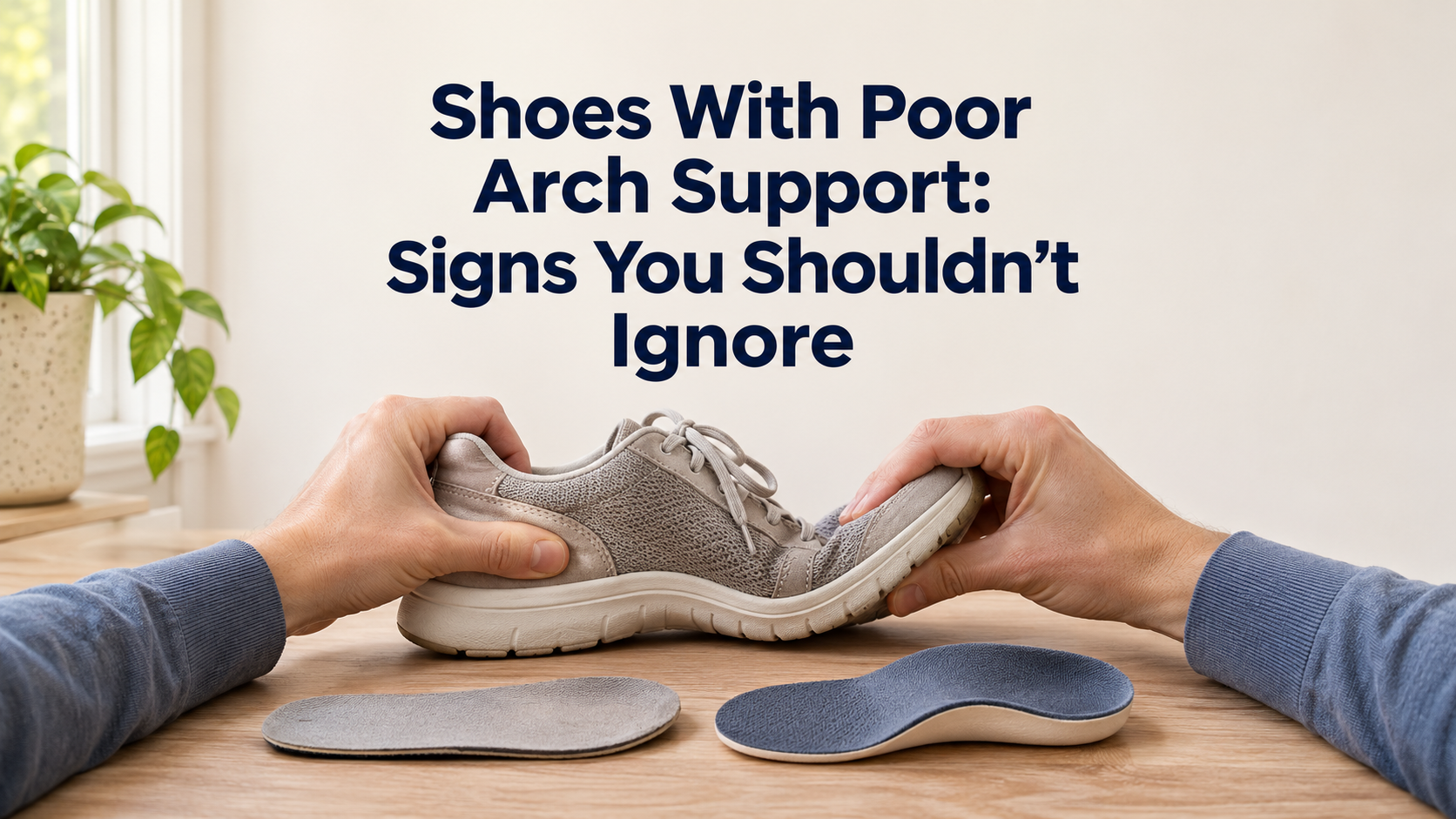
If your orthotics were comfortable at first and have become uncomfortable after months of use, check their condition. Compressed foam, a flattened arch, cracked edges, and curled corners all reduce comfort and support.
11. The Wrong Type, or a Problem That Needs Review
Sometimes the orthotic is simply not the right match for your foot or your problem. A ready-made insert may not suit your shape, and a custom orthotic may need adjusting. Persistent discomfort can also mean the underlying foot problem is not what you think it is, which is a good reason to get a professional opinion.
How Discomfort Can Build Through the Day
The graph below illustrates a common pattern. With a good fit and a proper break-in, comfort stays fairly steady. With a poor fit or a rushed break-in, discomfort tends to creep upward the longer the orthotics are worn.
Normal Adjustment vs. a Real Problem
| Feature | Normal adjustment | Possible problem |
|---|---|---|
| How it feels | Mild pressure, tired arches, awareness of the insert | Sharp, burning, throbbing, or numb |
| Trend over time | Gets easier day by day | Stays the same or gets worse |
| After taking shoes off | Eases within minutes | Aching lasts for hours or the next day |
| Location | General, around the arch and calves | One focused spot, outer edge, heel, or toes |
| Skin | No marks | Redness, blisters, or calluses |
| Higher joints | No new pain | New knee, hip, or back pain |
Where It Hurts and What It Means
| Where | Possible cause | What to try |
|---|---|---|
| Under the arch | Arch too high or too firm | Lower or softer support, slower break-in |
| Heel | Heel cup too hard, shifting, or too little cushioning | Check fit and add cushioning |
| Ball of foot | Shoe too tight or insert pushing forward | Remove factory insole, check shoe depth |
| Toes | Not enough room, or swelling during the day | Wider, deeper shoes; try later in the day |
| Outer edge of foot | Foot tilted outward by strong correction | Review with a professional |
| Calves and shins | Muscles adapting to new foot position | Calf stretches, slower schedule |
| Knees, hips, back | Alignment change from the orthotic | Reduce wear time; get professional advice |
What to Do If Your Orthotics Are Uncomfortable
Work through these steps in order. Most people find the answer in the first few.
Step 1: Go Back to a Gradual Schedule
A commonly recommended approach is one to two hours on the first days, increasing by an hour or two every few days as long as your feet feel fine. If you are sore, stay on the same step longer. If you were prescribed orthotics, follow your clinician’s schedule.
Step 2: Check How Your Orthotics Sit in the Shoe
Take out the shoe’s original insole, if it is removable, so the orthotic sits flat. Make sure the heel of the orthotic rests against the back of the shoe and that nothing bunches or curls at the edges. Trim only if the orthotic is meant to be trimmed, and cut in small steps.
Step 3: Test Your Shoes
- Leave about a thumb’s width in front of your longest toe.
- Make sure the heel does not lift or slide.
- Choose shoes with a firm heel counter and a sole that bends at the ball of the foot, not the middle.
- Try new shoes later in the day, when feet are at their largest, and bring your orthotics.
Step 4: Look at Your Socks
Moisture-wicking socks that fit well reduce heat, sweat, and rubbing. Avoid very thick socks if the shoe is snug, and avoid pure cotton if your feet sweat.
Step 5: Support Your Feet From the Inside
- Calf stretches: hold for 30 seconds, a few times a day.
- Short-foot exercise: gently draw the ball of the foot toward the heel without curling the toes.
- Towel scrunches: use your toes to pull a small towel toward you.
- Rolling a ball under the arch for a minute or two to ease tension.
- Short rest breaks with your feet up on long days.
Step 6: Check Condition and Age
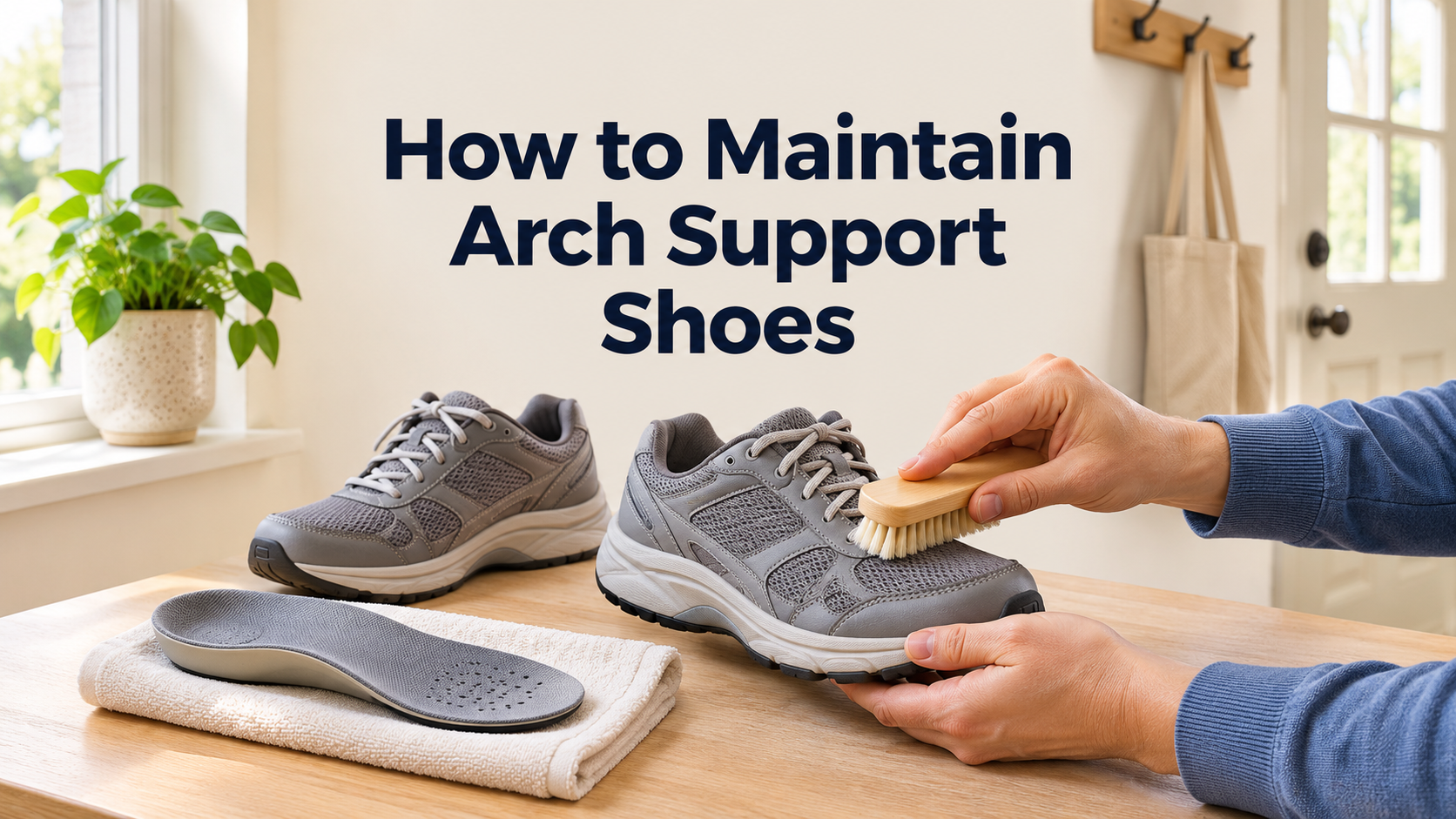
Look for flattened arches, cracked edges, or foam that has compressed. Over-the-counter orthotics commonly last about six to twelve months with regular use. Custom orthotics can last longer but still need periodic review.
Step 7: Try a Different Height, Firmness, or Length
A lower arch, softer material, or 3/4 length design can solve discomfort for many people. Moving to a gentler option is often better than pushing through with something too aggressive.
Step 8: Return to Your Clinician
If your orthotics were custom-made, take them back. Adjustments such as smoothing an edge, changing the material, adding a cushioning layer, or reshaping the arch are routine and usually quick.
Features of Comfortable Orthotics
- An arch height that matches your foot, not the highest available option.
- A balance of support and cushioning, especially for long days on hard floors.
- A deep, well-shaped heel cup that keeps the foot centred.
- A breathable, moisture-wicking top cover.
- Smooth, finished edges with no rough seams.
- The right length for the shoe, full-length or 3/4.
- Trim-to-fit guidance if the orthotic is meant to be cut.
Custom Orthotics vs. Over-the-Counter: Which Is More Comfortable?
Neither type is automatically more comfortable. Ready-made insoles suit many feet and cost less, but they follow an average shape, so some people find the arch height or heel cup wrong. Custom orthotics match your foot more closely, but they can be firmer and may need a break-in and one or two adjustments. Comfort depends on matching the type, firmness, and shoes to your feet and your daily activity.
Mistakes That Make Orthotics Uncomfortable
- Wearing them all day from the first day
- Putting them on top of the shoe’s original insole
- Wearing them in shoes that are too tight, shallow, or flimsy
- Choosing the highest arch because it sounds more supportive
- Ignoring redness, blisters, or numbness
- Continuing to use worn-out orthotics
- Never returning to the provider when problems persist
When to See a Professional
Arrange a visit with a podiatrist, physical therapist, or the clinician who made your orthotics if:
- Pain is sharp, burning, or getting worse over two weeks
- You notice numbness, tingling, swelling, or skin damage
- You have diabetes, poor circulation, or reduced feeling in your feet
- New pain appears in the knees, hips, or lower back
- Discomfort continues after you have tried different shoes, socks, and a gradual schedule
- The orthotics were comfortable before and have gradually become painful
Frequently Asked Questions
Why are my orthotics comfortable at first but painful later in the day?
Common reasons are feet swelling during the day, muscle fatigue, heat and moisture, and a break-in that was too fast. A slightly roomier shoe and a shorter wearing schedule often help.
How long should it take to get used to orthotics?
Most people adapt within one to two weeks, though some need longer. Discomfort should steadily improve rather than build.
Is it normal for orthotics to hurt?
Mild awareness and tired arches are normal early on. Sharp pain, burning, numbness, or pain that worsens is not, and it is a reason to change something.
Why do my feet hurt after taking my orthotics out?
Feet can feel odd or sore after a period of support, since the muscles have been working in a different way. This usually settles as you adapt. If the soreness lingers, discuss it with a professional.
Can orthotics cause knee or back pain?
Because they change foot position, orthotics can affect the joints above. New knee, hip, or back pain after starting orthotics deserves a professional review.
Should I wear orthotics all day?
Eventually, many people do, but not at the start. Build up gradually, and follow your clinician’s advice if the orthotics were prescribed.
When should I replace my orthotics?
Replace them when they look flattened, cracked, or compressed, or when comfort has dropped for no other reason. Over-the-counter models often last six to twelve months.
Final Thoughts
Orthotics that become uncomfortable after wearing are rarely a lost cause. The pattern of discomfort, when it starts, where it hurts, and how it changes, usually points to a specific fix: a slower break-in, a better-fitting shoe, a lower arch, or a replacement for a worn-out insert.
Work through the steps in order, make one change at a time, and give each change a few days. If discomfort continues, a professional assessment can save time and prevent bigger problems. The goal is orthotics that you hardly notice, in shoes that let them work properly, from morning until night.