



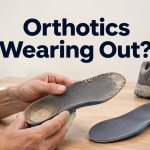


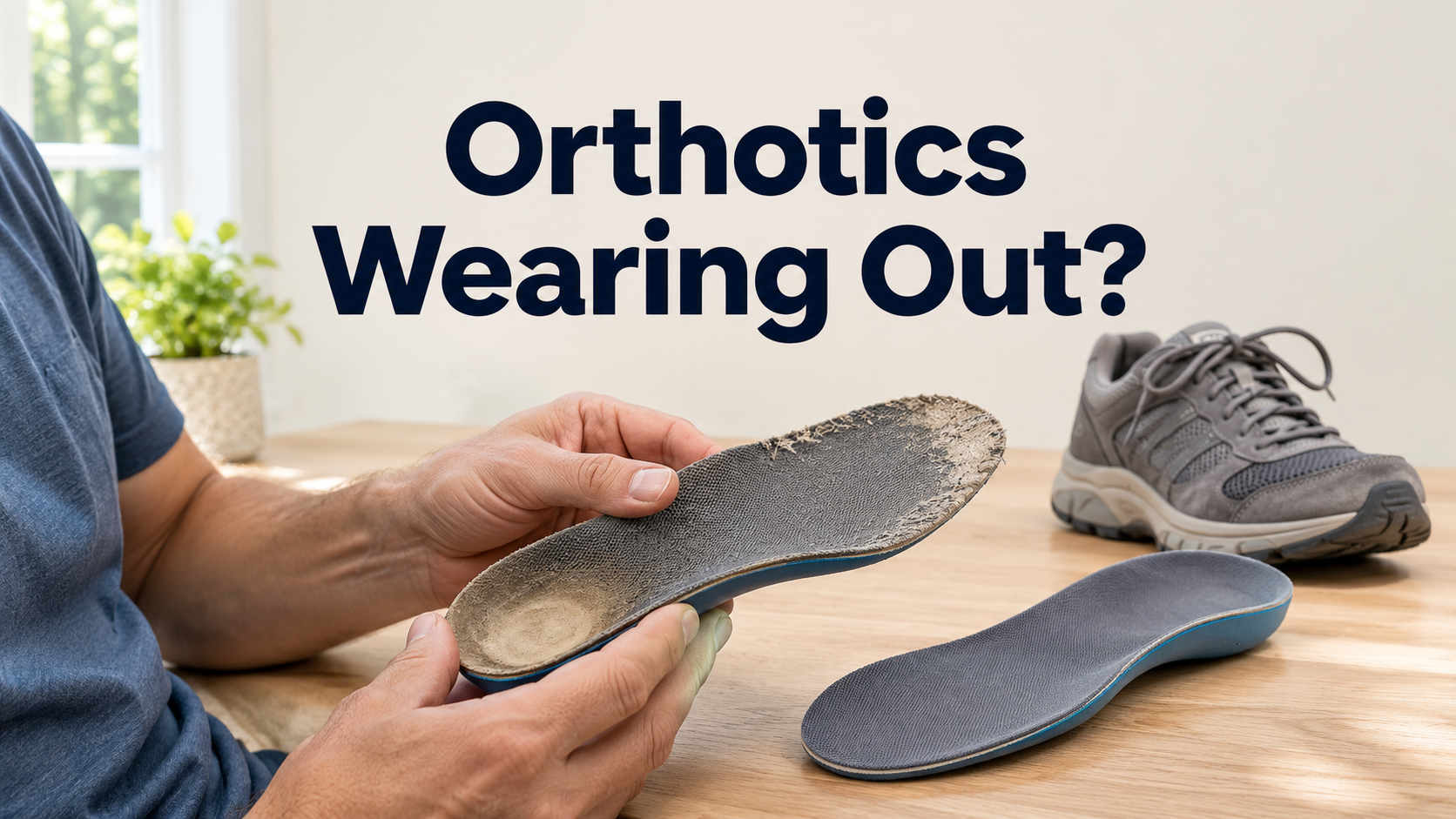
You slip your orthotics into your shoes every morning without a second thought. Then one day your arches start aching again, your heels feel unsupported, or you spot a crack running across the heel cup. That is usually the moment the question pops up: are my orthotics wearing out?
The honest answer is that every orthotic wears out eventually. Foam compresses, top covers fray, shells crack, and the support you paid for slowly fades. The tricky part is that this happens gradually, so many people keep wearing worn-out orthotics for months, sometimes years, after they have stopped doing their job.
This guide walks you through exactly how to tell when your orthotics have had their day: the seven clearest warning signs, a quick five-minute home check, realistic lifespans for every type of insert, what you can repair versus replace, and how to choose a better pair next time.
Quick Takeaways
- Store-bought insoles usually last about 3 to 12 months, depending on the type and how hard you use them.
- Custom orthotics often last 1 to 5 years, depending on materials (soft, semi-rigid or rigid) and your activity level.
- The biggest clues are flattened cushioning, cracks, a peeling cover, uneven wear, and old foot pain returning.
- Many custom orthotics can have their top cover or padding replaced, which is often cheaper than a whole new pair. Store-bought insoles cannot be repaired.
- Worn orthotics give less support and cushioning, so it pays to check them regularly rather than waiting for pain.
What Do Orthotics Do, and Why Do They Wear Out?
Orthotics are shoe inserts designed to support the arch, cushion pressure points and improve how your foot moves with each step. Some are firm and corrective (often called functional orthotics), while others are soft and cushioning (often called accommodative orthotics). They range from simple store-bought insoles to custom devices made from a mold, scan or detailed measurements of your feet.
No matter which kind you use, they all face the same enemy: repetition. Most people take thousands of steps every day, and each step sends your body weight through the insert. Over time that causes several kinds of damage:
- Compression: foam and gel layers slowly lose their ability to bounce back and become permanently thinner.
- Friction: your foot and sock rub against the top cover, wearing it thin, especially under the heel and ball of the foot.
- Moisture and heat: sweat, humid shoes and hot cars break down adhesives and materials faster.
- Material fatigue: plastic and carbon shells flex thousands of times and can eventually crack or lose their stiffness.
In short, wear is normal and expected. The goal is to notice it before it starts costing you comfort and support.
7 Warning Signs Your Orthotics Are Wearing Out
Look for the signs below. Seeing one of them is a reason to take a closer look. Seeing several at once is a strong hint that it is time for a repair or replacement.
1. Flattened or Compressed Cushioning
Cushioning is the first thing to go. Brand-new foam, gel or cork pushes back when you press on it. Worn cushioning feels dead: it stays dented, looks noticeably thinner than it used to, or has a shiny, flattened patch where your heel and forefoot land. If you can feel the hard shell or the shoe’s insole underneath, the padding has effectively bottomed out.
2. Cracks, Splits or Holes
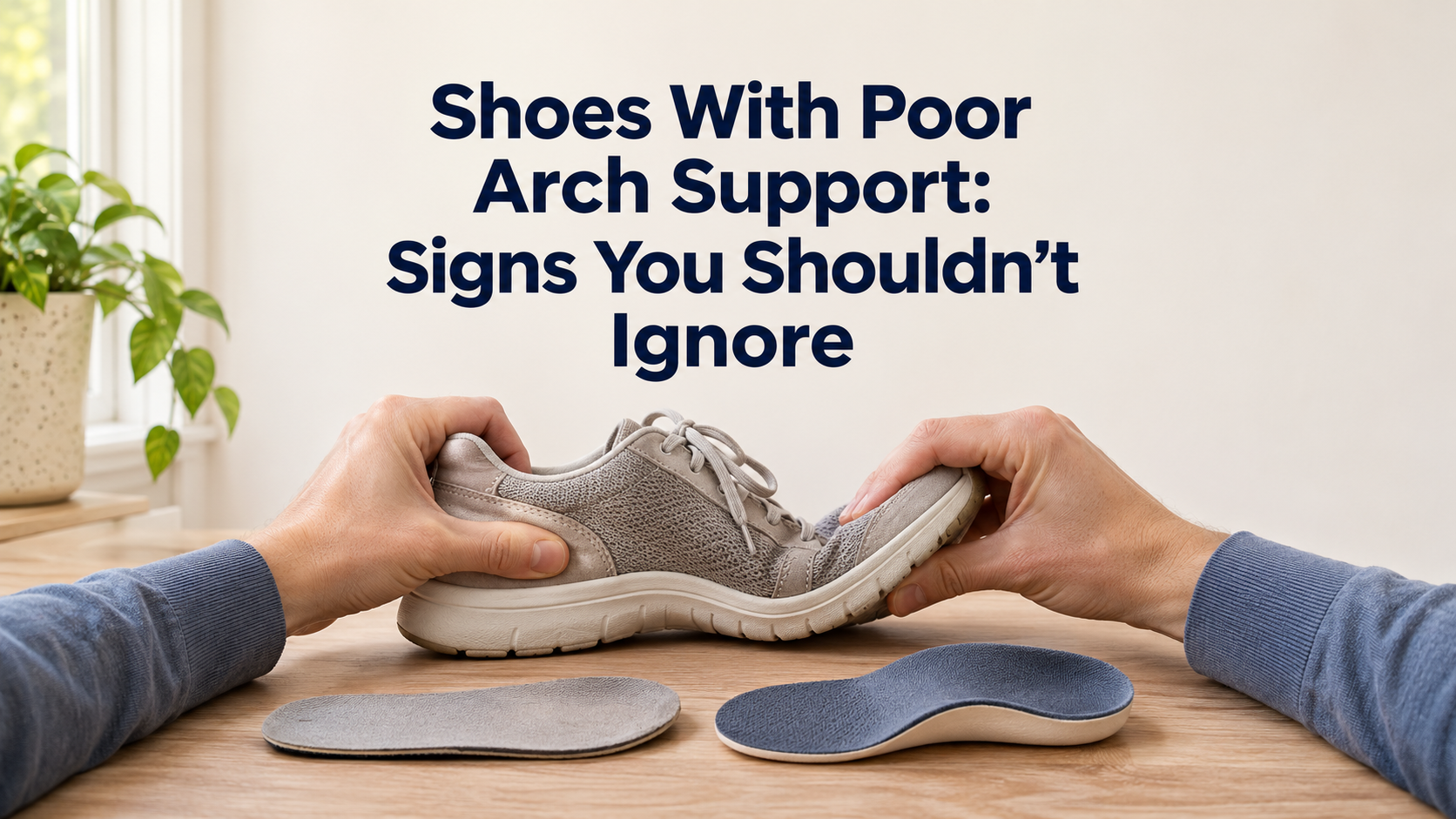
Cracks in a plastic or carbon shell, splits in foam, or small holes worn through at the heel are clear signs of material failure. A cracked shell no longer holds your foot in the shape it was designed for and can create sharp edges or pressure points. Hairline cracks matter too, because they tend to spread with every step.
3. A Peeling, Thin or Torn Top Cover
The top cover is the part your foot actually touches. When it peels at the edges, bunches up, wears through or turns very thin, it can cause friction, blisters and hot spots. On custom orthotics this is one of the most common issues, and it is often fixable without replacing the whole device.
4. Uneven or Excessive Wear Patterns
Some wear is normal, especially at the heel and under the ball of the foot. But if one orthotic is clearly more worn than the other, or one side of the heel is chewed up while the rest looks fresh, that tells you something about the way you walk or the shoes you wear. Compare both inserts side by side and check the soles of your shoes too. Lopsided wear on both can point to a fit problem, a gait change or worn-out shoes that need attention as well.
5. They No Longer Fit or Feel Right
Pay attention to how your orthotics behave inside the shoe. Warning signs include:
- Edges that curl up or no longer lie flat
- Sliding or shifting around when you walk
- Squeaking, clicking or creaking that was not there before
- A heel cup that no longer holds your heel securely
- A general feeling that the support has “gone soft” or disappeared
6. Your Old Symptoms Are Coming Back
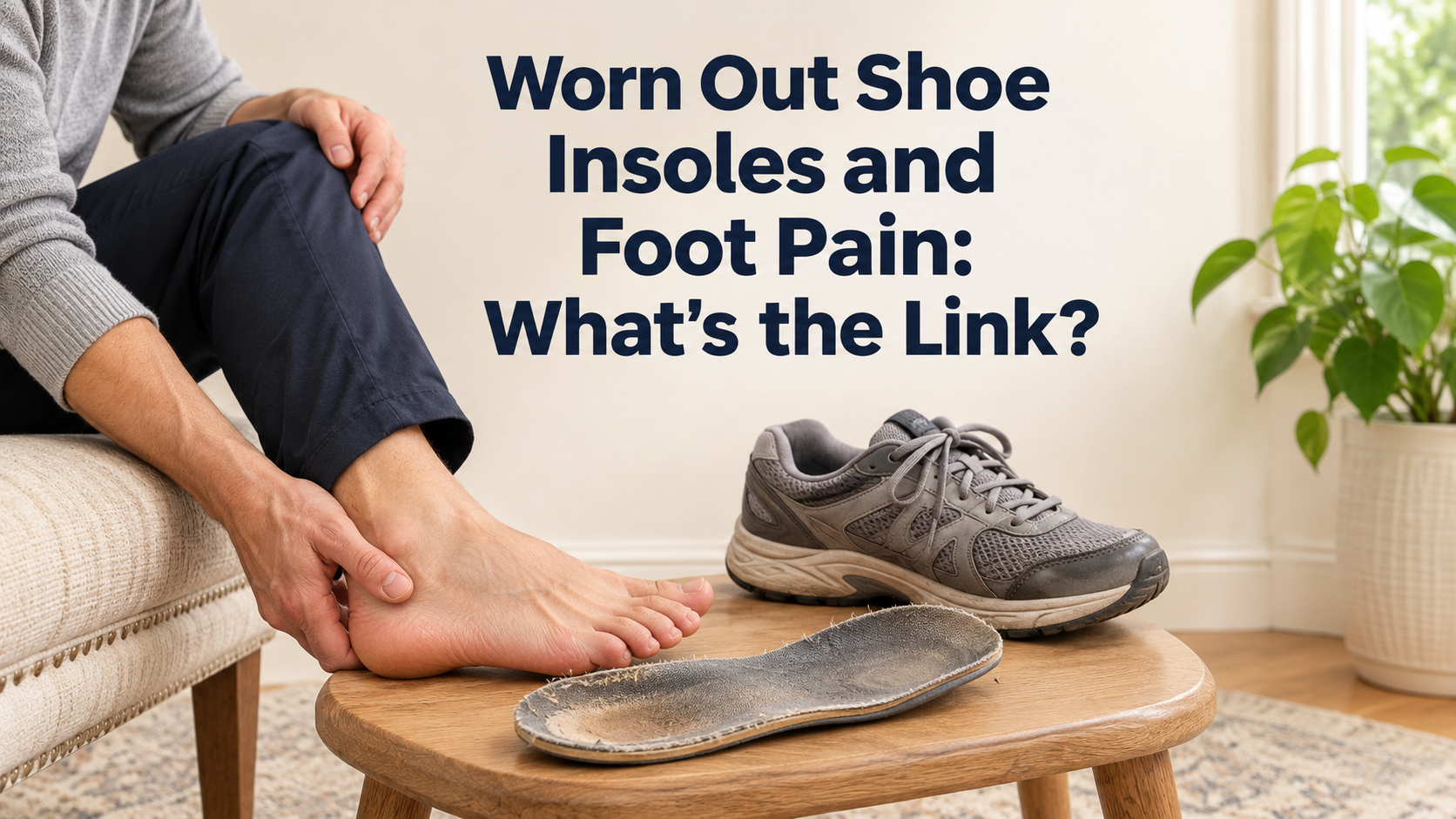
Many people wear orthotics to manage heel pain, arch strain, forefoot soreness, or the knee, hip and lower back aches that can follow poor foot mechanics. If those familiar aches creep back and you haven’t changed your shoes or activity, worn orthotics are a likely suspect. Keep in mind that other causes exist, such as a new injury or changes in your body, so persistent pain deserves a professional opinion rather than guesswork.
7. Odor, Moisture Damage or Skin Irritation
A stubborn smell that does not go away after cleaning, visible stains, a sticky or crumbling surface, or new blisters, rashes and calluses can all mean the materials are breaking down. Damp, degraded inserts can also hold bacteria and fungus, which is not something you want against your skin all day.
Your 5-Minute At-Home Orthotic Check
- Press test: push your thumb into the heel and forefoot padding. It should spring back quickly. A slow or incomplete rebound means the cushioning is spent.
- Flat surface test: place the orthotic on a table. It should rest steadily without rocking, twisting or curling at the edges.
- Light test: hold it up to a window. Very thin, see-through patches in the heel or forefoot show where material has worn away.
- Flex test: gently flex the device. A shell that feels floppy, or one that makes cracking sounds, has lost its strength.
- Shoe test: look at the soles and inside of your shoes. Worn shoes can ruin the performance of even a perfect orthotic.
Pro tip: take a photo of your orthotics when they are new and again every few months. Side-by-side comparisons make slow changes much easier to spot.
How Long Do Orthotics Last?
There is no single number that fits everyone. The lifespan of an orthotic depends on its materials, how much you use it, your body weight and the kind of shoes you wear. The chart and table below show typical ranges you can use as a starting point.
| Orthotic type | Typical lifespan | Usually wears out first | Repairable? |
|---|---|---|---|
| Foam or gel insoles (store-bought) | 3 to 9 months | Cushioning flattens, cover thins | No, replace |
| Arch-support insoles (store-bought) | 6 to 12 months | Arch softens, heel pad compresses | Rarely |
| Soft custom orthotics | 1 to 2 years | Padding and top cover | Often, with a new cover or padding |
| Semi-rigid custom orthotics | 2 to 4 years | Top cover and heel pad | Yes, often |
| Rigid custom orthotics | 3 to 5 years | Cover first, shell fatigue later | Cover yes, cracked shell no |
| Children’s custom orthotics | 1 to 2 years | Outgrown before they wear out | Usually replaced as the child grows |
Runners and people who stand on hard floors all day often replace their inserts on a schedule similar to their shoes, because the repeated impact wears cushioning faster. Treat the ranges above as a guide, not a guarantee, and let the condition of your own pair have the final say.
What Makes Orthotics Wear Out Faster?
- Body weight and impact: more force per step compresses materials faster.
- Activity level: running, jumping, hiking and long shifts on concrete are hard on inserts.
- Worn or unsuitable shoes: loose, flimsy or collapsed shoes let the orthotic twist and flex in ways it was never designed for.
- Sweat and moisture: damp inserts break down faster and can smell.
- Heat: radiators, dryers and hot car interiors can warp and weaken materials.
- Wearing one pair every single day: inserts need time to dry and recover between uses.
- Poor trimming or fit: cut-to-fit insoles that are trimmed badly can buckle and fail early.
- Low-quality materials: thin, low-density foam compresses much sooner than dense, resilient materials.
What Happens If You Keep Wearing Worn-Out Orthotics?
Worn orthotics won’t usually cause sudden harm, but they can quietly stop protecting you. Here is what can happen when you keep using them past their prime:
- Less shock absorption, which means more impact travelling up through your feet, knees and back.
- Loss of arch and heel support, so your feet may drift back toward the patterns the orthotics were meant to correct.
- A return of pain, such as heel pain, arch strain or forefoot soreness.
- Friction problems like blisters, calluses and skin irritation from rough or torn covers.
- Compensation movements, where your body adjusts its stride to cope with uneven support.
Also remember that your feet can change. Weight gain or loss, pregnancy, injury, surgery and simply getting older can alter the way your feet need to be supported. An orthotic that still looks fine might no longer be the right match for you.
Repair or Replace? How to Decide
The right move depends on which part is worn and what type of orthotic you have.
| Situation | Best option |
|---|---|
| Custom orthotic, shell intact but top cover worn or peeling | Repair with a new top cover through your provider or lab |
| Custom orthotic, heel or forefoot padding flattened | Ask about replacing the padding |
| Shell cracked, warped or broken | Replace |
| Store-bought insole is compressed, cracked or smelly | Replace |
| Your feet, weight or activity level have changed | Get re-assessed, likely a new pair |
| Past the typical lifespan and symptoms are returning | Have them checked, then replace |
Skip the DIY Glue Repair
It is tempting to patch a cracked orthotic with superglue or tape. Unfortunately, this can change the shape of the device, create hard lumps under your foot and cause new pressure points. For shells and structural parts, leave repairs to the professional or lab that made them.
How to Make Your Orthotics Last Longer
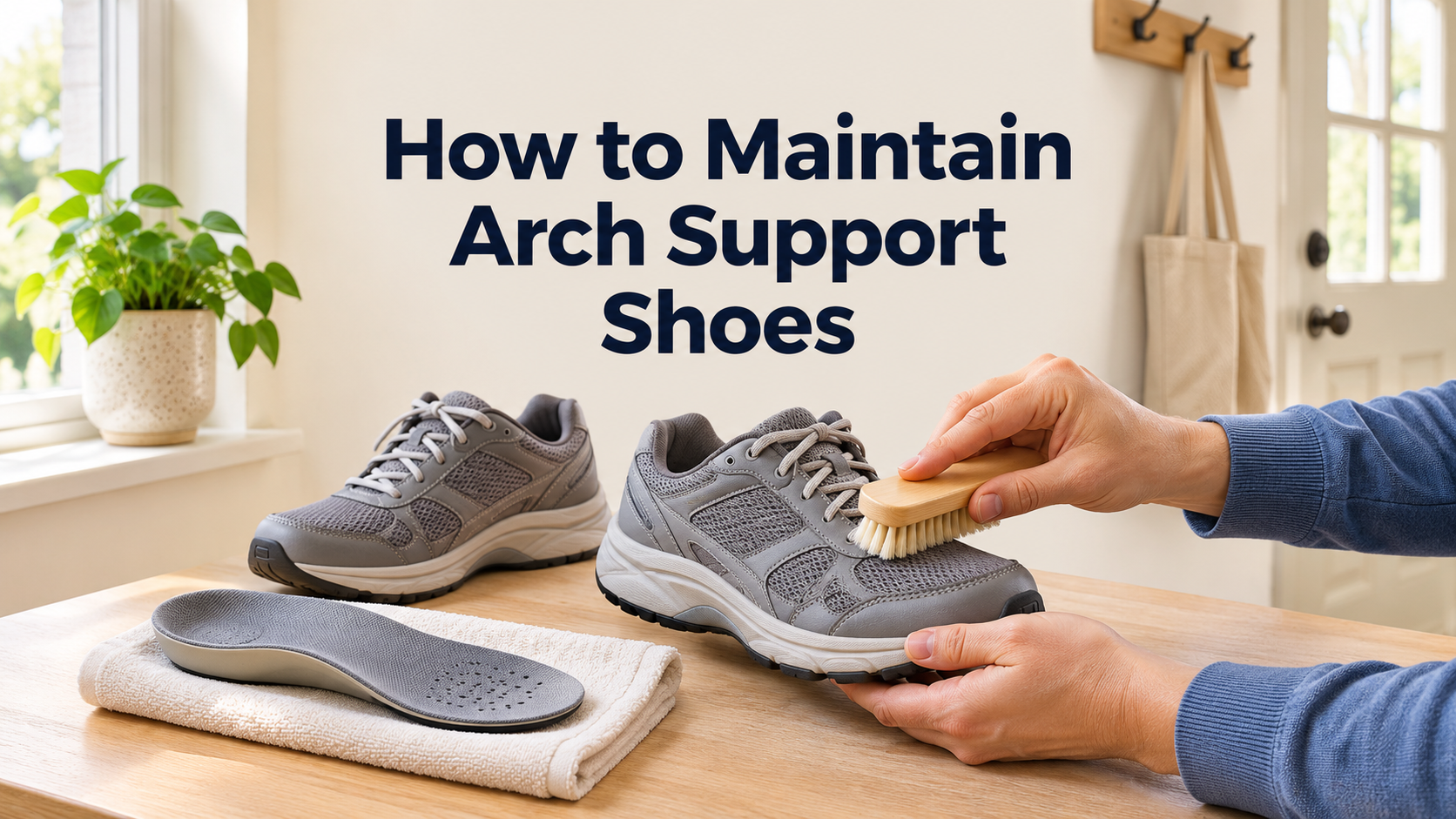
You can’t stop wear completely, but a few simple habits can add months, or even years, to the life of your orthotics.
A few extra tips worth adding to your routine:
- Take your orthotics out of your shoes at night so both can dry properly.
- Do not trim, bend or heat custom orthotics unless your provider tells you to.
- Wear socks. They reduce friction and soak up sweat before it reaches the cover.
- Store them flat, never folded or squashed under heavy items.
- Set a phone reminder for the date you started using them, and review them on that date each year.
- Choose shoes with a removable insole, a firm heel counter and enough depth, so your orthotics sit flat and stable.
How to Choose Your Next Pair of Orthotics or Insoles
If your old pair has worn out, it is a good chance to improve on it. Whether you are buying a store-bought insole or ordering custom orthotics, keep the following checklist in mind.
Know Your Arch Type
A simple wet footprint test shows whether you have a flat, neutral or high arch. Flat feet usually benefit from firm, structured arch support. High arches often do better with more cushioning and a deeper heel cup that spreads pressure.
Match the Insert to Your Activity
An insole built for running is different from one made for work boots, dress shoes or court sports. Pick one designed for the shoes and activities you do most, and consider keeping a second pair for different shoe types.
Balance Support and Cushioning
Firm inserts control motion and give lasting structure, while soft inserts relieve pressure and absorb impact. Many people need a bit of both, so look for a supportive base with a cushioned top layer.
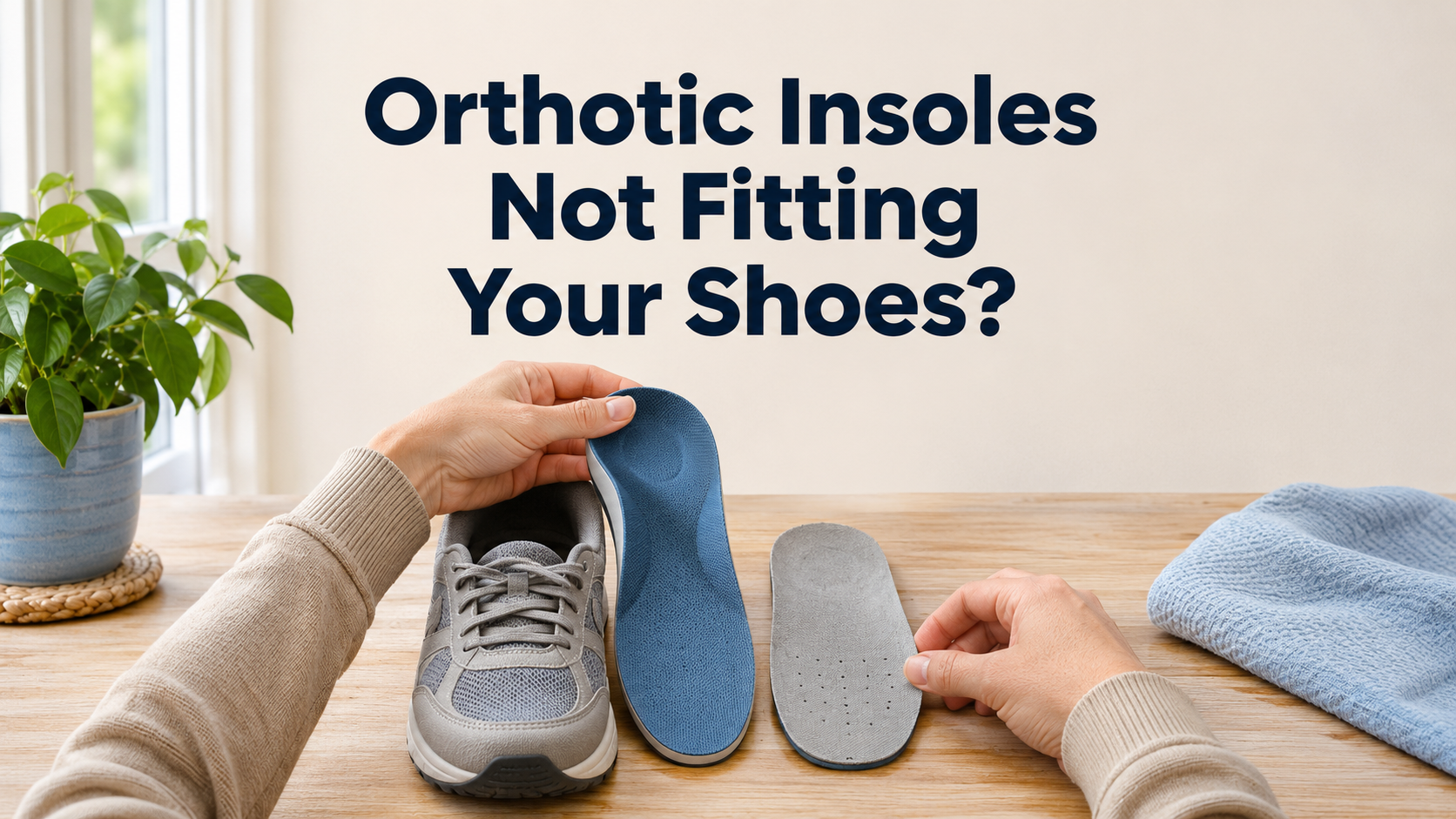
Check the Fit
- Length: full-length inserts suit most athletic and casual shoes, while three-quarter length works well in tighter dress shoes.
- Volume: if your shoe feels tight with the insert in, remove the factory insole or choose a lower-profile model.
- Heel cup: a good heel cup holds your heel in place and keeps the orthotic from sliding.
Look at Durability and Materials
Dense, resilient foams, quality shells and breathable, moisture-wicking top covers generally last longer. Antimicrobial treatments can help with odor. Also check the return policy or satisfaction guarantee, since comfort is personal and you will want a way out if the fit isn’t right.
Think in Cost per Month
A cheaper insole that needs replacing every few months can end up costing more than a sturdier pair that lasts a year or longer. Divide the price by the expected months of use to compare options fairly.
Allow a Break-In Period
New orthotics can feel strange at first. Start by wearing them for one to two hours a day and slowly build up over one to two weeks. Mild awareness of the new support is normal, but sharp pain, numbness or skin damage is not.
When to See a Professional
Book an appointment with a podiatrist, orthotist or other qualified foot-care professional if you notice any of the following:
- Pain that continues for more than a couple of weeks, even after switching to new orthotics
- Sudden swelling, redness, warmth, numbness or tingling in your feet
- Blisters, sores or skin breakdown, especially if you have diabetes, nerve damage or poor circulation
- Pain after a fall, injury or surgery
- A child who complains of foot pain, or who has outgrown their orthotics
If you have diabetes, it is especially important to have your feet and footwear checked regularly, because small problems can turn serious quickly.
Frequently Asked Questions
How do I know if my orthotics are worn out?
Look for flattened cushioning, cracks or holes, a peeling or thin top cover, edges that curl, and the return of the pain they used to relieve. A quick press and flat-surface test at home can confirm it.
How often should orthotics be replaced?
Store-bought insoles are typically replaced every 3 to 12 months. Custom orthotics often last 1 to 5 years depending on the materials and how active you are. Replace sooner if you see damage or your symptoms return.
Is it bad to wear old orthotics?
Old orthotics may not be dangerous, but they can stop giving the support and cushioning you need. This may lead to a return of pain, skin irritation and extra strain on your feet, knees and back.
Can I fix worn-out orthotics myself?
Cleaning and drying them well is fine. Structural repairs with glue or tape are not recommended. For custom orthotics, ask the provider or lab that made them about a new top cover or padding replacement.
Why do my orthotics wear out so quickly?
Common reasons include high daily activity, standing on hard surfaces, higher body weight, wearing the same pair every day, sweat and heat, poor-fitting shoes, and low-density materials.
Is it normal for one orthotic to wear faster than the other?
Yes, to a degree. Most people do not load both feet equally. A large difference, however, is worth mentioning to a professional, as it can point to a gait or alignment issue.
Should I replace my shoes and orthotics at the same time?
Not necessarily, but check both together. Worn shoes can make a good orthotic perform poorly, and a worn orthotic can make good shoes uncomfortable. Many people find it convenient to review both on the same schedule.
Can I wash my orthotics?
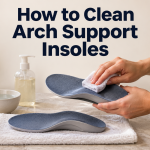
Wipe them with a damp cloth and a little mild soap, rinse the cloth, and let them air dry away from heat. Avoid soaking, machine washing and tumble drying, as they can damage the glue and materials.
Do new orthotics need a break-in period?
Yes. Wear them for short periods at first and gradually increase the time over one to two weeks while your feet adjust.
Final Thoughts
Orthotics are not a lifetime purchase. They work hard with every step, and like running shoes or car tires, they gradually lose their performance. The good news is that the signs are easy to spot once you know what to look for: compressed cushioning, cracks, a worn cover, uneven wear, poor fit, odor, and above all the return of the pain they were meant to prevent.
Do a quick check every month, follow the care habits above, and replace or repair your orthotics before they stop doing their job. A little attention keeps your feet supported, your steps comfortable and your investment working for as long as possible.
Disclaimer: This article is for general information only and is not a substitute for professional medical advice, diagnosis or treatment. Lifespan figures are typical ranges and will vary by person and product. Always follow the guidance of your podiatrist, orthotist or healthcare provider, and seek advice if you have ongoing foot pain or a medical condition that affects your feet.