








Not all flat feet are the same. Two people can both have low arches, yet one may never have a single problem while the other struggles with stiffness and pain. The key difference is often whether the foot is flexible or rigid. Understanding flexible flat feet vs rigid flat feet matters because the two types have different causes, different warning signs, and very different treatment paths.
In this guide, you will learn how each type looks and behaves, what causes them, how to run simple checks at home, when to see a specialist, and what treatment options are available.
What Are Flat Feet?
Flat feet, also called pes planus or fallen arches, describe a foot whose inner arch is low or touches the ground when you stand. Some people are born with low arches, while others develop them later in life because of injury, wear, or other conditions. Many people with flat feet have no symptoms at all.
What really separates one type from another is how the foot behaves when you take weight off it or move it.
What Are Flexible Flat Feet?
A flexible flat foot has a normal-looking arch when it is not bearing weight. When you stand, the arch drops and the foot flattens. When you lift your heels or raise your big toe, the arch often comes back. The joints of the foot still move freely.
- The most common type of flat foot, in children and adults
- Very common in infants and toddlers, whose arches are still developing
- Often runs in families
- Frequently painless, though some people get tired feet, arch or heel pain, or ankle and knee discomfort
- Often linked with overpronation, where the foot rolls inward when walking
What Are Rigid Flat Feet?
A rigid flat foot (sometimes called a stiff or fixed flat foot) has little or no arch whether you sit, stand, or rise on your toes. The joints in the foot and ankle do not move normally, so the arch cannot form even when weight is removed.
- Much less common than flexible flat foot
- More likely to cause pain, stiffness, and a limited range of movement
- Often linked with a structural cause such as joint fusion, arthritis, or injury
- Can affect one foot or both feet
- Sometimes noticed during the teen years or later in adulthood
Flexible vs Rigid Flat Feet: Side-by-Side Comparison
| Feature | Flexible flat foot | Rigid flat foot |
|---|---|---|
| Arch when sitting | Visible | Flat or very low |
| Arch when standing | Flattens | Flat |
| Arch on tiptoes | Usually reappears | Stays flat |
| Joint movement | Normal or increased | Limited and stiff |
| How common | Very common | Uncommon |
| Pain | Often none, or mild with long use | More likely, especially with activity |
| Typical causes | Natural arch shape, loose ligaments, weak muscles, weight, tendon problems | Joint fusion, arthritis, injury, birth conditions, nerve or muscle disorders |
| Usual approach | Monitor, supportive shoes, insoles, exercises | Specialist assessment and cause-specific treatment |
What Causes Each Type?
Causes of Flexible Flat Feet
- Natural foot shape: Some people simply have low arches, and it runs in the family.
- Loose ligaments: Naturally flexible joints allow the arch to drop under load.
- Weak foot and ankle muscles: They have less ability to hold the arch up.
- Tight calf muscles: These can pull the foot into a flatter position.
- Extra body weight, pregnancy, and aging: All can increase the load on the arch.
- Tendon problems: When the main tendon supporting the inner arch weakens or becomes irritated, the arch can slowly drop in adulthood.
Causes of Rigid Flat Feet
Because the causes of a rigid flat foot are often structural, it is important to identify which one is present. Treatment depends entirely on the cause.
Can a Flexible Flat Foot Become Rigid?
Sometimes, yes. In adults, a flexible flat foot that develops because of long-term tendon dysfunction may gradually stiffen as the joints adapt to the new position and wear over time. Early signs include inner ankle pain or swelling and an arch that is slowly lowering. This is a good reason not to ignore new pain or changes in foot shape, especially if only one foot is affected.
Simple Tests You Can Try at Home
These checks give you a rough idea of which type you may have. They are not a diagnosis.
Test 1: Sit and Stand Check
Sit with your feet hanging freely and look at the inner arch. Then stand and look again. If an arch is visible when sitting and disappears when standing, that points to a flexible foot. If it is flat both times, a rigid foot is possible.
Test 2: Big Toe Raise Test
Stand barefoot and have someone gently lift your big toe upward, or lift it yourself while keeping the foot flat on the floor. In a flexible flat foot, the arch usually rises as the toe is raised. In a rigid foot, the arch usually does not change.
Test 3: Heel Rise Test
Stand with your back to a mirror or ask someone to look at your heels from behind. Rise onto your toes. In a flexible flat foot, the heels usually straighten or turn slightly inward and an arch appears. If the heels stay tilted outward and the arch stays flat, the foot may be rigid.
Test 4: Joint Movement Check
While seated, gently try to move the heel side to side. A rigid foot often feels stuck and may be uncomfortable. Do not force the movement.
How Doctors Diagnose the Difference
- History and symptoms: When the flatness started, whether it is painful, and whether one or both feet are affected.
- Physical exam: Looking at the foot while sitting, standing, walking, and rising on tiptoes, and testing joint movement.
- Gait observation: Watching you walk to see how the foot and ankle move.
- X-rays: To look at bone alignment while bearing weight.
- CT or MRI scans: Used when a structural problem such as joint fusion or tendon damage is suspected.
Treatment for Flexible Flat Feet
If a flexible flat foot is not causing pain, it often needs no treatment. When symptoms are present, the usual options are conservative:
- Supportive footwear: Shoes with a firm heel, good midfoot support, and a stable base.
- Arch supports or orthotics: Over-the-counter or custom insoles can improve comfort and help control inward rolling.
- Strengthening exercises: Short foot exercises, heel raises, balance work, and hip strengthening.
- Stretching: Particularly for tight calves and the Achilles tendon.
- Activity changes and weight management: Reduce overload and increase activity gradually.
- Surgery: Rarely needed, and considered only if pain remains despite good conservative care.
Treatment for Rigid Flat Feet
Treatment depends on the cause, so a proper diagnosis comes first. Options may include:
- Activity modification and supportive footwear to reduce stress on the stiff joints.
- Custom orthotics or shoe padding to improve comfort rather than force the arch up.
- Immobilization: A boot or cast for a short time can calm pain and swelling.
- Anti-inflammatory measures: Medication or injections, as advised by a doctor.
- Physical therapy: To maintain as much movement and strength as possible.
- Surgery: May be recommended for conditions such as tarsal coalition or advanced arthritis, especially when pain does not respond to other treatment.
Avoid trying to stretch or force a stiff foot into position on your own, as this can make pain worse.
Flat Feet in Children vs Adults
Children: Flexible flat feet are very common in babies and young children, because arches develop gradually over the early years. Most are painless and need no treatment. See a doctor if a child has foot pain, limping, a stiff foot, an arch that does not appear when sitting or on tiptoes, or if only one foot is affected.
Adults: Many adults have lifelong flexible flat feet with no trouble. A newly flattening arch, new pain, or swelling at the inner ankle is a reason to be checked, since it can signal a tendon or joint problem.
Choosing Shoes for Either Type
- Pick shoes with a firm heel counter and a sole that does not fold or twist easily.
- Choose a shape that fits your foot, with a thumb’s width of space at the toes.
- Look for a removable insole so you can use arch supports or orthotics.
- For a rigid foot, prioritize cushioning and comfort over trying to lift the arch.
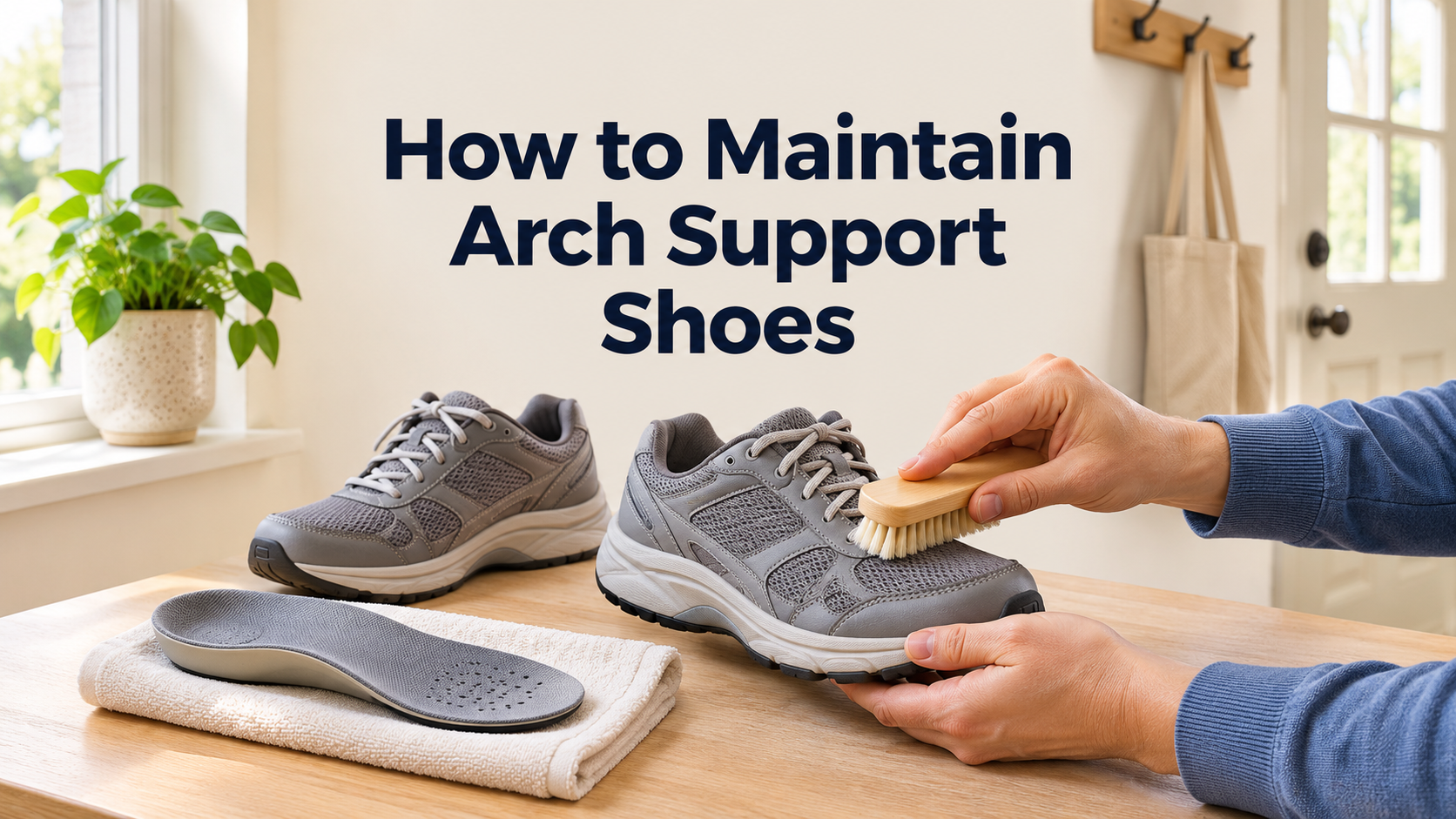
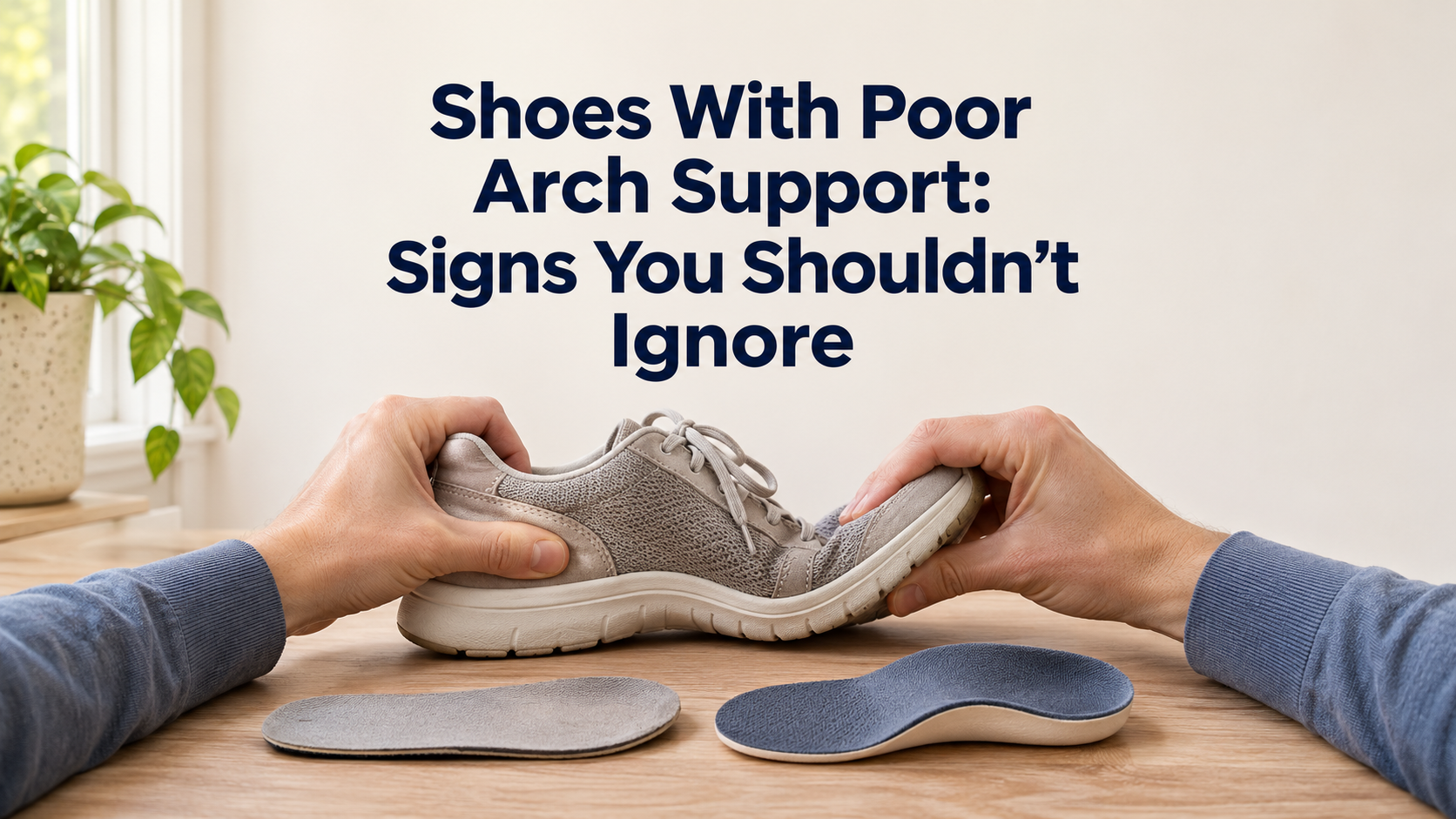
- Replace shoes when the inner midsole collapses or the heel wears unevenly.
When to See a Doctor or Podiatrist
- Pain in the arch, heel, ankle, or inner foot that does not settle
- A foot that feels stiff or “stuck” in one position
- Only one foot becoming flatter, or a sudden change in arch height
- Swelling or redness around the inner ankle
- Frequent ankle sprains or difficulty walking on uneven ground
- Foot pain in a child, or a child who limps or avoids activity
- Diabetes, circulation problems, numbness, or tingling alongside foot pain
Frequently Asked Questions
Which is worse: flexible or rigid flat feet?
Rigid flat feet are more likely to cause pain and need investigation. Flexible flat feet are common and often cause no problems, although they can be uncomfortable for some people.
Can rigid flat feet be fixed?
It depends on the cause. Some conditions can be treated with orthotics, rehabilitation, or surgery. A specialist can explain what is realistic in your case.
Do flexible flat feet need treatment?
Not if they cause no pain or problems. If they do, supportive shoes, insoles, and exercises help most people.
Can flexible flat feet turn into rigid ones?
In some adults, long-standing tendon dysfunction may cause the foot to become stiffer over time. That is why new pain or a changing arch should be checked.
Are flat feet hereditary?
Often, yes. Arch shape tends to run in families, especially in flexible flat feet.
Can I tell which type I have by myself?
Home tests can give clues, but only a professional exam can confirm the type and find the cause.
Final Thoughts
The difference between flexible and rigid flat feet comes down to movement. If your arch appears when you sit or lift your toe, your foot is probably flexible, and the outlook is usually good with supportive shoes, exercises, and common-sense care. If your arch stays flat in every position, or the foot feels stiff and painful, it is worth getting it checked so the cause can be found and treated properly. Knowing which type you have is the first step toward the right care for your feet.
Disclaimer: This article is for general information only and is not medical advice. If you have foot pain or health concerns, please consult a qualified healthcare professional.