





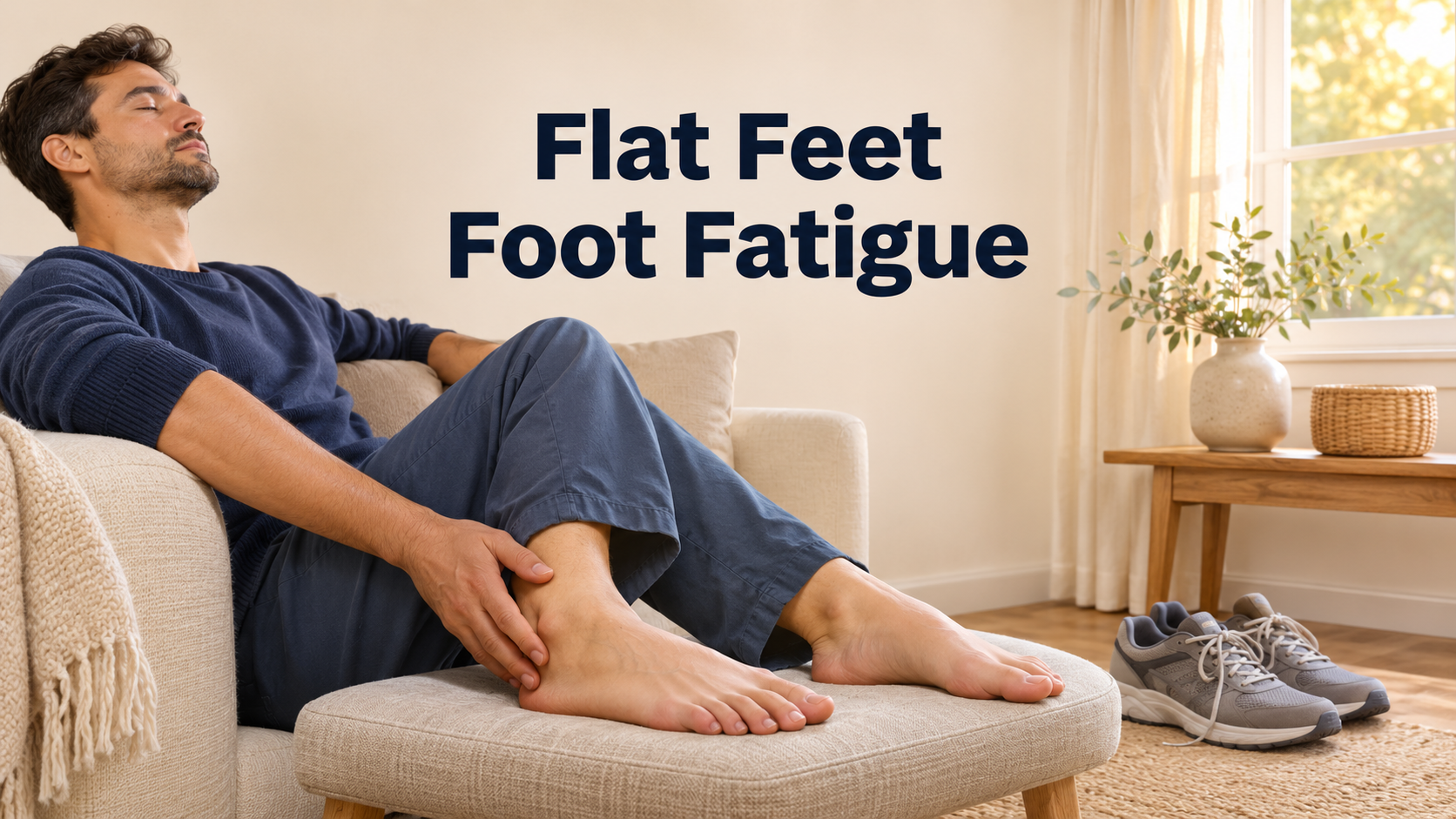
By mid-afternoon your feet feel heavy. By evening, they ache so much that all you want to do is sit down and put them up. If you have flat feet, this kind of foot fatigue may sound very familiar. You are not imagining it, and you are not “just out of shape.” A low arch can make your feet and legs work harder than they should with every single step.
In this guide, you will learn why flat feet tire so quickly, what foot fatigue feels like, what makes it worse, and the practical steps that can bring real relief, including shoes, insoles, exercises, daily habits, and when to ask a professional for help.
Why Do Flat Feet Get Tired So Easily?
Your arch works like a flexible spring. When your foot lands, the arch gives a little to absorb impact, and as you push off, it stiffens to turn your foot into a firm lever. With a low arch, this system is less efficient. The foot tends to roll inward, the arch stretches further, and the muscles and tendons that normally share the load have to work harder to keep your foot steady.
Imagine holding a light weight at arm’s length. It feels easy at first, but after a while your arm starts to burn. Your feet are doing something similar. A little extra effort on every step becomes a lot of effort over thousands of steps in a day.
What Does Foot Fatigue Feel Like?
Foot fatigue shows up differently from person to person. Common feelings include:
- A deep, dull ache in the arch or along the inside of the foot
- Burning or pressure under the ball of the foot
- Heaviness or “dead” feeling in the feet and legs
- Cramping in the arch or calves, especially in the evening
- Sore heels after standing or walking
- Feet that feel better after sitting down or taking off your shoes
- Mild puffiness at the end of the day
- Tired shins, knees, hips, or lower back after long periods on your feet
Main Causes of Foot Fatigue With Flat Feet
1. Overpronation
Many people with flat feet roll their feet inward too much when they walk. This puts extra strain on the arch and the inner ankle, and the muscles tire sooner as they try to control the movement.
2. Long Hours Standing or Walking
Jobs in retail, healthcare, teaching, hospitality, and factories involve many hours on your feet, often on hard floors. Without breaks, tired muscles lose their ability to support the arch.
3. Hard Surfaces
Concrete, tile, and stone floors give no cushioning. Your feet absorb all the shock, which adds to fatigue.
4. Unsupportive or Worn-Out Shoes
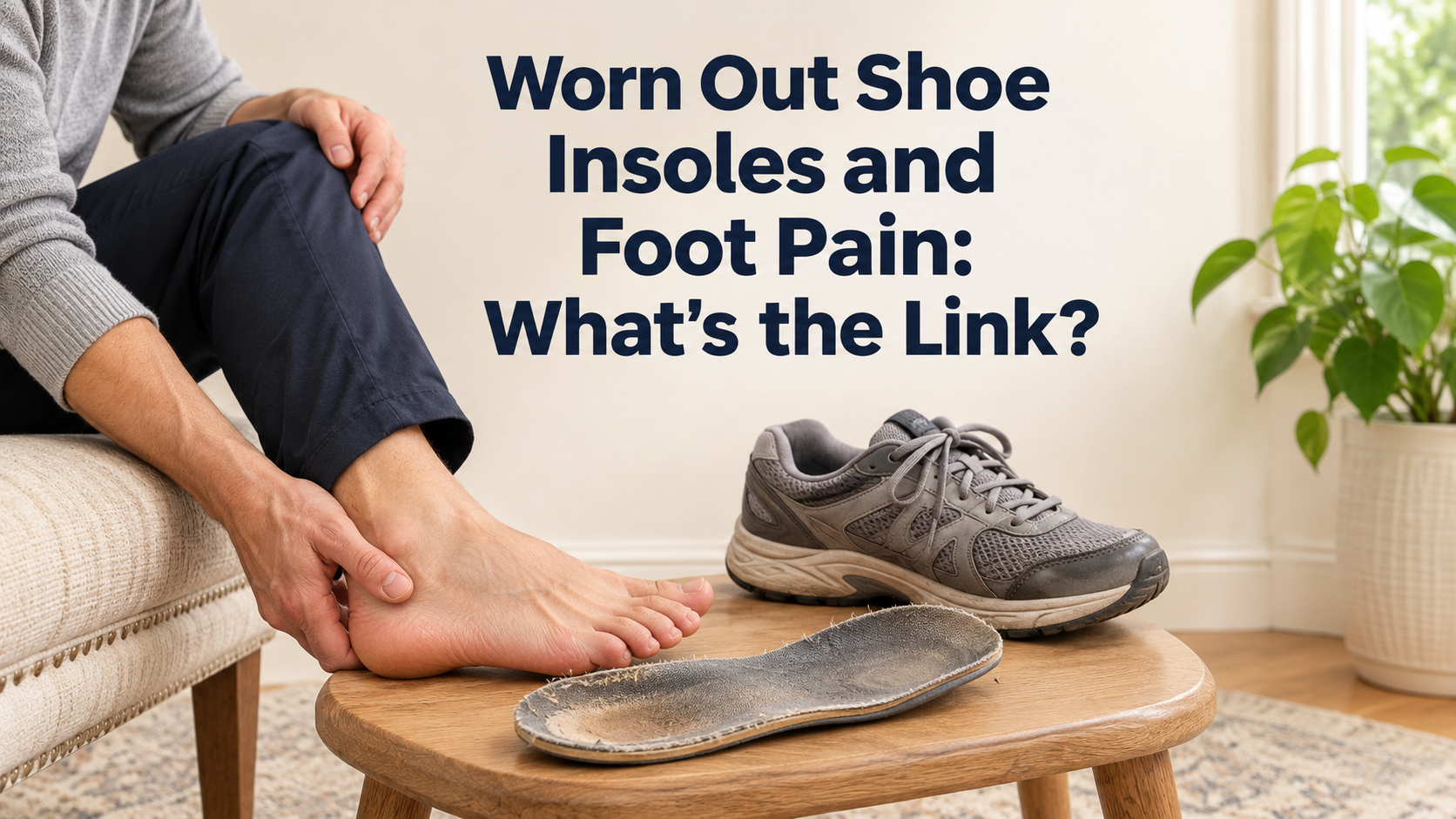
Thin, flat, or very soft shoes offer little guidance for a low arch. Shoes that have lost their cushioning and shape leave your feet to do all the work.
5. Weak Foot and Hip Muscles
Muscles that hold the arch and control the leg may not be strong enough to cope with a full day’s load, so they tire early.
6. Tight Calf Muscles
Tight calves restrict ankle movement and can increase inward rolling of the foot, adding to the strain on the arch.
7. Extra Body Weight
More weight means more force through each foot with every step, so fatigue builds faster.
8. Sudden Increases in Activity
A long day of sightseeing, a new job, or a sudden jump in exercise can overwhelm feet that are not used to it.
9. Other Health Factors
Tired, heavy legs can also be linked to circulation problems, nerve conditions, pregnancy, certain medications, or other health issues. If your fatigue seems out of proportion to your activity, mention it to a doctor.
How to Relieve Tired, Aching Flat Feet
Right Now: Quick Relief After a Long Day
- Take the weight off. Sit down and raise your feet above heart level for 10 to 15 minutes if you can.
- Gently massage your feet. Use your thumbs along the arch, heel, and ball of the foot, with light to moderate pressure.
- Roll the arch. Roll a tennis ball, massage ball, or a chilled water bottle under the foot for a minute or two per side.
- Try a warm foot soak. A comfortable, not hot, soak can feel soothing. Skip this if you have reduced feeling in your feet or diabetes, since it is harder to notice if the water is too hot.
- Use a cold pack on sore spots. Wrap it in a cloth and apply it for 10 to 15 minutes if it gives relief.
- Swap into supportive footwear. Walking barefoot on hard floors at home can make an already tired arch worse.
Choose the Right Shoes
- Firm, cupped heel: Gives stability when your foot lands.
- Cushioned but supportive midsole: Too soft can be as bad as too hard, since the foot sinks and rolls inward.
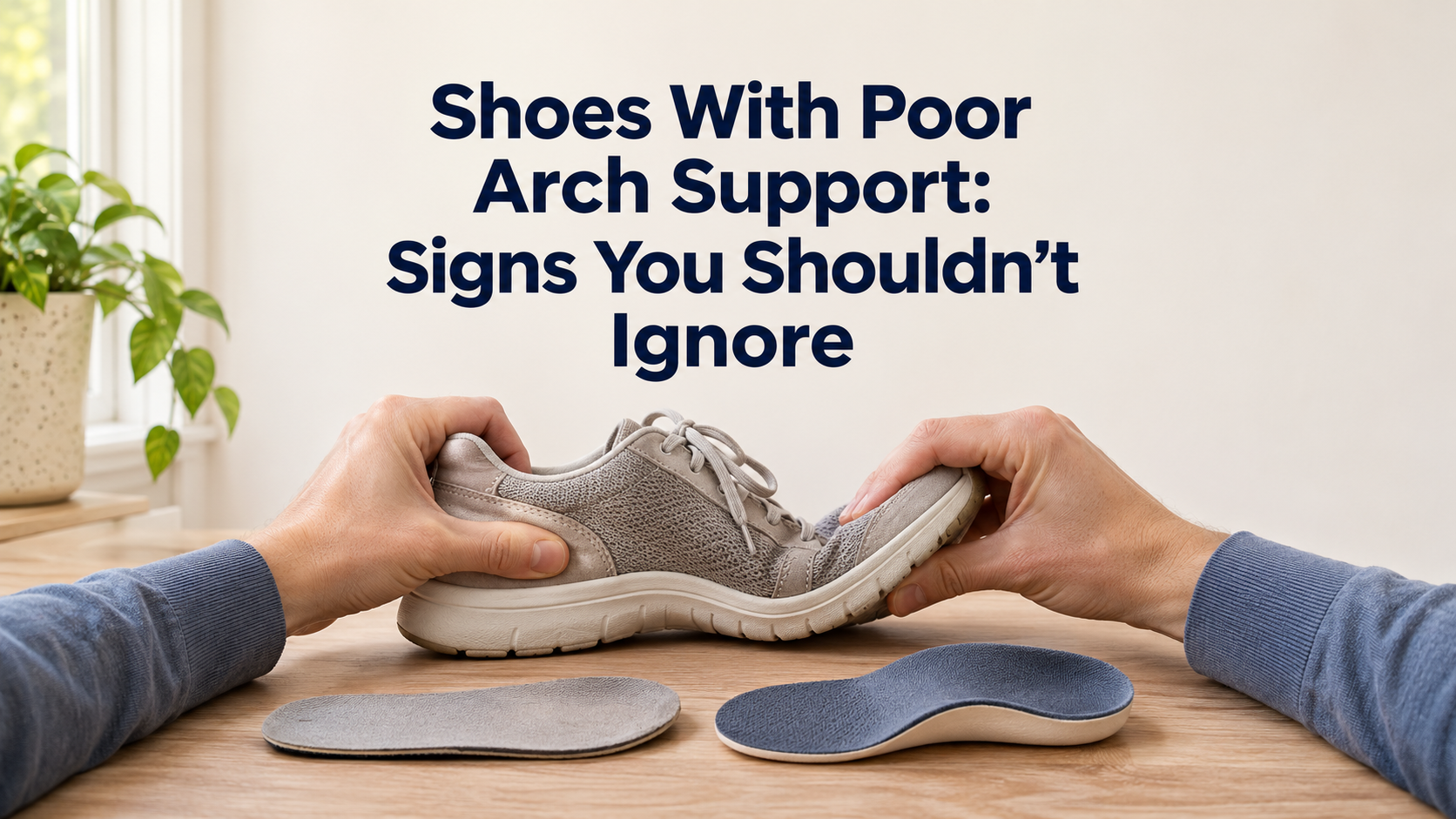
- Midfoot support: The shoe should not twist or fold in the middle.
- Removable insole: Lets you add arch support or orthotics.
- Roomy toe box: Toes should spread without being squeezed, with about a thumb’s width in front.
- Try them late in the day: Feet swell slightly, so afternoon fitting gives a more realistic size.
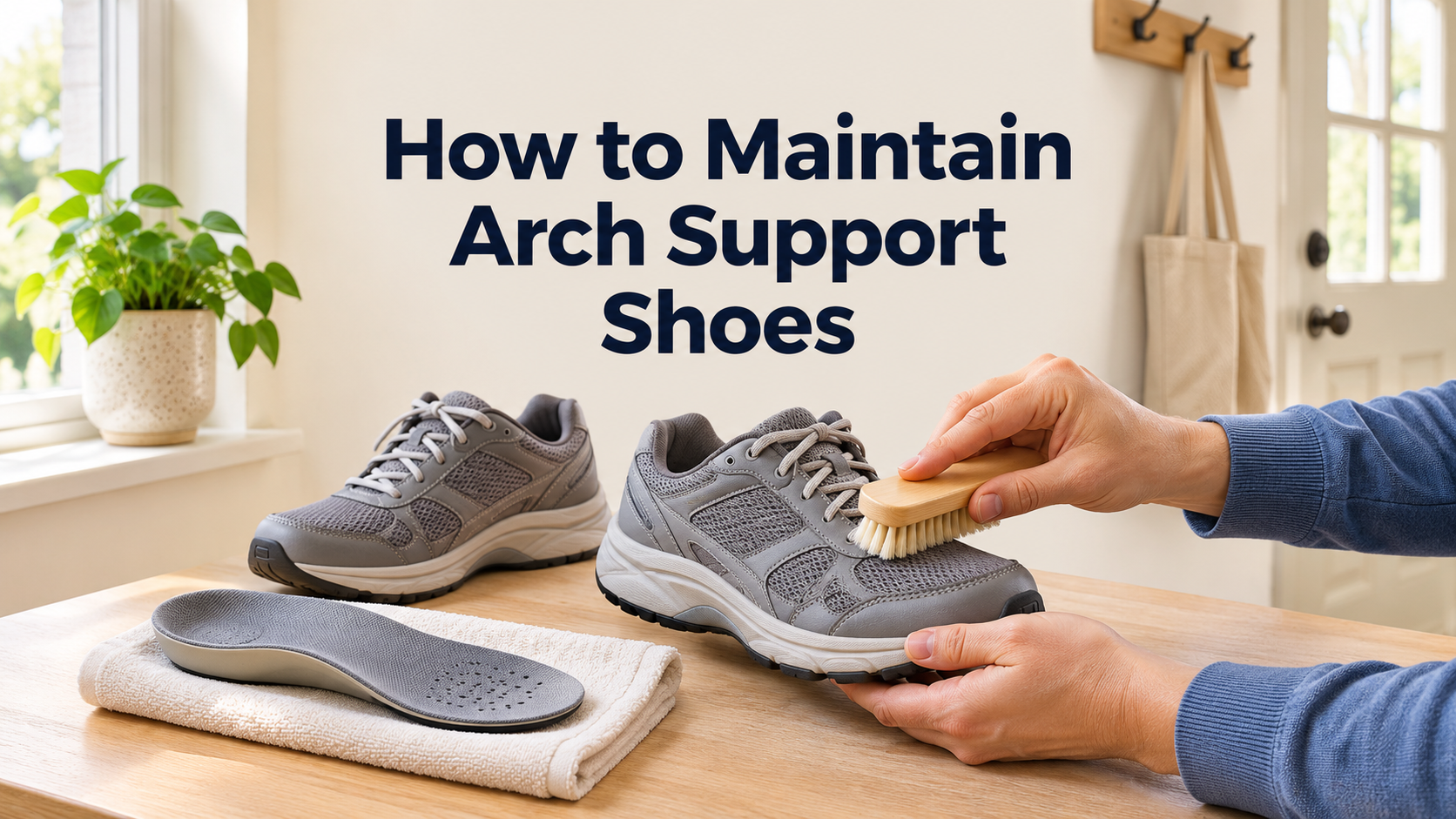
Replace shoes when the midsole feels flat, the inner edge looks worn, or the shoe leans inward when placed on a table.
Add Arch Support or Orthotics
Supportive insoles share the load that your muscles would otherwise carry. Many people find that good over-the-counter arch supports reduce end-of-day fatigue. If your pain is more severe or your foot shape is complex, a podiatrist can prescribe custom orthotics. Give new insoles a few days to adapt, wearing them for a few hours at first.
Strengthen Your Feet and Legs
| Exercise | How to do it | Benefit |
|---|---|---|
| Short foot | Draw the ball of the foot toward the heel without curling the toes. Hold 5 seconds, 10 reps. | Builds endurance in the arch muscles |
| Heel raises | Rise slowly onto the balls of both feet and lower slowly. 10 to 15 reps. | Strengthens calves and ankle stabilizers |
| Towel scrunches | Use your toes to pull a small towel toward you. 2 sets per foot. | Works the small muscles under the foot |
| Single-leg balance | Stand on one foot for 30 seconds, keeping the arch lifted. | Improves foot and ankle control |
| Calf stretch | Lean into a wall with one leg back and heel down. Hold 30 seconds, 2 to 3 times per side. | Reduces tightness that adds to foot strain |
| Hip strengthening | Clamshells and side steps with a light band. | Helps the leg stay aligned over the foot |
Start slowly, a few times a week, and stop if anything causes sharp pain. Consistency matters more than intensity.
Make Your Workday Easier
- Use an anti-fatigue mat if you stand in one place.
- Change position every 30 to 60 minutes: shift your weight, take a few steps, or sit briefly.
- Keep one foot slightly raised on a low step or rail from time to time if you must stand still.
- Take real breaks and, if possible, take your weight off your feet for a few minutes.
- Wear well-fitting socks that wick moisture and do not bunch, so your feet stay comfortable.
Support Your Whole Body
- Stay hydrated and sleep well. Both affect muscle recovery.
- Manage body weight if it adds load to your feet, in a way that suits your health.
- Build up activity slowly. Increase walking or standing time gradually.
- Mix up activities. Swimming and cycling are gentler on tired arches than long runs on hard ground.
A Simple Daily Routine
Mistakes That Make Foot Fatigue Worse
- Wearing thin flip-flops, flat slippers, or high heels for long hours
- Staying in the same position for hours without moving
- Pushing through pain instead of resting and adjusting
- Using old, collapsed shoes because they feel familiar
- Buying insoles but skipping strengthening and stretching
- Walking barefoot on hard floors all day at home
- Changing everything at once, so you cannot tell what helps
When to See a Doctor or Podiatrist
Foot fatigue is common, but some signs deserve a professional check:
- Pain that is severe, sharp, or does not settle after rest
- Swelling that does not go down overnight, or swelling in only one leg
- Redness, warmth, or skin colour changes in the foot or leg
- Numbness, tingling, burning, or weakness
- Pain at night or while resting
- An arch that is clearly getting lower, or inner ankle pain and swelling
- Tiredness that seems out of proportion to your activity
- Diabetes or circulation problems together with any foot symptoms
A podiatrist can assess how your feet move, recommend orthotics, suggest exercises, and rule out other causes of fatigue.
Frequently Asked Questions
Why do my flat feet hurt and feel tired at the end of the day?
A low arch absorbs shock less efficiently, so the muscles and tendons work harder. After many hours, they tire and ache.
Do arch supports reduce foot fatigue?
For many people, yes. Supportive insoles share the load and help control inward rolling, which can reduce end-of-day tiredness.
What are the best shoes for flat feet and tired feet?
Look for shoes with a firm heel, cushioned yet supportive midsole, good midfoot support, and room in the toes. Try several pairs and walk in them before buying.
Can exercises really help?
Strengthening and stretching can improve endurance in the foot and calf muscles, which may help you tire less quickly, especially when combined with good footwear.
Is foot fatigue a sign of a serious problem?
Usually it is a result of workload and foot structure. But persistent swelling, numbness, or severe pain should be checked.
How long does it take to feel better?
Supportive shoes and insoles often help within days to weeks. Strength gains usually take several weeks of regular practice.
Final Thoughts
Tired feet are one of the most common complaints among people with flat feet, but you do not have to simply put up with them. Choose supportive shoes, add arch support when needed, strengthen and stretch regularly, take short breaks through the day, and build up activity gradually. If your symptoms persist or come with warning signs, a podiatrist can help find the cause and create a plan for your feet. Small, steady changes often make the biggest difference by the end of the day.
Disclaimer: This article is for general information only and is not medical advice. If you have foot pain or health concerns, please consult a qualified healthcare professional.