




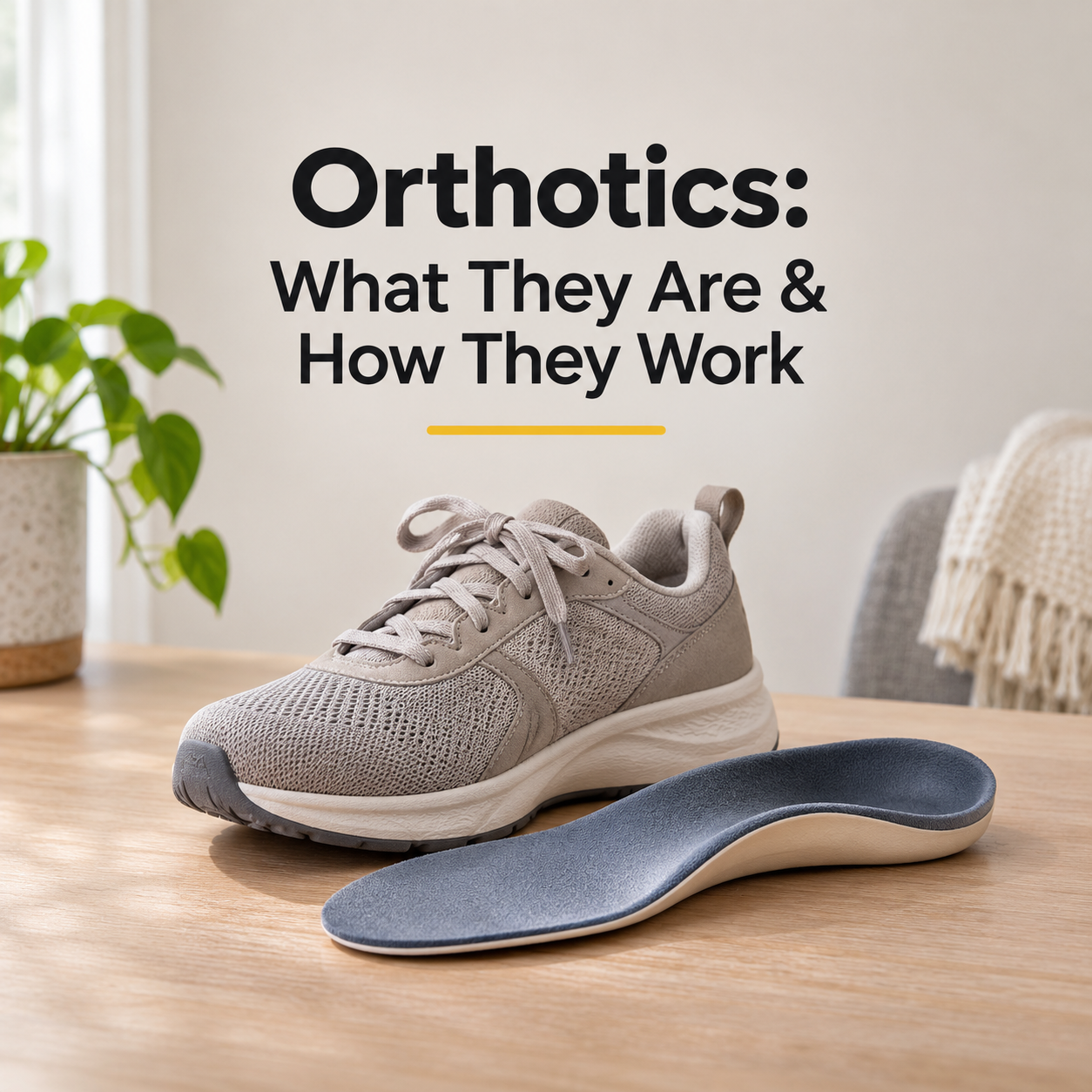

Foot pain can affect everything from your morning walk to your workout routine. If you have ever searched for a simple fix, you have probably come across orthotics. But what are orthotics and how do they work? In this guide, you will learn what they are, the different types, how they support your body, who benefits most, and how to choose the right pair.
What Are Orthotics?
Orthotics are specially designed shoe inserts or supportive devices that correct, support, or cushion the feet. They sit inside your shoes and work with the natural shape of your foot to improve comfort, balance, and movement.
The term is also used more broadly for braces and supports for other body parts, such as the ankle, knee, wrist, or back. In everyday use, however, “orthotics” usually means foot orthotics, and that is the focus of this article.
Orthotics vs. Regular Insoles
Regular insoles mainly add cushioning and comfort. Orthotics are built to change how forces move through your foot and lower body. Many people use the words interchangeably, but there is a real difference in purpose:
- Insoles: Soft, general-purpose comfort and cushioning.
- Prefabricated orthotics: Mass-produced inserts with built-in arch and heel support.
- Custom orthotics: Made from a mold or scan of your own feet and prescribed for a specific problem.
Understanding Your Foot Structure
To understand how orthotics work, it helps to know that your feet carry your entire body weight and absorb force with every step. The shape of your arch strongly affects how that force is shared.

People with flat feet often overpronate, meaning the foot rolls too far inward. People with high arches often have stiff feet that absorb shock poorly. Both patterns can lead to pain in the feet, knees, hips, or lower back.
How Do Orthotics Work?
Orthotics work by changing the way your foot makes contact with the ground. Small changes at the foot can reduce strain further up the body.

1. They Support the Arch
Orthotics hold the arch in a more stable position, which reduces the stretching of ligaments and the plantar fascia, the thick band of tissue under your foot.
2. They Redistribute Pressure
If too much pressure lands on the heel or the ball of your foot, pain and calluses can develop. Orthotics spread weight more evenly across the whole foot, which relieves overloaded areas.
3. They Absorb Shock
Materials such as foam and gel soften the impact of each step. This is especially helpful for runners, workers who stand on hard floors, and people with sensitive joints.
4. They Improve Alignment
By guiding how your foot rolls through each step, orthotics can improve the alignment of your ankles, knees, and hips, which may ease strain in those joints.
Main Types of Orthotics
| Type | Purpose | Typical Materials |
|---|---|---|
| Accommodative | Cushioning and pressure relief | Soft foam, gel |
| Functional | Controls abnormal foot motion | Firm plastic, carbon fiber |
| Prefabricated | Affordable general support | Foam, EVA, light plastic |
| Custom-made | Personalized correction | Varies by prescription |
| Sports orthotics | Support for specific activities | Light, flexible composites |
Conditions Orthotics May Help With
Orthotics are often suggested for the following problems:
- Plantar fasciitis and heel pain
- Flat feet or fallen arches
- High arches
- Bunions and hammertoes
- Shin splints
- Metatarsalgia (pain in the ball of the foot)
- Achilles tendon strain
- Knee, hip, or lower back discomfort linked to foot mechanics
- Foot problems related to diabetes or arthritis
Results vary from person to person. Orthotics are one part of care and often work best alongside stretching, strengthening, and proper footwear.
Custom vs. Over-the-Counter Orthotics
Over-the-counter orthotics are affordable, easy to find, and suitable for mild discomfort or general support. Custom orthotics are made from a detailed assessment of your feet and are better for complex problems, unusual foot shapes, or persistent pain. They cost more but are tailored to your needs and often last longer.
How to Choose the Right Orthotics
- Know your arch type: Flat, neutral, and high arches need different support.
- Match your activity: Running, walking, standing all day, and hiking each have different needs.
- Check the fit: They should fit your shoe without crowding your toes.
- Look at the materials: Firmer inserts give more control; softer ones give more cushion.
- Consider your budget: Start with a quality ready-made pair for mild issues.
- Get advice for persistent pain: A podiatrist can recommend the right type.
How to Get Used to Orthotics
Your feet need time to adapt. Wear new orthotics for one to two hours on the first day, then increase gradually over one to two weeks. Mild awareness of the new support is normal, but sharp or worsening pain is not. Stop and seek advice if that happens.
Caring for Your Orthotics
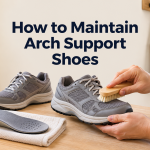
- Clean them gently with mild soap and water, then air dry away from direct heat.
- Rotate between shoes that fit them well.
- Check for cracks, flattened areas, or worn spots regularly.
- Replace over-the-counter pairs about every 6 to 12 months, or sooner with heavy use. Custom pairs may last longer.
When to See a Professional
See a podiatrist or doctor if your pain lasts more than a few weeks, you have swelling, numbness, or an injury, or you have diabetes or circulation problems. A professional can examine your feet and walking pattern and recommend suitable treatment.
Frequently Asked Questions
Do orthotics really work?
Many people find relief from foot and lower-limb discomfort with orthotics, especially when the right type is matched to the problem. They are not a cure-all and work best as part of a complete care plan.
Can I wear orthotics in any shoes?
Not always. Shoes need enough depth and a removable insole to hold them properly. Many people remove the original insole before inserting an orthotic.
Are orthotics uncomfortable?
There may be a short adjustment period. Once your feet adapt, they should feel supportive, not painful.
How long do orthotics last?
Ready-made pairs usually last six months to a year. Custom pairs can last several years depending on use and materials.
Can children use orthotics?
Children sometimes use them, but it should only be done on the advice of a health professional, since children’s feet are still developing.
Final Thoughts
Orthotics are simple but effective tools that support your arches, spread pressure, absorb shock, and improve alignment. Whether you choose an affordable ready-made pair or a custom prescription, the right fit can make daily movement more comfortable. Understand your foot type, choose carefully, and consult a professional when pain continues.
Disclaimer: This article is for general information only and is not medical advice. Please consult a qualified healthcare professional about your specific condition.