Disclosure: This article may contain affiliate recommendations. We may earn a small commission at no extra cost to you if you purchase through our recommendations.

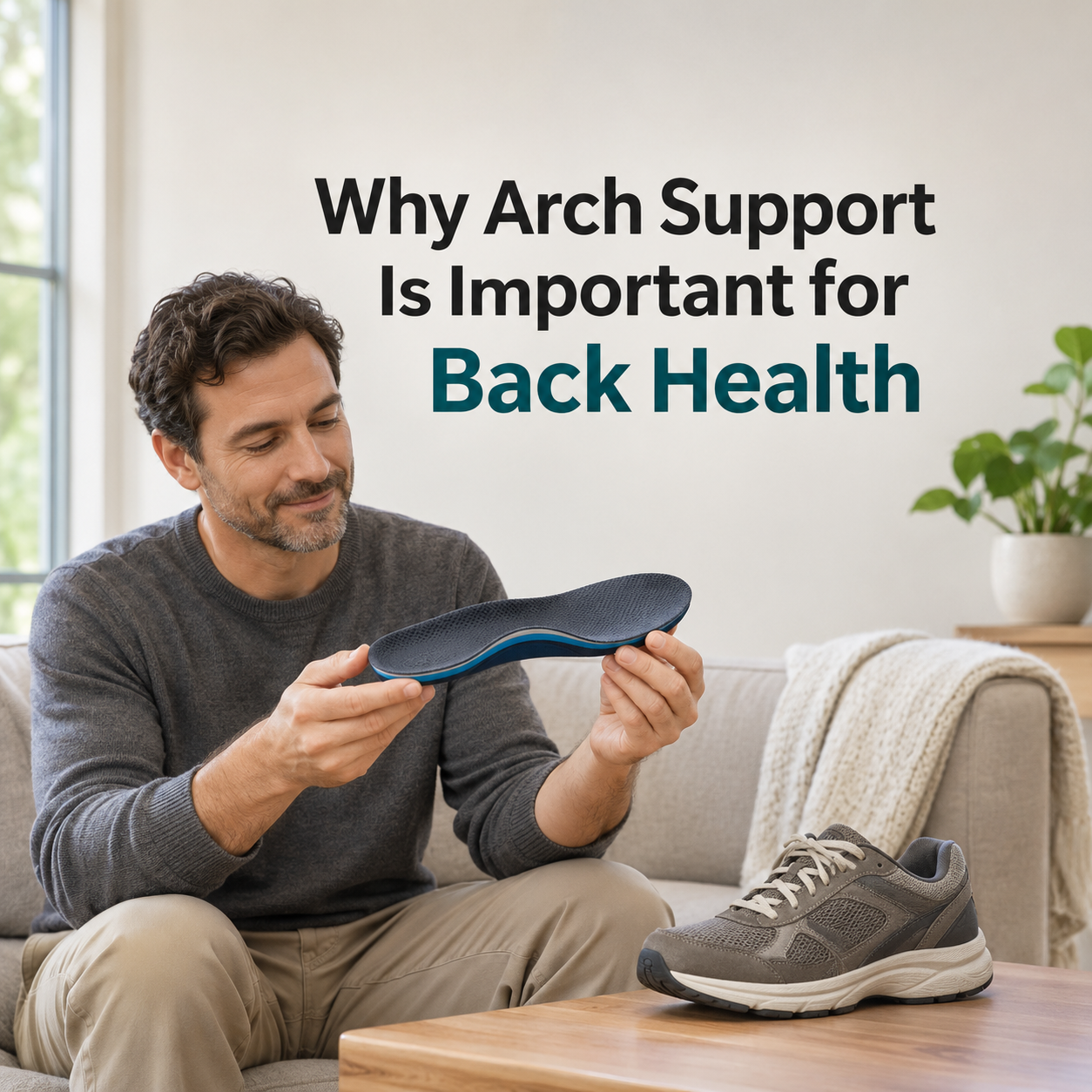
If you live with nagging lower back pain, you probably look at your mattress, your chair or your posture for answers. But there is a hidden culprit that many people overlook: the arches of your feet. Your feet are the foundation of your body, and when that foundation is unstable, the effects travel upward. Understanding why arch support is important for back health can help you reduce pain, move comfortably and protect your spine for the long term.
What Is the Arch of the Foot?
The arch is the curved structure on the inner side of your foot, formed by bones, ligaments, tendons and muscles. It works like a natural spring: it absorbs shock when your foot hits the ground, spreads your body weight evenly and helps push you forward when you walk or run.
Most people have one of three arch types: flat (low), normal (medium) or high. Each affects how your body handles impact.
How Your Feet Affect Your Back
Your body works as a kinetic chain, meaning each joint influences the next. When the arch collapses or is too rigid, the foot cannot absorb shock properly. The ankle tilts, the knee rotates, the hips shift and the pelvis tilts. Finally, the lower back has to compensate for all of this misalignment.
Over thousands of steps every day, this extra strain adds up. Muscles in the lower back tighten, spinal joints take uneven loads and discomfort gradually develops.
Key Benefits of Arch Support for Back Health
1. Better Spinal Alignment
Proper arch support helps keep the foot in a neutral position. This encourages the ankles, knees and hips to line up correctly, which allows the pelvis and spine to sit in a more natural posture.
2. Improved Shock Absorption
Every step sends a shock wave from the ground up through your body. Supportive arches and cushioned insoles absorb part of that force before it reaches your lower back and spinal discs.
3. Reduced Overpronation
Overpronation happens when the foot rolls too far inward. It often goes with flat feet and can twist the leg and tilt the pelvis. Arch support limits excessive rolling and promotes a steadier stride.
4. Lower Muscle Fatigue
When your feet are well supported, the muscles in your legs, hips and back do not have to work as hard to keep you balanced. This is especially helpful if you stand or walk for long hours at work.
5. Better Weight Distribution
Arch support spreads pressure across the whole foot instead of concentrating it on the heel and ball. Balanced pressure leads to balanced posture.
6. Help with Related Conditions
Poor arch support is linked with plantar fasciitis, shin splints, knee pain and hip discomfort. Because these problems can change the way you walk, they often contribute to back pain as well.
Signs You May Need Arch Support
Having one or two of these signs does not always mean a serious problem, but persistent symptoms are worth taking seriously.
Who Benefits Most from Arch Support?
- People who stand for long hours: nurses, teachers, retail workers, chefs and factory staff.
- Those with flat feet or very high arches: both types struggle with natural shock absorption.
- Runners and walkers: repeated impact increases stress on the entire body.
- Older adults: arches can weaken with age, and cushioning naturally declines.
- People who are overweight or pregnant: extra load puts more stress on the feet and spine.
- Anyone with chronic lower back pain: supportive footwear can be a helpful part of the solution.
Types of Arch Support Options
| Option | Best For | Key Feature |
|---|---|---|
| Over-the-counter insoles | Mild discomfort, everyday use | Affordable and easy to find |
| Custom orthotics | Severe or specific foot problems | Made from your foot measurements |
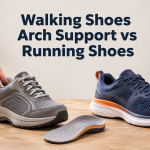
| Supportive shoes | Walking, work and daily wear | Built-in structure and cushioning |
| Arch support sandals and slippers | Home use and recovery | Support even when barefoot-style comfort is wanted |
How to Choose the Right Arch Support
- Know your arch type. Wet your foot and step on a flat surface. A full print suggests flat feet; a thin band along the outside suggests high arches.
- Match support to your activity. Walking and standing need firm, stable support; running needs more cushioning.
- Check the fit. The insole should sit flat inside the shoe and the arch should line up with your own arch.
- Look for quality materials. Durable foam, a firm heel cup and breathable fabric make a real difference.
- Increase use gradually. Wear new support for a few hours a day at first so your feet can adapt.
- Replace when worn. Most insoles lose support after several months of regular use.
Extra Habits That Protect Your Back
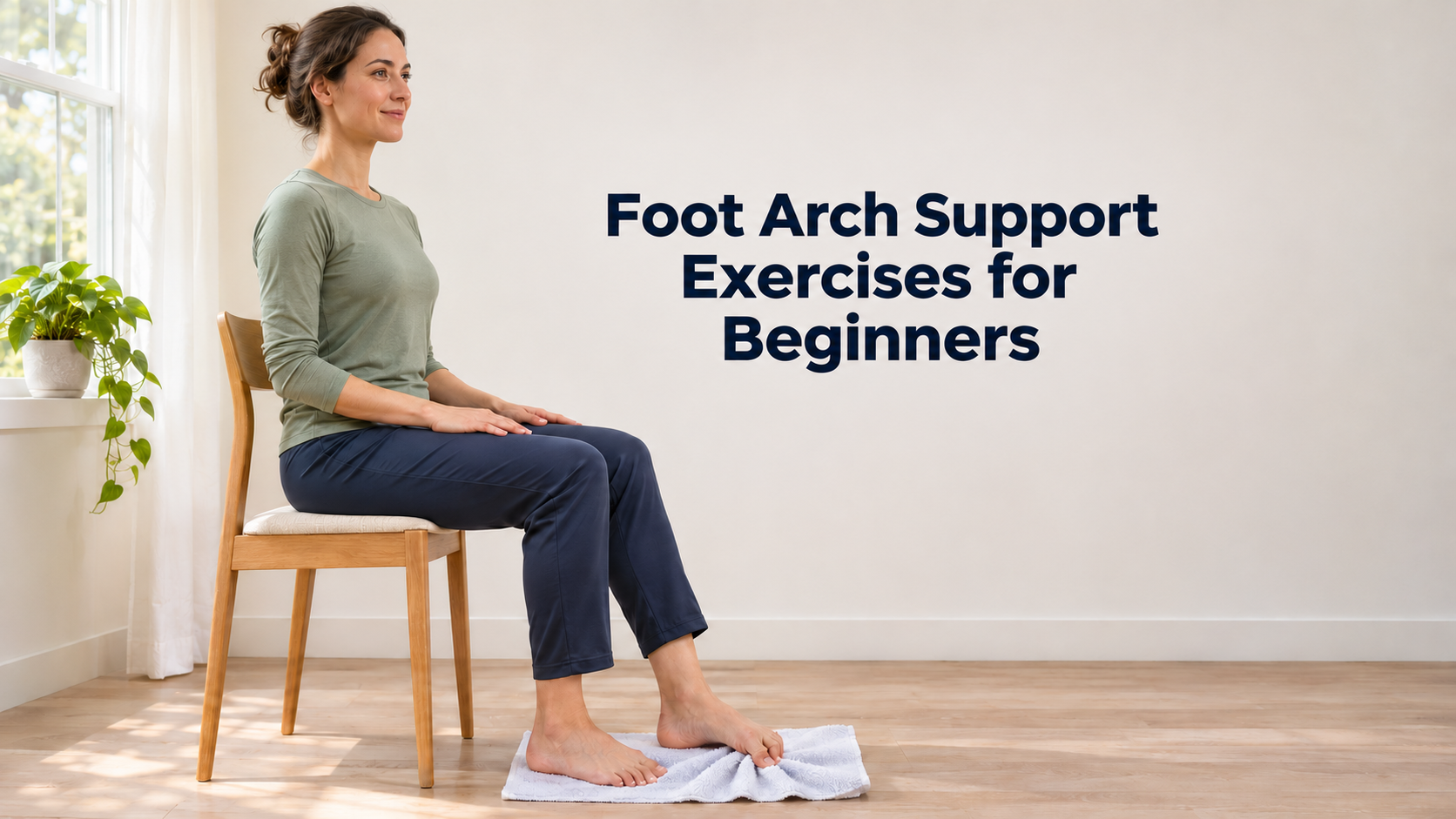
- Strengthen your feet with towel scrunches and toe raises.
- Stretch your calves and hamstrings daily.
- Strengthen your core to support the spine.
- Maintain a healthy weight to reduce pressure on feet and back.
- Avoid worn-out, flat or unsupportive shoes.
- Take movement breaks if you sit or stand for a long time.
Frequently Asked Questions
Can arch support really relieve back pain?
For many people whose pain comes from poor foot alignment, yes. It can lower strain on the back, though results vary and it works best together with exercise and good posture.
Do flat feet always cause back pain?
No. Some people with flat feet never have symptoms. Problems appear mainly when the foot overpronates and affects the alignment of the legs and hips.
How long does it take to feel a difference?
Some people feel relief in days, while others need two to six weeks as their body adjusts.
Are expensive custom orthotics necessary?
Not always. Good quality over-the-counter insoles help many people. Custom orthotics are better for complex or severe cases.
Should I wear arch support all day?
Build up slowly. Once comfortable, many people wear supportive footwear throughout the day, but it is wise to follow a professional’s advice.
Final Thoughts
Your back does not work alone. It depends on a stable base, and that base is your feet. By providing proper arch support, you improve alignment, absorb shock better, reduce muscle fatigue and take pressure off your spine. Whether you choose supportive shoes, quality insoles or custom orthotics, giving your arches the help they need is a simple, practical step toward a healthier back.
Medical disclaimer: This article is for general information only and is not medical advice. If you have severe, persistent or worsening back or foot pain, numbness or weakness, please consult a doctor or podiatrist.