





Quick answer: flat feet usually do best with firm, structured arch supports; neutral arches suit semi-rigid supports; high arches need soft, cushioned supports that fill the gap under the foot. The right choice depends on your foot shape, shoes and daily activity.
Why Arch Support Matters
Your arch works like a spring. It absorbs shock when your heel lands, distributes weight across the foot, and helps push you forward with each step. When the arch is too low, too high, or lacks strength, extra stress can travel up through the ankles, knees, hips and lower back.
Arch supports, also called insoles or orthotic inserts, help the foot hold a healthier position. They will not suit everyone in the same way, which is why matching the support to your foot shape is the most important step.
The Three Main Foot Shapes
Flat Feet (Low Arch)
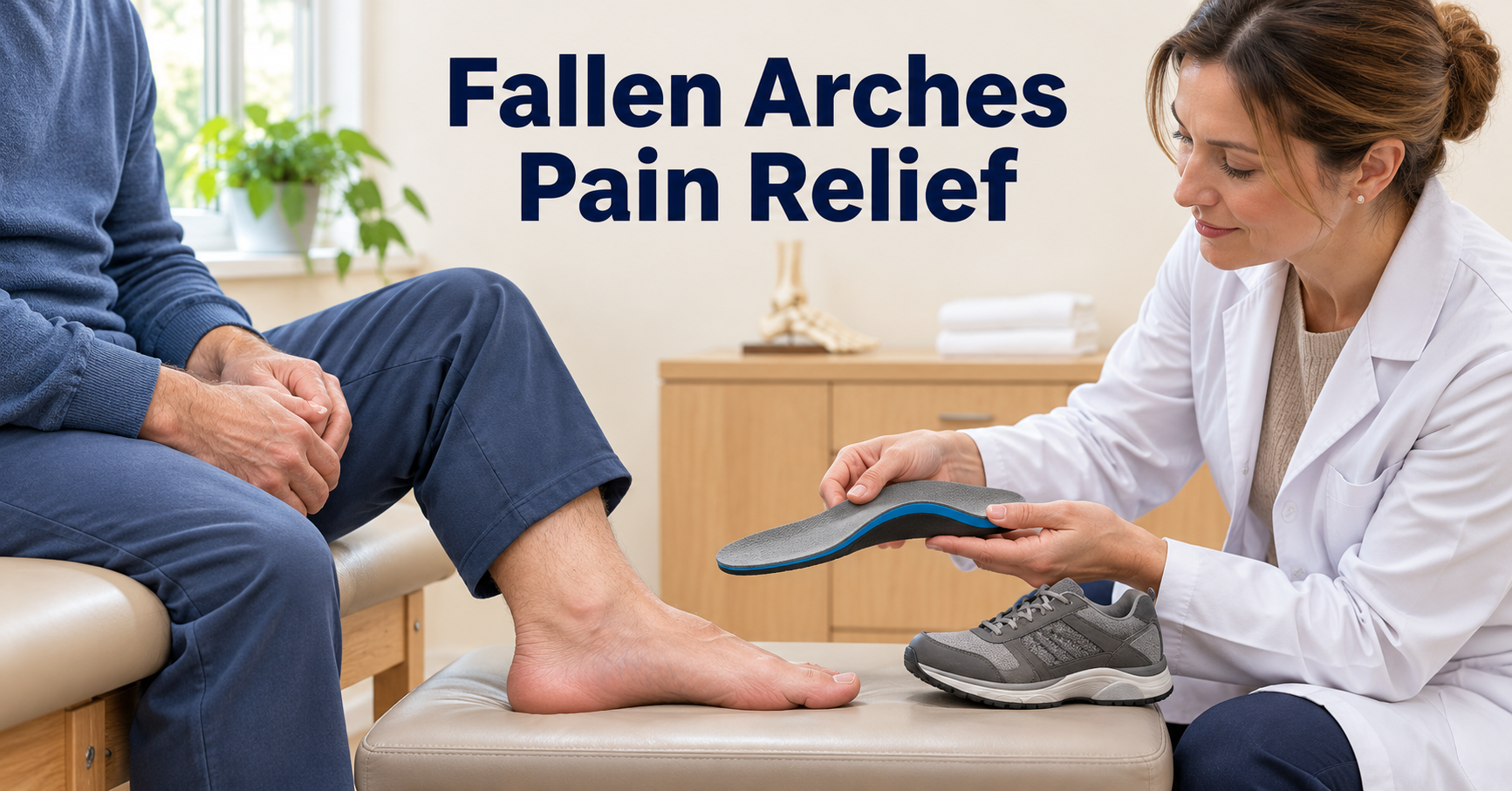
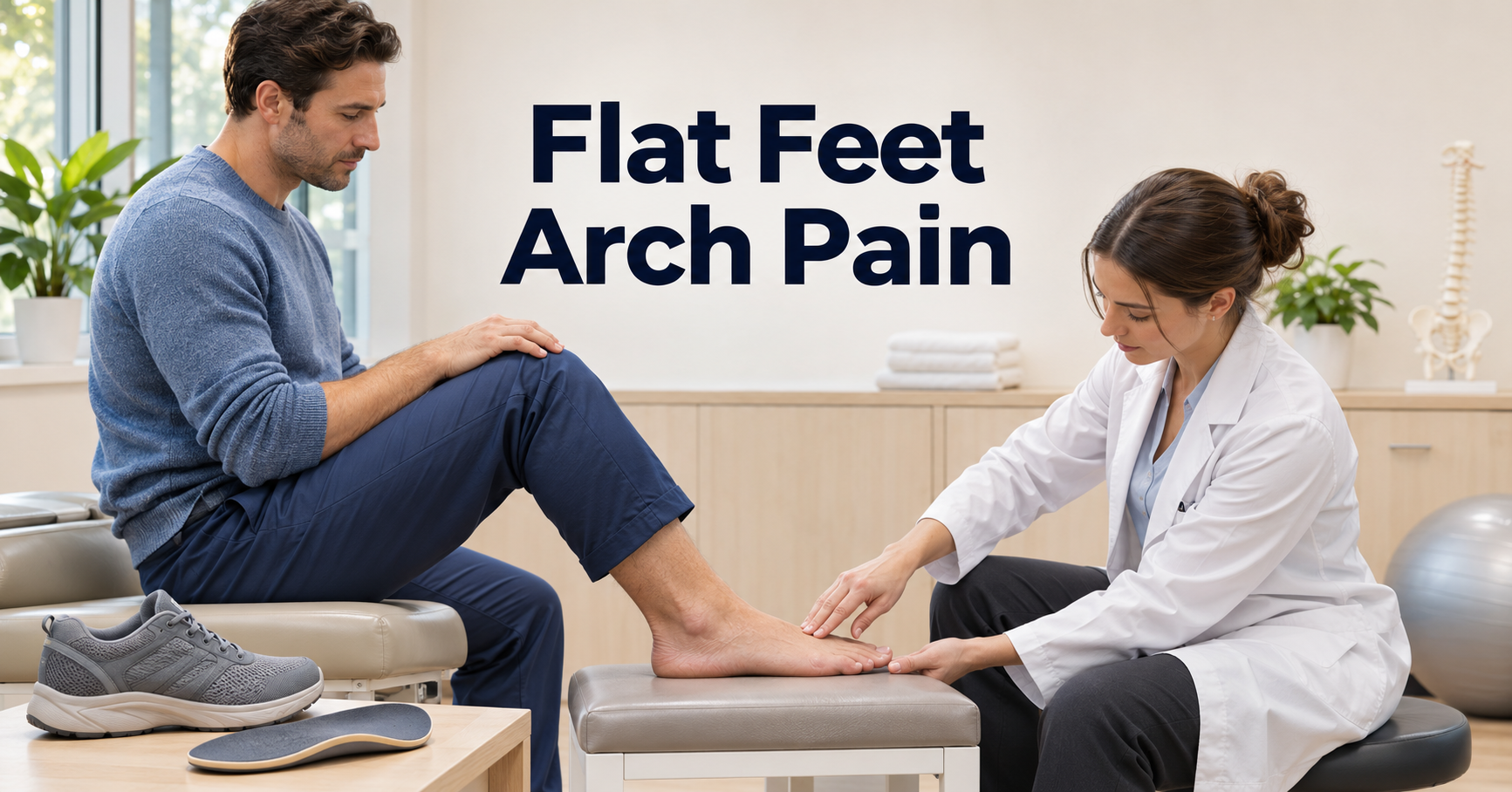
The whole sole touches the ground. Flat feet often roll inward (overpronation), which can cause heel pain, shin splints, arch fatigue and knee discomfort. Some people are born with flat feet and feel nothing; others develop them with age, weight gain or injury.
Neutral Arches (Medium Arch)
You see a clear but not extreme curve along the inner edge. Most neutral feet distribute pressure well, so supports here are mainly for comfort, fatigue reduction, or sports and long working hours.
High Arches
Only the heel and ball of the foot touch the ground. The foot is rigid and absorbs shock poorly, which can lead to heel pain, metatarsal pain, ankle instability and a higher chance of stress injuries.
How to Find Your Arch Type at Home
Try the wet test. Wet the sole of your foot, step onto dark paper or a flat cardboard sheet, and examine the print.
- Full footprint with little or no curve: flat foot.
- Clear curve with a band about half the width of the foot: neutral arch.
- Very thin band, or heel and ball nearly disconnected: high arch.
Also check your old shoes. Wear along the inner edge of the sole suggests overpronation; wear on the outer edge suggests a high arch.
Types of Arch Supports
1. Rigid (Firm) Arch Supports
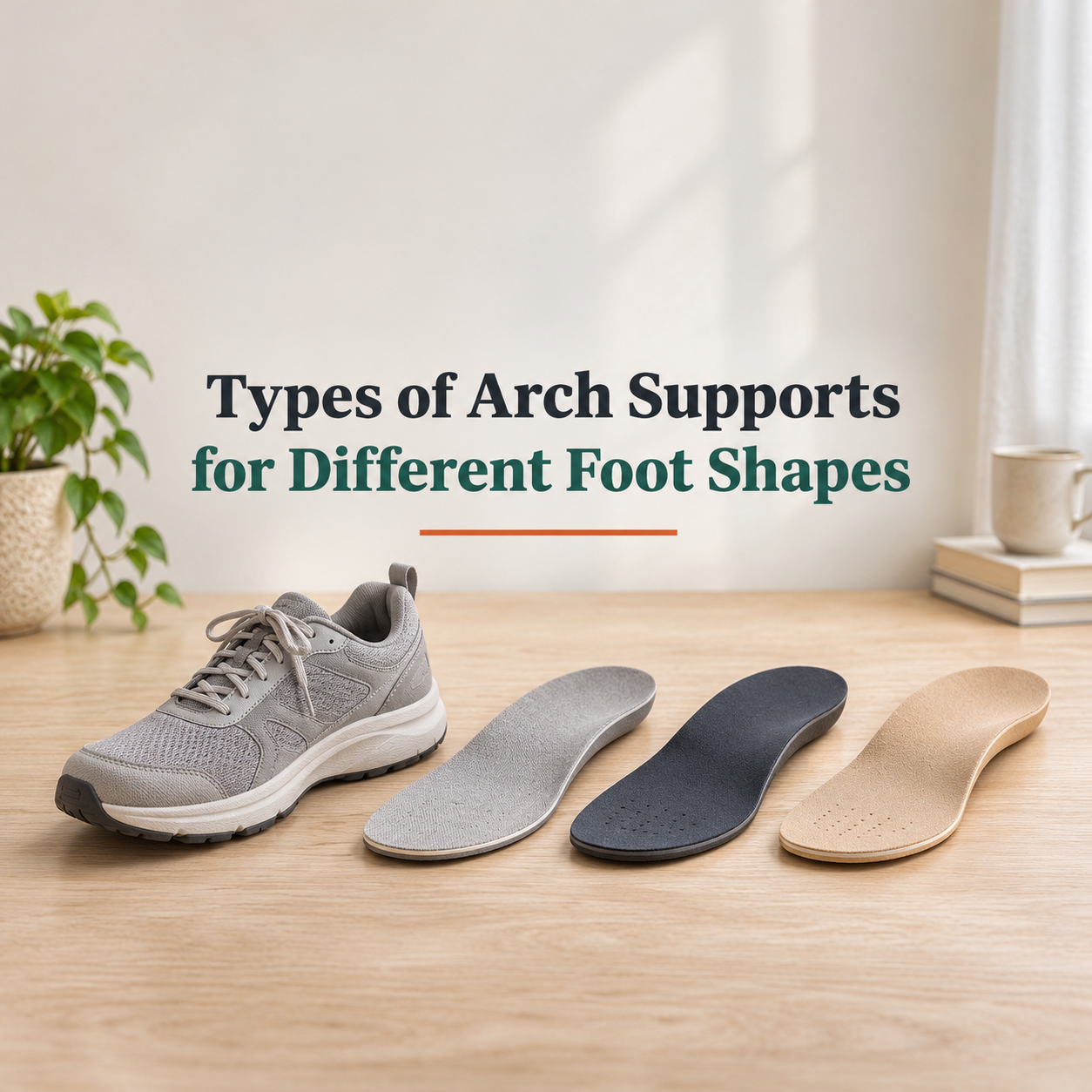
Made from hard plastic or carbon fibre, these control motion and hold the arch in position. They suit flat feet and overpronation but feel stiff at first and may need a gradual break-in.
2. Semi-Rigid Arch Supports
A flexible core wrapped in softer foam gives a blend of support and comfort. They are a smart choice for neutral arches, mild flat feet and active people.
3. Soft and Cushioned Arch Supports
Gel or foam inserts fill the space under a high arch and spread pressure over a larger area. They absorb shock well, but they do little to control excess motion.
4. Three-Quarter Length Supports
These stop behind the ball of the foot. They fit dress shoes and narrow footwear where a full insole would crowd the toes.
5. Full-Length Insoles
Full-length insoles replace the shoe’s factory insole and support the whole foot. They suit running shoes, work boots and sneakers with removable liners.
6. Heat-Moldable Supports
You warm them, then stand on them so they take the shape of your arch. They give semi-custom contouring at a modest price.
7. Custom Orthotics
A podiatrist scans or casts your foot and orders a device made for it. Custom orthotics are best for severe deformity, chronic pain, nerve problems or diabetes.
Comparison at a Glance
| Type | Best for | Main benefit | Trade-off |
|---|---|---|---|
| Rigid (firm) | Flat feet, overpronation, heavy build | Maximum stability, corrects alignment | Needs a break-in period |
| Semi-rigid | Mild to moderate flat or neutral feet, active people | Balance of support and shock absorption | Less correction than rigid |
| Soft / cushioned | High arches, sensitive feet, long standing | Shock absorption, pressure relief | Little motion control |
| 3/4 length | Dress shoes, tight footwear | Slim fit, easy to place | Does not support the forefoot |
| Heat-moldable | Feet between standard sizes or shapes | Semi-custom contour | Needs correct molding |
| Custom orthotics | Severe deformity, chronic pain, diabetes | Made from your foot scan | Higher cost, longer wait |
Best Arch Support for Each Foot Shape
- Flat feet: a firm or semi-rigid support with a deep heel cup, plus a stable shoe with a firm midsole.
- Neutral arches: a semi-rigid or moderately cushioned insole matched to your activity.
- High arches: a soft, cushioned support with good arch contact and a padded heel.
How to Choose the Right Arch Support
- Know your arch type with the wet test.
- Match the activity. Running needs lightweight, shock-absorbing insoles; standing all day needs durable cushioning; dress shoes need slim designs.
- Check shoe space. Remove the factory insole first, and make sure the heel does not slip.
- Look at the materials. EVA foam is light, polyurethane lasts longer, gel absorbs shock, and cork molds slowly to the foot.
- Get the size right. Many insoles can be trimmed using the original insole as a template.
Breaking In Your New Arch Supports
Wear them for one to two hours on the first day and add an hour daily over one to two weeks. Mild awareness of the support is normal; sharp pain, numbness or blisters are not. Replace supports about every six to twelve months, or sooner if they flatten or crack.
When to See a Professional
Consult a podiatrist or doctor if pain lasts more than a few weeks, if one arch collapses suddenly, if you have diabetes or poor circulation, or if a child has painful flat feet. Over-the-counter supports are great for common problems, but they are not a treatment for every condition.
Frequently Asked Questions
Do flat feet always need arch support?
No. If flat feet cause no pain, you may not need any. Supports help when you have discomfort, fatigue or overpronation.
Can the wrong arch support cause pain?
Yes. A support that is too high or too firm can create pressure points. Choose according to your foot shape and increase wear time slowly.
Are expensive arch supports better?
Not automatically. Fit, shape and material matter more than price. A well-matched mid-range insole often beats a poorly matched premium one.
Can I use the same insoles in all my shoes?
Often yes, if the shoes have similar volume and removable insoles. Slim dress shoes usually need a thinner design.
Final Thoughts
There is no single best arch support, only the best one for your foot. Flat feet need stability, neutral feet need balance, and high arches need cushioning. Identify your arch type, match it to your daily activity, introduce the support gradually, and seek professional advice when pain persists.