

You did everything right. You stretched every morning, wore supportive shoes, rested when you needed to, and slowly the stabbing heel pain faded. Then, a few weeks or months later, it came back: the same first-step pain, the same sore arch, the same frustration. If this sounds familiar, you are not alone. Plantar fasciitis has a reputation for returning, which is why plantar fasciitis recurrence prevention deserves as much attention as treatment itself.
The good news is that recurrence is often preventable. When you understand why the problem returns and build a few durable habits around stretching, strength, footwear, and activity levels, you can dramatically lower the chances of a repeat. In this complete guide you will learn the main reasons plantar fasciitis comes back, six practical pillars of prevention, a sample weekly maintenance plan, a return-to-activity guide, how to recognize early warning signs, and what to do if a flare-up begins.
Quick Answer
To prevent plantar fasciitis from coming back, keep up a short maintenance routine of calf and plantar fascia stretching plus foot, calf, and hip strengthening; wear supportive, cushioned shoes (also at home) and replace them on time; increase activity gradually and mix in rest and low-impact exercise; keep your calves flexible; manage body weight and time on hard surfaces; use insoles or orthotics if your foot structure calls for them; and act quickly on early warning signs like first-step heel pain. See a doctor if pain keeps returning, affects both heels, or comes with morning stiffness, numbness, or swelling.
Table of Contents
- Why Plantar Fasciitis Comes Back
- The Real Reasons for Recurrence
- Pillar 1: Keep a Maintenance Routine
- Pillar 2: Get Your Footwear Right
- Pillar 3: Manage Your Training Load
- Pillar 4: Protect Calf and Ankle Mobility
- Pillar 5: Support Your Body and Lifestyle
- Pillar 6: Use Insoles or Orthotics When Needed
- A Sample Weekly Maintenance Schedule
- Return-to-Activity Guide
- Early Warning Signs and Your Flare-Up Plan
- Prevention Tips for Different Lifestyles
- When to See a Doctor
- Frequently Asked Questions
Why Plantar Fasciitis Comes Back
The plantar fascia is a thick band of tissue that runs from your heel bone to the base of your toes, supporting your arch and absorbing shock with every step. Plantar fasciitis occurs when this tissue is repeatedly loaded more than it can tolerate, leading to irritation near the heel.
When pain settles, the tissue is calmer, but the conditions that caused the problem in the first place are often still there: tight calves, weak foot muscles, worn shoes, hard surfaces, high activity levels, or a foot structure that places extra load on the fascia. If those factors are not addressed, the same overload can build up again. Recurrence usually means that something is still stressing the fascia more than it can handle, not that you failed to heal.

The Real Reasons for Recurrence
Most repeat episodes trace back to a handful of common patterns.

1. Stopping the Routine Too Soon
As soon as the pain eases, many people drop the stretching and strengthening that helped. Within weeks, the calves tighten and the foot muscles weaken again, and the fascia is back where it started.
2. Going Back to Full Activity Too Quickly
Feeling better is not the same as being ready for your old training or workload. Jumping straight back to long runs, long walking days, or double shifts on your feet overloads tissue that is still adapting.
3. Worn-Out or Unsuitable Shoes
Shoes lose cushioning and support gradually, so you may not notice until the heel pain returns. Going back to thin, flat, or worn-out footwear after recovery is a very common trigger.
4. Tight Calf Muscles and Achilles Tendon
The calf and the plantar fascia are mechanically linked. If the calves become tight again, the fascia is pulled on harder with every step.
5. Weak Foot, Calf, and Hip Muscles
Strong muscles share the load that would otherwise fall on the fascia. If strength fades after rehab, the fascia takes more of the strain.
6. Hard Surfaces and Long Hours on Your Feet
Concrete, tile, and long shifts keep placing repeated stress on the heel and arch, especially in unsupportive shoes.
7. Barefoot Habits and Flimsy Footwear
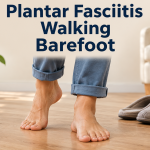
Going barefoot on hard floors, wearing flip-flops, or stepping out of bed without slippers can irritate the fascia, particularly first thing in the morning.
8. Underlying Contributors Never Addressed
Foot structure such as flat or high arches, extra body weight, training errors, and some medical conditions can all keep the fascia under high load until they are managed.
The Six Pillars of Recurrence Prevention
The most effective approach is to build prevention into your everyday life. These six pillars cover the main areas.

Pillar 1: Keep a Maintenance Routine
This is the single most important habit. Think of your rehab exercises as a long-term investment rather than a short-term treatment. Once your pain has settled, shift from a full rehab program to a shorter maintenance routine that you can sustain.
- Stretch daily: a plantar fascia stretch and a calf stretch, 30 seconds each, three times, ideally first thing in the morning and again in the evening.
- Strengthen two to three times a week: short-foot exercise, towel scrunches, toe spreading, and slow, controlled calf raises.
- Include hip strength: glute bridges and clamshells help control how your leg and foot move.
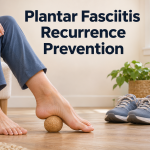
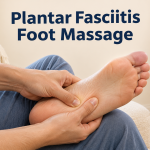
- Roll the arch: a few minutes with a massage ball after long days can keep tension low.
The routine does not need to take long. Ten to fifteen minutes a day is enough for many people, and it is far easier to maintain than to restart after a flare-up.
Key Exercises to Keep Doing
- Plantar fascia stretch: sit with your foot across your knee and gently pull the toes back toward the shin. Hold 30 seconds, three times.
- Wall calf stretch: straight knee, then bent knee, 30 seconds each, three times.
- Short-foot exercise: draw the ball of the foot toward the heel to lift the arch without curling the toes. Hold five seconds, repeat ten times.
- Towel scrunches: two sets of 15.
- Slow calf raises: three to four seconds up and down, building gradually from two to three sets of 8 to 12.
- Single-leg balance: 30 to 60 seconds, progressing to a folded towel.
Stretching Strap or Plantar Fascia Stretcher
Best for: making daily calf and fascia stretching easier and more consistent.
What to look for: a durable, non-slip strap or stretching wedge that feels comfortable to hold and use.
Resistance Bands
Best for: progressive foot, ankle, and hip strengthening at home.
What to look for: a set with different resistance levels, durable material, and secure handles or loops.
Massage Ball or Foot Roller
Best for: self-massage of a tight arch after a long day.
What to look for: a firm but not rock-hard surface and a size that fits comfortably under the foot.
Pillar 2: Get Your Footwear Right
Footwear is one of the most controllable factors in recurrence. A few simple rules go a long way:
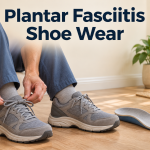
- Choose shoes with a cushioned heel, a contoured arch, a firm heel counter, a midsole that resists twisting, a sole that bends only at the ball of the foot, a roomy toe box, and a removable insole.
- Replace shoes on time: running shoes roughly every 300 to 500 miles (about 500 to 800 km), and everyday shoes often after 6 to 12 months of daily wear, or sooner if the cushioning is compressed or the heel counter collapses.
- Rotate pairs so the cushioning has time to recover and the load changes slightly from day to day.
- Do not go barefoot on hard floors. Keep supportive slippers or slides by the bed and wear them before your feet touch the floor.
- Limit high heels, thin flats, and flip-flops, especially on days when you will be on your feet a lot.
- Keep a record of when you bought your shoes, or track the mileage, so wear does not sneak up on you.
Supportive Walking or Running Shoes
Best for: daily wear and exercise once you have recovered.
What to look for: a cushioned heel, stable midsole, firm heel counter, roomy toe box, and removable insole. Try them in the afternoon with your usual socks.
Supportive Slippers or Recovery Slides
Best for: protecting the fascia at home, especially in the morning and evening.
What to look for: a contoured footbed, a cushioned heel, and a sole that does not fold in half.
Spare Pair of Shoes for Rotation
Best for: extending shoe life and varying the load on your feet.
What to look for: a second pair that suits your foot and activity, with similar support features.
Pillar 3: Manage Your Training Load
Many recurrences happen after a jump in activity, such as a new running plan, a holiday full of walking, a new job on your feet, or the return to full training after rehab. The fascia adapts slowly, so build up in small steps.
- Increase gradually. A common rule of thumb is to raise weekly volume by about 10 percent or less, and to change only one thing at a time, such as distance, speed, hills, or surface.
- Use the pain rule. Mild discomfort that settles within a day is usually acceptable. Pain that is increasing, changes how you walk or run, or is worse the next morning means you should scale back.
- Cross-train. Swimming, cycling, rowing, or pool running let you keep fitness while limiting impact.
- Schedule rest days and easy days so the tissue can recover.
- Vary surfaces and avoid doing all your running on concrete.
- Warm up with a few minutes of walking, calf and foot mobility work, and light activation before exercise.
Pillar 4: Protect Calf and Ankle Mobility
Tight calves are among the most consistent contributors to plantar fasciitis. Limited ankle motion forces the foot to compensate, increasing tension in the fascia. Keep the calf and Achilles flexible with regular stretching and occasional self-massage.
- Stretch with both a straight knee (upper calf) and a bent knee (deeper soleus muscle)
- Use a foam roller on the calves a few times a week
- Keep your ankle moving with circles and gentle dorsiflexion stretches if you sit for long periods
- Avoid prolonged use of high heels, which keep the calves in a shortened position
Foam Roller for Calves
Best for: loosening tight calf muscles that pull on the plantar fascia.
What to look for: a medium-density roller that is firm enough to work the muscle without causing bruising, in a length that suits your space.
Pillar 5: Support Your Body and Lifestyle
- Body weight: extra weight increases the load through the foot with every step. If it applies to you, even modest, steady weight loss can reduce the strain on your fascia.
- Surfaces and work habits: use cushioned mats where you stand, take sitting breaks, and wear supportive shoes during long shifts.
- Sleep and recovery: tissue repair happens largely during rest, so consistent sleep supports healing.
- Nutrition and hydration: a balanced diet with enough protein, vitamin D, and calcium supports tissue and bone health.
- Manage medical conditions: diabetes, arthritis, and some inflammatory conditions can affect the foot and should be managed with your doctor.
Anti-Fatigue Mat
Best for: people who stand on hard floors at work or at home.
What to look for: a cushioned but stable surface that does not curl at the edges and fits your workspace.
Pillar 6: Use Insoles or Orthotics When Needed
Some people have a foot structure, such as flat feet or high arches, that places extra stress on the fascia. For them, an insole or orthotic can be a useful part of long-term prevention, especially when combined with the other pillars.
- Off-the-shelf arch-support insoles can help many people with flat or low arches or long days on their feet.
- Cushioned heel cups or gel pads add shock absorption for high arches and heel-focused pain.
- Custom orthotics, made by a podiatrist or similar professional, may be considered if pain has returned repeatedly or your foot structure is unusual.
- Insoles wear out too. Replace them on a schedule similar to your shoes, or when they flatten or crack.
Arch-Support Insoles
Best for: flat or low arches, long hours on your feet, and shoes with thin factory insoles.
What to look for: a contoured but not rock-hard shape, a deep heel cup, and the right arch height for your foot. Remove the factory insole first and break in gradually.
Cushioned Heel Cups or Gel Heel Pads
Best for: heel-focused pain and high arches that need shock absorption.
What to look for: a resilient, shock-absorbing material that holds its shape and fits well in the shoe.
A Sample Weekly Maintenance Schedule
This example shows how a sustainable maintenance routine can fit into a normal week. Adjust it to suit your foot, your activity level, and any advice from your clinician.

If you are a runner or very active, add your regular training around this base and keep at least one lighter day each week.
Return-to-Activity Guide
Returning to your usual activity after a flare-up or after rehab should be gradual. This table gives a general framework. Move on only when the previous stage is comfortable, and drop back a stage if pain returns.
| Stage | Activity | Move on when |
|---|---|---|
| 1 | Everyday walking in supportive shoes | First-step pain is minimal and walking is comfortable |
| 2 | Longer or brisker walks on soft, flat surfaces | You can walk 30 to 45 minutes with little or no pain, and are comfortable the next morning |
| 3 | Walk-jog intervals (for runners), low-impact cardio | You can do your calf raises and strengthening without pain |
| 4 | Continuous easy running or normal workouts on soft or even surfaces | Pain stays settled for a week or more |
| 5 | Gradually add distance, hills, and speed, one at a time | You continue to meet the pain rule and recover well between sessions |
Early Warning Signs and Your Flare-Up Plan
Catching a flare-up early can make the difference between a few uncomfortable days and a long relapse. Watch for these early signs:
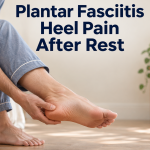
- First-step heel or arch pain in the morning returning after weeks without it
- A tender spot on the heel or inner arch after activity
- Increasing calf tightness
- A heel or arch ache at the end of the day
- Your shoes suddenly feeling unsupportive or worn

If you notice these signs, do not wait. Reduce impact activity for a few days, restart your full stretching routine, roll the arch, use cold if it feels sore, and wear supportive shoes or slippers all day. Check whether your shoes need replacing, and return to activity step by step only when the pain stays settled. If symptoms last more than two to three weeks, or you are unsure what is going on, see a professional.
Plantar Fasciitis Night Splint
Best for: flare-ups with severe first-step morning pain.
What to look for: adjustable straps, breathable padding, a comfortable angle, and a design you can sleep in. Ask a doctor or podiatrist if you are unsure it suits you.
Reusable Cold Pack or Frozen Roller
Best for: end-of-day soreness after activity.
What to look for: a flexible gel pack or freezer-friendly roller that molds to the foot.
Prevention Tips for Different Lifestyles
If You Are a Runner
- Track shoe mileage and rotate pairs
- Build mileage gradually and avoid sudden changes in speed, hills, or surface
- Do calf strengthening and mobility work every week
- Take a break or cross-train at the first sign of heel pain
If You Stand Most of the Day
- Wear supportive, cushioned shoes with a removable insole
- Use cushioned mats and take short sitting breaks
- Stretch calves and arches during breaks
- Switch between two pairs of shoes across the week
If You Walk or Hike a Lot
- Increase distance and elevation gradually
- Choose shoes with good heel cushioning and stability
- Break in new footwear before long outings
- Stretch calves before and after long walks
If You Have Flat Feet or High Arches
- Consider arch-support insoles or heel cushioning that suits your arch type
- Discuss custom orthotics with a podiatrist if pain keeps returning
- Focus on foot strengthening and calf flexibility
If You Are Older or Have Less Heel Padding
- Prioritize cushioning and avoid hard, thin-soled shoes
- Keep activity regular but gentle, with low-impact options
- Have any new or persistent heel pain assessed
When to See a Doctor
Get medical advice if you notice:
- Pain that keeps returning despite good prevention habits
- Pain in both heels, or heel pain with morning stiffness that lasts a long time
- Sudden severe pain, a pop, bruising, or swelling
- Numbness, tingling, or burning
- Pain at night or at rest that does not ease
- Redness, warmth, or fever
- Diabetes, poor circulation, or neuropathy with any new foot pain
- No improvement after two to three weeks of consistent self-care
A podiatrist or physiotherapist can assess your foot and gait, look for hidden contributors, recommend custom orthotics, design a progressive strengthening program, and consider treatments such as shockwave therapy for stubborn cases. Repeated heel pain on both sides with prolonged morning stiffness is worth discussing with a doctor, since some inflammatory conditions can cause heel pain.
Frequently Asked Questions
Why does my plantar fasciitis keep coming back?
It usually returns because the factors that caused it, such as tight calves, weak foot muscles, worn shoes, hard surfaces, high activity levels, or foot structure, were not fully addressed, or because the stretching and strengthening routine was dropped once the pain settled.
How can I prevent plantar fasciitis from coming back?
Keep up a short maintenance routine of stretching and strengthening, wear supportive shoes and replace them on time, increase activity gradually, keep your calves flexible, manage your weight and time on hard surfaces, use insoles if needed, and act quickly on early warning signs.
How long should I keep doing my exercises after the pain is gone?
Ideally, indefinitely at a reduced level. Many people keep a daily short stretching routine and strengthening two to three times a week as a long-term habit, since it takes little time and helps prevent a repeat.
Do I need to wear supportive shoes forever?
Supportive footwear is a very good long-term habit, especially for long days on your feet. You do not have to wear heavy shoes everywhere, but avoid going back to worn, thin, or flimsy footwear for extended periods.
Can plantar fasciitis come back after it has fully healed?
Yes. It can return if the fascia is overloaded again, for example by a sudden increase in activity, worn shoes, tight calves, weight gain, or a long period of standing. Prevention habits greatly reduce this risk.
What are the first signs of a plantar fasciitis relapse?
Common early signs are first-step heel or arch pain in the morning, a tender spot on the heel after activity, increased calf tightness, and an ache at the end of the day. Acting early often prevents a full flare-up.
Should I stop running to prevent recurrence?
Not necessarily. Many people keep running with a gradual build-up, appropriate shoes, regular strength and mobility work, and rest days. If heel pain returns and does not settle, reduce impact, cross-train, and seek advice.
When should I see a professional about repeated plantar fasciitis?
If pain keeps returning, affects both heels, comes with prolonged morning stiffness, numbness, or swelling, or does not improve after two to three weeks of consistent self-care, a professional assessment is worthwhile.
Final Thoughts
Plantar fasciitis recurrence prevention is not about doing something extreme. It is about holding on to a few small, sensible habits after your pain has gone: a short daily stretch, regular strengthening, supportive shoes you replace on time, a steady approach to activity, and quick action when your foot gives its first warning. Together, these keep the fascia from being pushed beyond what it can handle.
Pick one or two changes to start this week: perhaps placing supportive slippers by your bed and setting aside ten minutes each morning to stretch your calves and feet. Add the rest gradually until it becomes second nature. Your heels will thank you for years to come.
Medical disclaimer: This article is for general information only and is not a substitute for professional medical advice, diagnosis, or treatment. Always consult a qualified healthcare professional about foot pain or before starting a new exercise program.
Affiliate disclosure: Some product categories mentioned in this guide may include affiliate links in the future. If you buy through them, this site may earn a small commission at no extra cost to you. Our recommendations are based on what is most useful for readers.