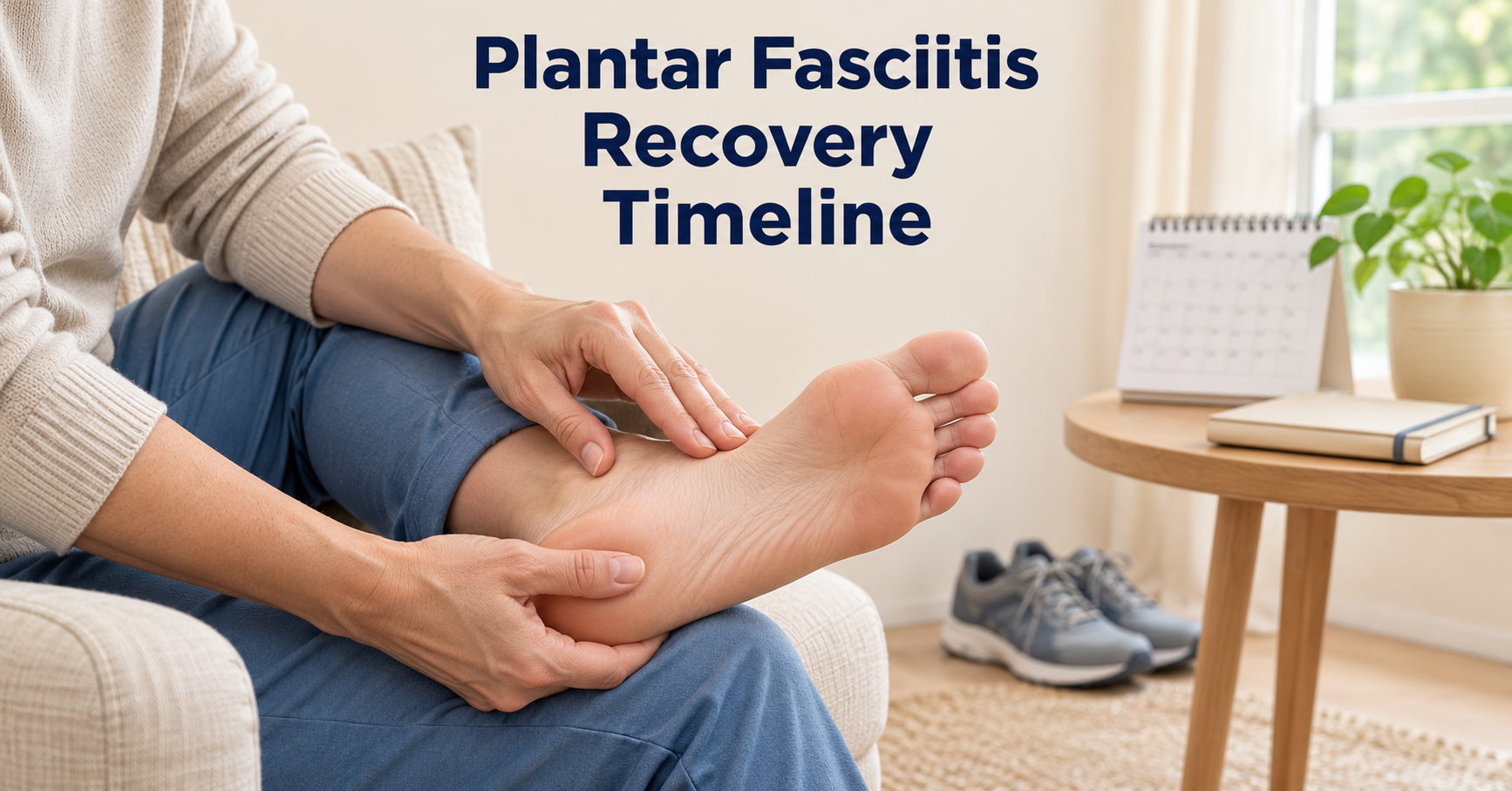






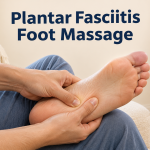


When your heel stabs with every morning step, it is natural to reach down and rub it. Many people with plantar fasciitis discover that a good foot massage brings real, if temporary, relief. But massage can also backfire if you press too hard on the wrong spot or use the wrong tool. So what is the right way to massage a foot with plantar fasciitis?
This guide explains how massage may help, which techniques are safest, what tools are worth using, and when you should skip massage altogether. You will also get a simple 10-minute routine you can start tonight.
Quick Answer
Gentle foot and calf massage can ease tightness and soreness from plantar fasciitis and make stretching more comfortable. Focus on the arch and calf, keep the pressure moderate (about 3 to 4 out of 10), avoid pounding the sore heel spot, and use massage together with stretching and supportive footwear. Massage is a comfort tool, not a cure.
What Is Plantar Fasciitis?
The plantar fascia is a strong band of tissue that stretches from the heel bone to the base of the toes. It supports your arch and absorbs shock with every step. When it is overloaded, it becomes irritated and painful, most often near the heel. Typical signs include:
- Sharp heel pain with the first steps in the morning
- Pain after sitting for a while and then standing up
- Soreness in the heel or arch after long periods on your feet
- Pain that improves a little with movement, then returns later in the day
Does Foot Massage Help Plantar Fasciitis?
Many people find that it does, especially for short-term comfort. Massage may help in several ways:
- Loosens tight tissue: Gentle pressure can ease tension in the arch and the calf muscles that pull on the heel.
- Improves blood flow: Increased circulation to the area can leave the foot feeling warmer and looser.
- Reduces soreness: Many people report less aching and stiffness after a session.
- Makes stretching easier: A foot that has been massaged first often stretches more comfortably.
It is worth being honest about the limits. Research on massage for plantar fasciitis is still limited, and most of the benefits seem to be short term. Massage works best as one piece of a complete plan, alongside stretching, supportive footwear, and sensible activity.
Where to Massage: The Three Foot Zones
6 Safe Foot Massage Techniques for Plantar Fasciitis
1. Thumb Strokes Along the Arch
This is the simplest technique and needs no equipment. Sit comfortably with your foot resting on the opposite knee. Place both thumbs on the arch and slowly glide from the heel toward the toes with firm but comfortable pressure. Repeat for 2 to 3 minutes, then switch feet.
2. Massage Ball Roll
Sit in a chair and place a tennis ball, lacrosse ball, or small massage ball under your foot. Roll slowly from the heel toward the ball of the foot, pausing on tight spots for a few seconds. Keep your weight light at first and use your hands or body weight to increase pressure gradually. Aim for 2 to 3 minutes per foot.
3. Frozen Water Bottle Roll
Freeze a small plastic bottle of water and roll it under your arch while seated. This combines gentle massage with cooling, which many people find soothing at the end of the day. Limit it to about 10 to 15 minutes and keep a sock on if the bottle feels too cold.
4. Cross-Friction Massage on the Arch
Instead of gliding lengthwise, use your thumb or knuckle to make small side-to-side strokes across the arch. This helps loosen tight spots in the tissue. Keep the strokes slow and the pressure moderate, and avoid rubbing the same spot for more than 30 to 60 seconds.
5. Toe Pull-Back Plus Massage
Pull your toes gently back toward your shin with one hand so the arch tightens, then use the thumb of your other hand to massage along the tensioned band. This pairs stretching with massage and targets the plantar fascia directly. Do it softly, since tension plus deep pressure can easily be too much.
6. Calf Massage
Many people overlook this one, but tight calf muscles increase the pull on the heel. Sit with your leg extended, then use your hands, a foam roller, or a massage stick to roll slowly from the ankle up toward the knee. Pause on tender spots for 20 to 30 seconds and breathe. Spend about 2 to 3 minutes on each calf.
How Much Pressure Is Right?
This is where most people go wrong. A good plantar fasciitis massage should feel like a firm, relieving pressure, not a sharp or bruising one. Imagine a pressure scale from 0 to 10 and stay around 3 to 4. You should be able to breathe normally and relax your shoulders. If you are wincing, holding your breath, or feel pain lingering afterward, ease off.
Best Tools for Plantar Fasciitis Massage
You do not need expensive equipment, but a few simple tools can make massage more convenient:
- Massage ball (tennis, lacrosse, or spiky ball): Versatile and inexpensive. Softer balls are better for sore feet, while firmer balls suit deeper pressure later in recovery.
- Foot roller: A wooden, plastic, or ridged roller lets you massage while seated, with steady and even pressure.
- Foam roller or massage stick for the calves: Helpful for the calf muscles, which strongly influence heel tension.
- Electric foot massager: Kneading or shiatsu-style foot massagers can feel relaxing, especially after a long day. Choose adjustable intensity so you can keep it gentle.
- Percussion massager (massage gun): Use only on the calf and arch muscles at a low setting. Avoid the bony heel and the most painful spot.
- Massage oil or lotion: Reduces friction during hand massage and makes strokes smoother.
Do and Do Not: Massage Safety at a Glance
A Simple 10-Minute Massage Routine
Try this routine once or twice a day, ideally in the evening or after a warm shower when your foot is relaxed.
Common Foot Massage Mistakes
- Pressing too hard on the heel. The attachment point at the heel is usually the most irritated area. Deep pressure there can flare it up.
- Massaging for too long. More minutes do not mean more benefit. Ten to fifteen minutes in total is plenty.
- Ignoring the calves. Tight calves are a major contributor to plantar fasciitis. Massage the whole chain, not just the foot.
- Massaging only when it hurts. Regular, gentle sessions work better than occasional deep ones.
- Using massage in place of other treatment. Without stretching and proper footwear, the tissue keeps getting overloaded.
- Using a massage gun at high intensity. Percussion devices can be too forceful for an inflamed area.
Who Should Avoid or Be Careful With Foot Massage?
Foot massage is safe for most people when done gently, but check with a healthcare professional first if you:
- Have diabetes, nerve damage, or reduced feeling in your feet
- Have a history of blood clots or deep vein thrombosis, or leg swelling and pain of unknown cause
- Have open wounds, infections, or skin conditions on the foot
- Have significant swelling, redness, bruising, or warmth in the heel
- Are pregnant, since some people prefer to get advice before using deeper pressure on the lower legs
- Take blood-thinning medication or bruise easily
What to Combine With Massage for Lasting Relief
Massage can calm soreness, but it does not address the reason the plantar fascia became irritated in the first place. For the best results, pair it with:
- Daily stretching: Gentle calf stretches and a plantar fascia stretch, especially before your first steps in the morning.
- Supportive footwear: Shoes with good arch support and a cushioned heel. Avoid walking barefoot on hard floors.
- Arch support insoles or heel cushions: These can reduce strain with every step for many people.
- Activity changes: Cut back on high-impact activity for a while and increase exercise gradually.
- Ice or warmth: Cool therapy for soreness, gentle warmth for stiffness.
- Night splint: Some people find it reduces morning heel pain.
When to See a Doctor
Please get professional advice if:
- Your pain is severe or getting worse despite a few weeks of consistent home care
- You notice marked swelling, bruising, redness, or warmth in your heel
- You have numbness, tingling, or burning in the foot
- You cannot put weight on your foot
- You have diabetes or a circulation problem
- You are not sure whether your pain is truly plantar fasciitis
A foot specialist can confirm the diagnosis, rule out other causes of heel pain, and suggest options such as physical therapy with professional massage or soft tissue techniques, custom orthotics, or other treatments.
Frequently Asked Questions
Is foot massage good for plantar fasciitis?
It can be. Many people find gentle massage of the arch and calf reduces soreness and stiffness. It works best alongside stretching, supportive shoes, and activity changes.
Should I massage the heel directly?
Use very light pressure at most. The heel attachment is often the most tender spot, and deep pressure there can make symptoms worse. Focus on the arch and calf instead.
How often should I massage my foot?
Once or twice a day is usually enough, for about 10 minutes in total. Stop or reduce the pressure if your pain increases.
Is it better to massage before or after getting out of bed?
For the first morning steps, a gentle stretch before standing is usually more helpful. Save longer massage for later in the day when the foot is warm, or for the evening to relax it.
Are massage guns safe for plantar fasciitis?
They can be used carefully on the calf and arch muscles at a low setting. Avoid the bony heel and the most painful spot, and stop if it hurts.
Can massage cure plantar fasciitis?
Massage alone is not a cure. It is a comfort and mobility tool. Most people recover gradually over weeks to months with consistent care that includes stretching and proper support.
Final Thoughts
A good foot massage can be one of the most soothing parts of plantar fasciitis care, but only when it is done the right way. Focus on the arch and calf, keep the pressure moderate, avoid pounding the painful heel spot, and keep sessions short and regular. Combine massage with stretching, supportive footwear, and sensible activity, and you give your foot the best chance to recover. If the pain does not improve, speak with a healthcare professional.
Disclaimer: This article is for general information only and is not a substitute for professional medical advice, diagnosis, or treatment. If your heel pain is severe, persistent, or accompanied by other symptoms, please consult a qualified healthcare professional.