



Fallen Arches Pain Relief: Causes, Exercises, Footwear and Daily Habits That Actually Help
If your feet ache after a long day, if the inside of your foot feels tired or sore, or if your ankles seem to roll inward when you walk, you may be dealing with fallen arches. The good news is that most people can reduce their discomfort significantly with simple, consistent steps at home.
In this complete guide, you will learn what fallen arches are, why they cause pain, which home remedies and exercises are worth your time, how to choose supportive shoes and insoles, and when it is time to get professional help. Everything is explained in plain language so you can start feeling better with confidence.
What Are Fallen Arches?
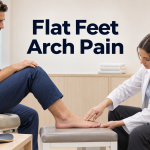
Fallen arches, also called flat feet or pes planus, describe a condition where the natural curve on the inner side of the foot becomes lower than normal or disappears completely when you stand. In a healthy foot, the arch acts like a spring. It absorbs shock when your foot hits the ground and helps push you forward when you walk or run.
When the arch drops, the foot loses some of that spring. The muscles, tendons and ligaments in the foot and lower leg have to work harder to keep you balanced, and that extra effort is often what causes the pain.
Some people are born with low arches and never have any trouble. Others develop fallen arches later in life, often because a supporting tendon weakens or the foot is under heavy, repeated stress. Only the second group commonly needs pain relief, although anyone with foot pain should pay attention to it.

Quick wet test: Wet the sole of your foot, step on a dry piece of cardboard or a paper bag, and look at the print. If you see almost the entire sole with very little curve on the inside edge, your arch is low. This is only a rough guide, not a diagnosis.
Common Symptoms of Fallen Arches
Symptoms vary from person to person. Some people feel nothing at all, while others have daily discomfort. Watch for these signs:
- Aching or tired feet, especially along the inner arch, after standing or walking
- Heel pain that is often worse in the first steps of the morning
- Swelling along the inside of the ankle or the arch
- Pain in the ankles, knees, hips or lower back, because a collapsed arch changes how the whole leg moves
- Feet that roll inward when you walk, known as overpronation
- Shoes that wear down unevenly, usually faster on the inner edge
- Difficulty standing on tiptoe or a feeling of weakness in the foot
Why Do Arches Fall? Main Causes
Understanding the cause helps you choose the right treatment. These are the most common reasons arches lose their shape:
- Genetics and foot structure: Flat feet often run in families. Loose ligaments or an unusual bone shape can make arches lower from childhood.
- Tendon weakness: The posterior tibial tendon runs along the inside of the ankle and is the main support of the arch. When it becomes inflamed, stretched or worn, the arch can gradually flatten. This is one of the most common causes of fallen arches in adults.
- Extra body weight: More weight means more pressure on the arch with every single step.
- Pregnancy: Hormonal changes loosen ligaments, and added weight increases the load on the feet. Some women notice their arches stay lower after pregnancy.
- Ageing: Tendons and ligaments naturally lose some strength and elasticity over the years.
- Injury or overuse: A sprain, fracture or repeated strain from sports or work can damage the structures that support the arch.
- Long hours on hard surfaces: Jobs that involve standing or walking all day can fatigue the arch muscles.
- Unsupportive footwear: Thin, flat or worn-out shoes offer no structure to help the arch.
- Health conditions: Arthritis, diabetes and some nerve or muscle conditions can affect the strength and shape of the foot.
Fallen Arches Pain Relief at Home
For many people, a steady routine of rest, stretching, strengthening and better footwear brings real relief. Below are the most practical steps, along with a simple daily plan you can follow.

1. Rest and Cool Down
When your arch is sore, give it a break. Sit down, elevate your foot, and apply a cold pack wrapped in a thin cloth for 10 to 15 minutes. Never place ice directly on bare skin. This is especially helpful at the end of a long day or after exercise.
2. Stretch Your Calves and Foot
Tight calf muscles pull on the heel and add strain to the arch. A gentle stretch can make a noticeable difference.
- Stand facing a wall and place both hands on it at chest height.
- Step one foot back and keep that heel flat on the floor.
- Bend the front knee and lean forward until you feel a stretch in the back calf.
- Hold for about 30 seconds, then switch legs. Repeat three times on each side.
Stretch gently and stop if you feel sharp pain. A mild pulling feeling is normal.
3. Strengthen the Arch Muscles
Strong foot muscles help hold the arch up. These exercises are simple and need no equipment:
- Towel scrunches: Sit with your foot on a small towel. Using only your toes, scrunch the towel toward you. Do two sets of 15.
- Short foot exercise: While seated or standing, try to draw the ball of your foot toward your heel without curling your toes. You should feel the arch lift slightly. Hold for 5 seconds and repeat 10 times.
- Marble pickup: Pick up small objects such as marbles with your toes and place them in a cup.
- Double heel raises: Stand holding a counter for balance and slowly rise onto your toes, then lower down slowly. Start with 10 repetitions.
4. Roll and Massage the Sole
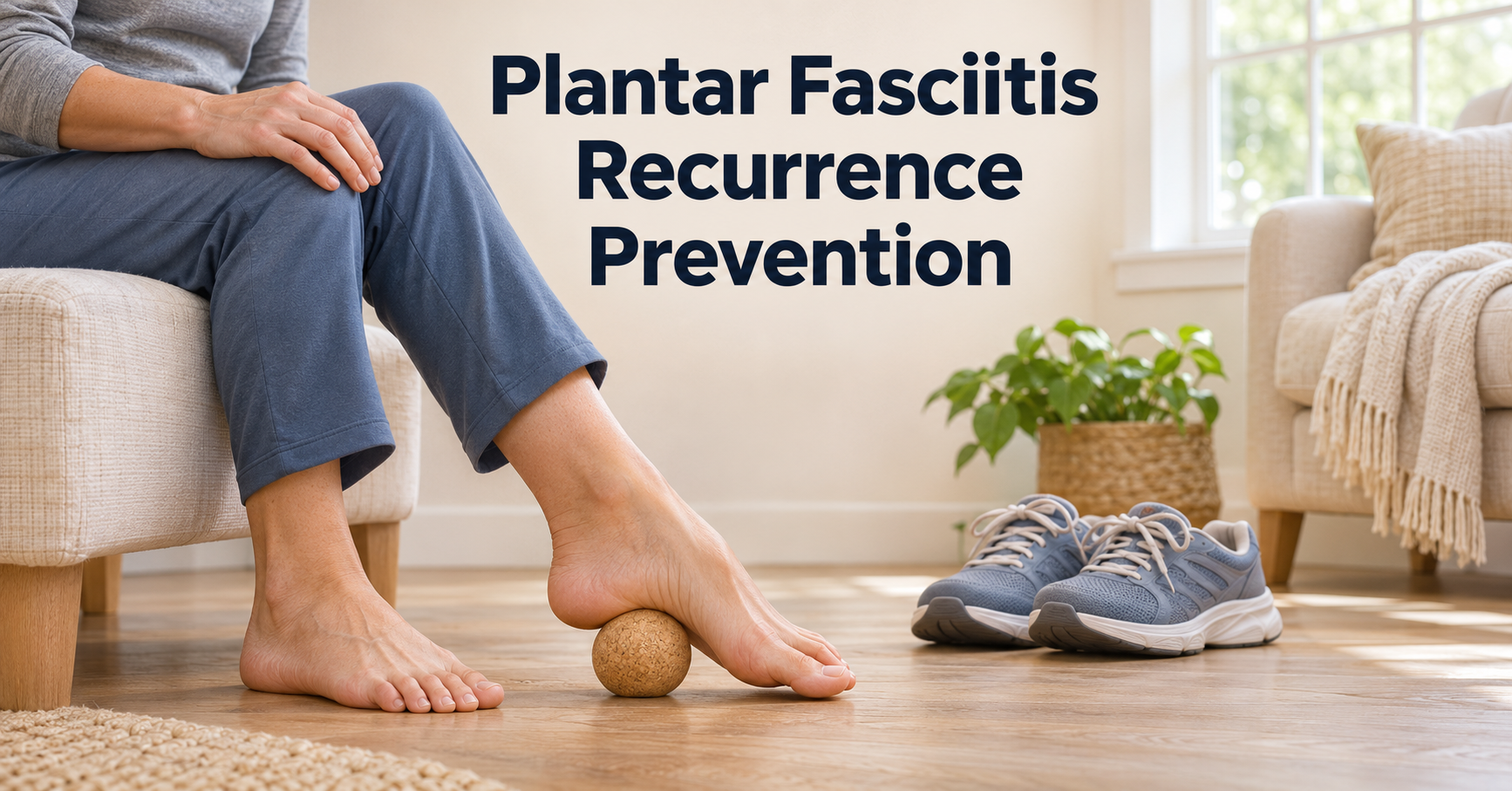
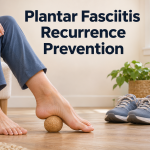
Rolling the bottom of your foot over a frozen water bottle or a small massage ball for two to three minutes helps relax tight tissue and can ease soreness. Use gentle pressure, especially at first.
5. Wear Supportive Footwear All Day
Walking barefoot on hard floors at home is a hidden cause of arch pain. A pair of firm, supportive indoor shoes or sandals can be a surprisingly effective part of your plan.
6. Manage Your Weight and Activity
Even a modest reduction in body weight takes pressure off the arch. Low-impact activities such as swimming, cycling and brisk walking on softer surfaces keep you active without overloading your feet.
7. Over-the-Counter Pain Relief
Some people use over-the-counter pain relievers for short-term relief. Always follow the instructions on the label, and check with a doctor or pharmacist first if you have stomach, kidney, heart or blood pressure problems, are pregnant, or take other medicines.
How Arch Support Insoles and Orthotics Help
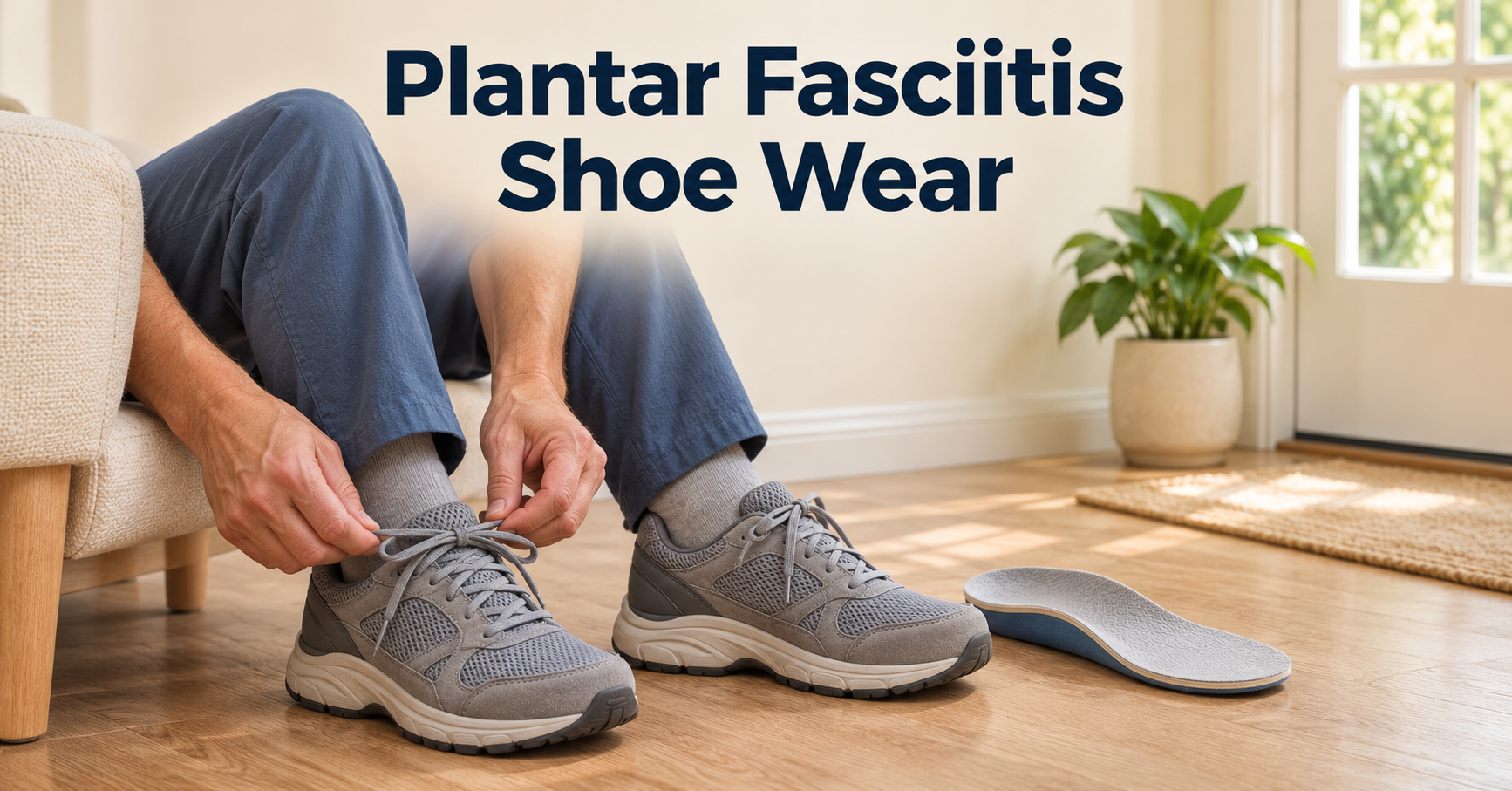
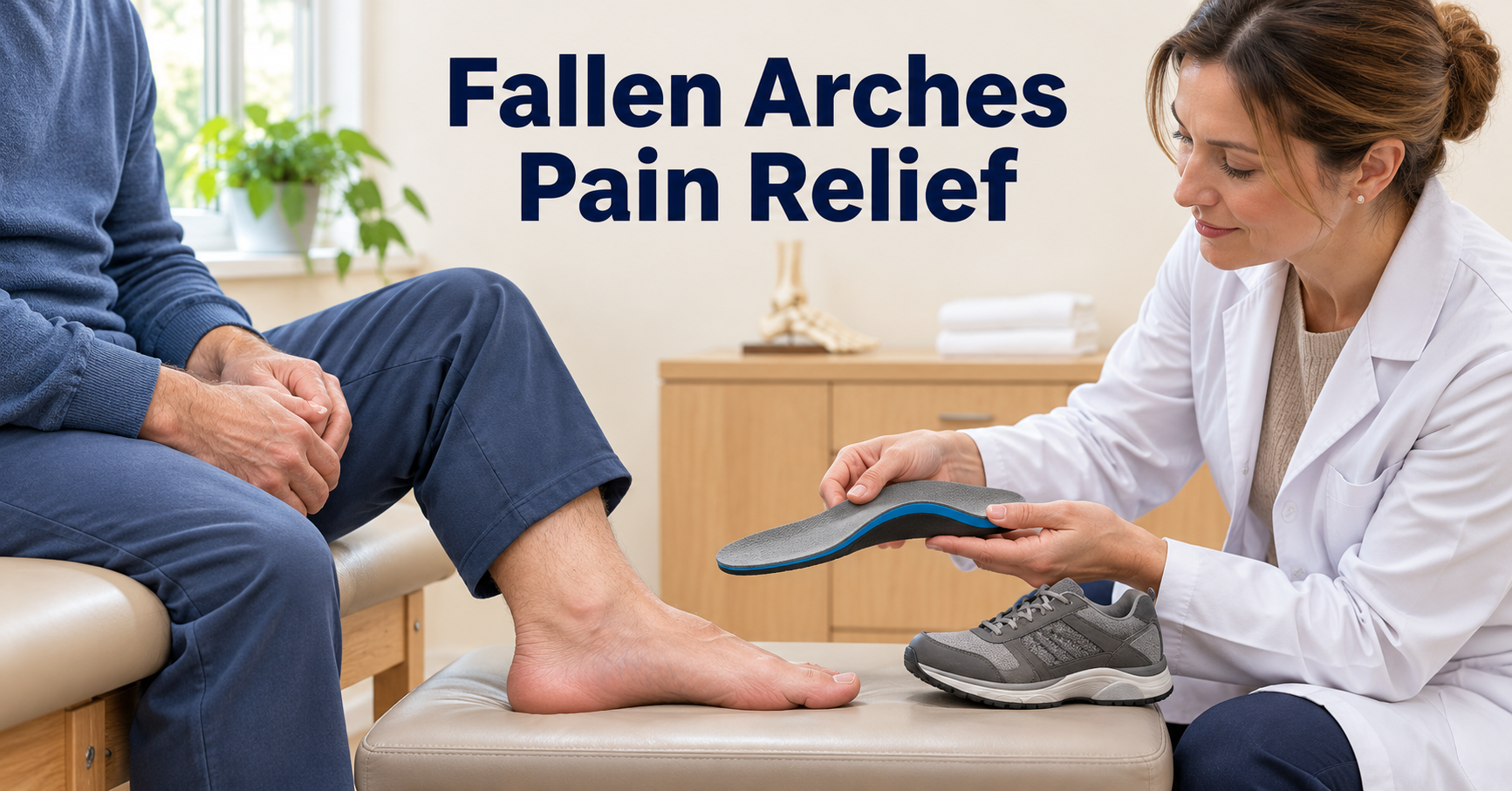
Insoles are one of the most useful tools for fallen arch pain. A good arch support insole fills the gap under the arch, spreads pressure more evenly across the foot and helps keep the heel and ankle in a better position. This reduces strain on the tendons and ligaments that are doing extra work.
Types of Insoles
- Soft cushioned insoles: These add comfort but offer limited structure. They suit mild tiredness rather than significant arch collapse.
- Semi-rigid or firm arch support insoles: These provide real shape under the arch and are the most popular choice for flat feet.
- Custom orthotics: These are made from a mould or scan of your own foot and prescribed by a foot specialist. They are worth considering for severe pain, uneven feet or long-term problems.
What to Look For When Choosing an Insole
- A contoured shape that matches your arch without feeling like a hard lump
- A deep heel cup that keeps your heel centred
- Firm but comfortable material that does not collapse when you press on it
- The right size and a thickness that fits your shoes without making them tight
- Good durability, because soft materials flatten over time
Break them in slowly. New insoles can feel strange at first. Wear them for one to two hours on the first day, then add an hour or so each day. If you feel sharp or increasing pain, stop and reassess the fit. Most insoles lose support with regular use, so many people replace them roughly every 6 to 12 months, or sooner if they look flattened or worn.
Choosing the Right Shoes for Fallen Arches
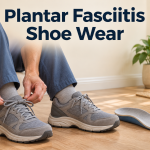
Even the best insole cannot make up for a poor shoe. Look for footwear that gives your foot a stable base. A simple test you can do in a shop: hold the shoe by the heel and toe and try to twist it. A supportive shoe resists twisting. Then try bending it. It should flex only at the ball of the foot, not in the middle.

Try shoes on in the afternoon, when feet are slightly larger, and wear the socks you normally use. If you plan to use an insole, remove the shoe’s own insert first so the new one fits properly. Replace shoes when the midsole feels flat, the outer heel is badly worn, or the shoe leans to one side when placed on a table.
Daily Habits That Protect Your Arches
- Rotate your shoes so the cushioning has time to recover between uses.
- Take short breaks from standing and sit down for a few minutes when you can.
- Stand on a cushioned mat if you work on a hard floor.
- Warm up with a few ankle circles and calf stretches before exercise.
- Increase activity gradually. Raising your walking or running distance too quickly is a common cause of flare-ups.
- Avoid long periods in high heels or very flat, flexible sandals.
- Check your feet regularly for swelling, redness or changes in shape, particularly if you have diabetes.
Other Treatments a Doctor May Suggest
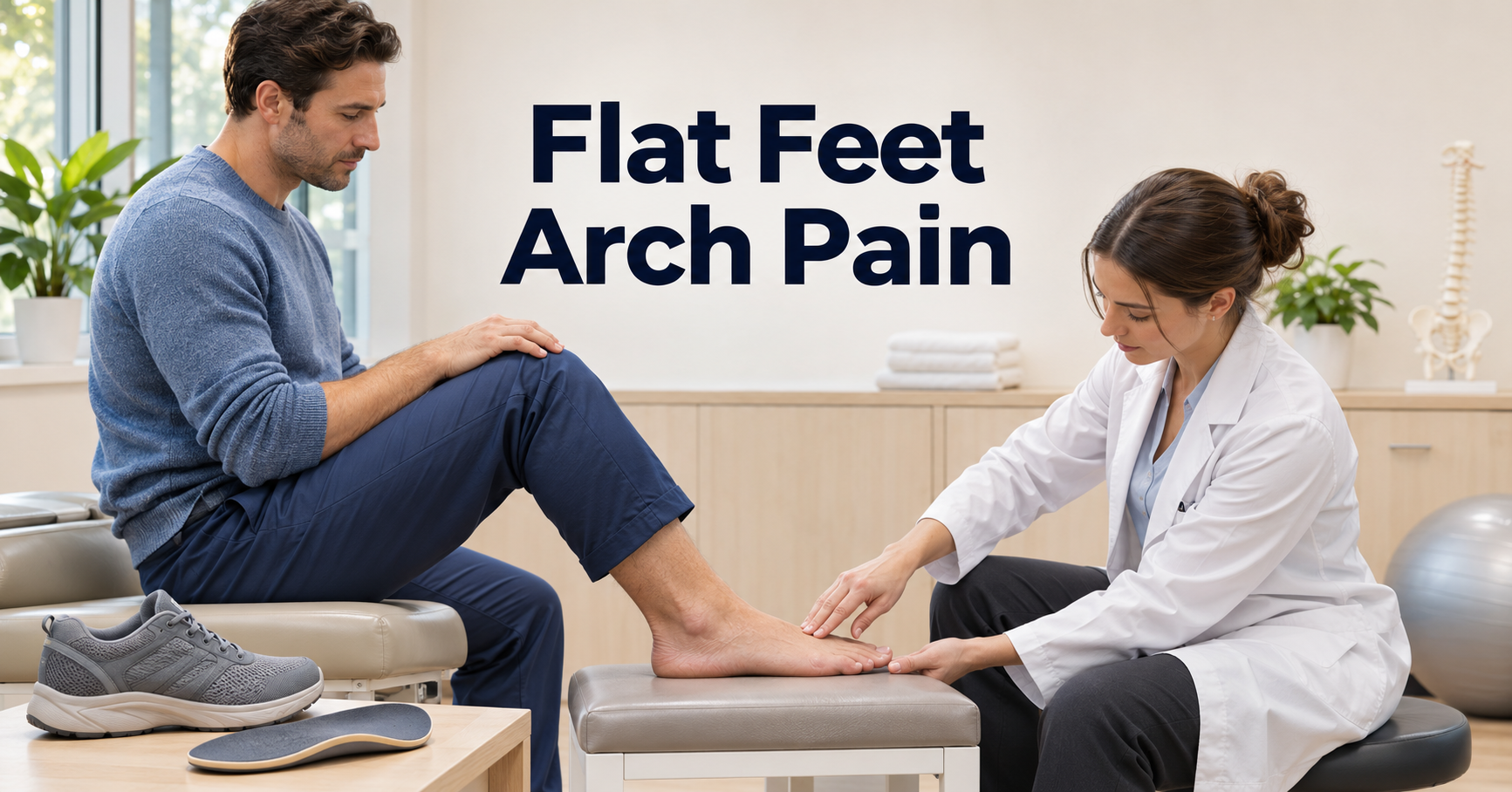
If home care does not bring enough relief, a doctor, podiatrist or physiotherapist can look at your feet and walking pattern more closely. Depending on your situation, they may recommend:
- Physiotherapy with a tailored stretching and strengthening programme
- Custom orthotics designed for your specific foot shape
- Bracing or taping to support the ankle and arch during recovery
- Anti-inflammatory medication or, in some cases, injections for persistent inflammation
- Imaging tests such as an X-ray or ultrasound if a tendon problem or fracture is suspected
- Surgery, which is considered only when pain is severe and other treatments have not worked
What Recovery Can Look Like
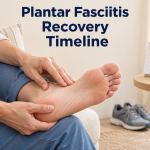
Recovery time depends on the cause, the severity and how consistently you follow your plan. Many people with mild to moderate arch pain notice gradual improvement over several weeks when they combine supportive footwear, stretching and strengthening. Tendon-related problems usually take longer.

When to See a Doctor
Get medical advice if you notice any of the following:
- Sudden pain, swelling or a visible change in the shape of one foot
- Pain that is severe, getting worse, or lasts more than a few weeks despite home care
- Difficulty walking, standing on tiptoe or putting weight on the foot
- Numbness, tingling, redness or warmth in the foot
- Foot pain together with diabetes, poor circulation or a nerve condition
- Pain after an injury or fall
Early assessment matters because tendon problems that are caught early often respond well to simple treatment, while delayed care can allow the arch to flatten further.
Quick Do’s and Don’ts
Do
- Wear supportive shoes and insoles
- Stretch calves daily
- Strengthen your foot muscles
- Rest and ice sore arches
- Increase activity slowly
- Get painful feet checked
Don’t
- Walk barefoot on hard floors all day
- Ignore pain that keeps returning
- Wear worn-out or flimsy shoes
- Push through sharp pain
- Go from rest to long workouts overnight
- Place ice directly on bare skin
Frequently Asked Questions
Can fallen arches be fixed permanently?
Arches that have been low since childhood usually do not rebuild, but pain can often be controlled very well with exercises, supportive shoes and insoles. In adult-onset cases caused by tendon problems, early treatment can slow or limit progression.
Are fallen arches always painful?
No. Many people have flat feet and never feel any discomfort. Treatment is mainly needed when there is pain, swelling, fatigue or changes in how you walk.
Do exercises really help flat feet?
Exercises can strengthen the muscles that support the arch and improve foot control, which often reduces symptoms. They work best alongside good footwear and are most effective when done regularly.
Should I use arch support insoles every day?
Many people with arch pain wear them daily in their main shoes. Start gradually, make sure they fit well, and replace them when they look flat or worn.
Is walking good for fallen arches?
Yes, in moderation. Walking in supportive shoes on comfortable surfaces keeps the foot active. If walking causes pain, shorten the distance, rest, and build up again slowly.
Can children outgrow flat feet?
Young children often have flat-looking feet because their arches are still developing, and many improve with age. If a child complains of pain or walks unusually, a paediatrician or foot specialist can check.
Final Thoughts
Fallen arches can make everyday life uncomfortable, but you are not stuck with the pain. Start with the basics: choose supportive shoes, add a well-fitting arch support insole if you need one, stretch your calves, and build up your foot strength with a few minutes of daily exercises. Give your body time to respond, and keep an eye on any warning signs.
If pain continues or gets worse, do not wait. A professional assessment can find the exact cause and give you a plan made for your feet. With patience and consistency, most people find that they can walk, work and enjoy their activities much more comfortably.
Please note: This article is for general information only and is not a substitute for professional medical advice, diagnosis or treatment. Always consult a qualified healthcare provider about your own symptoms and before starting any new exercise or treatment.