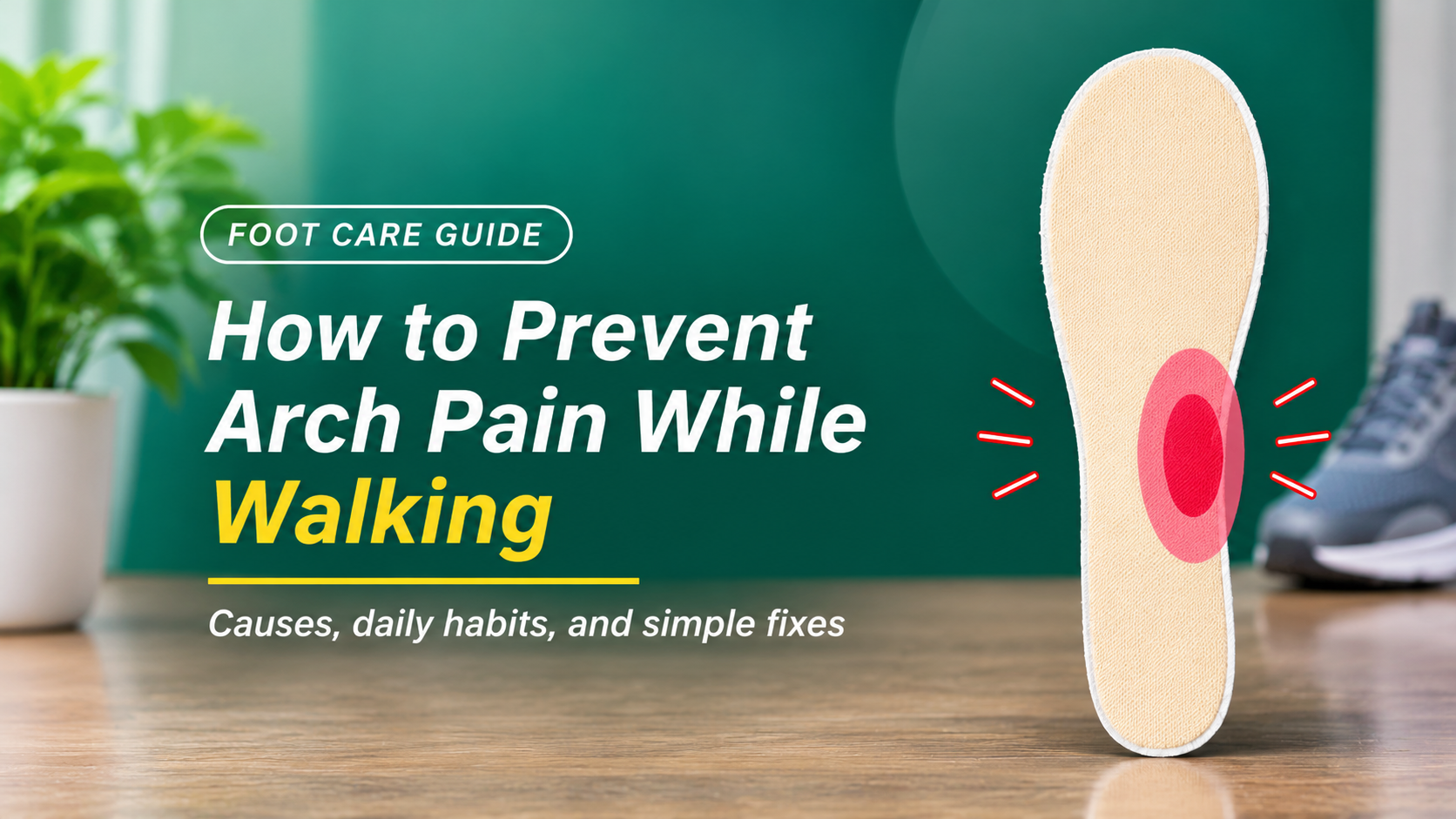




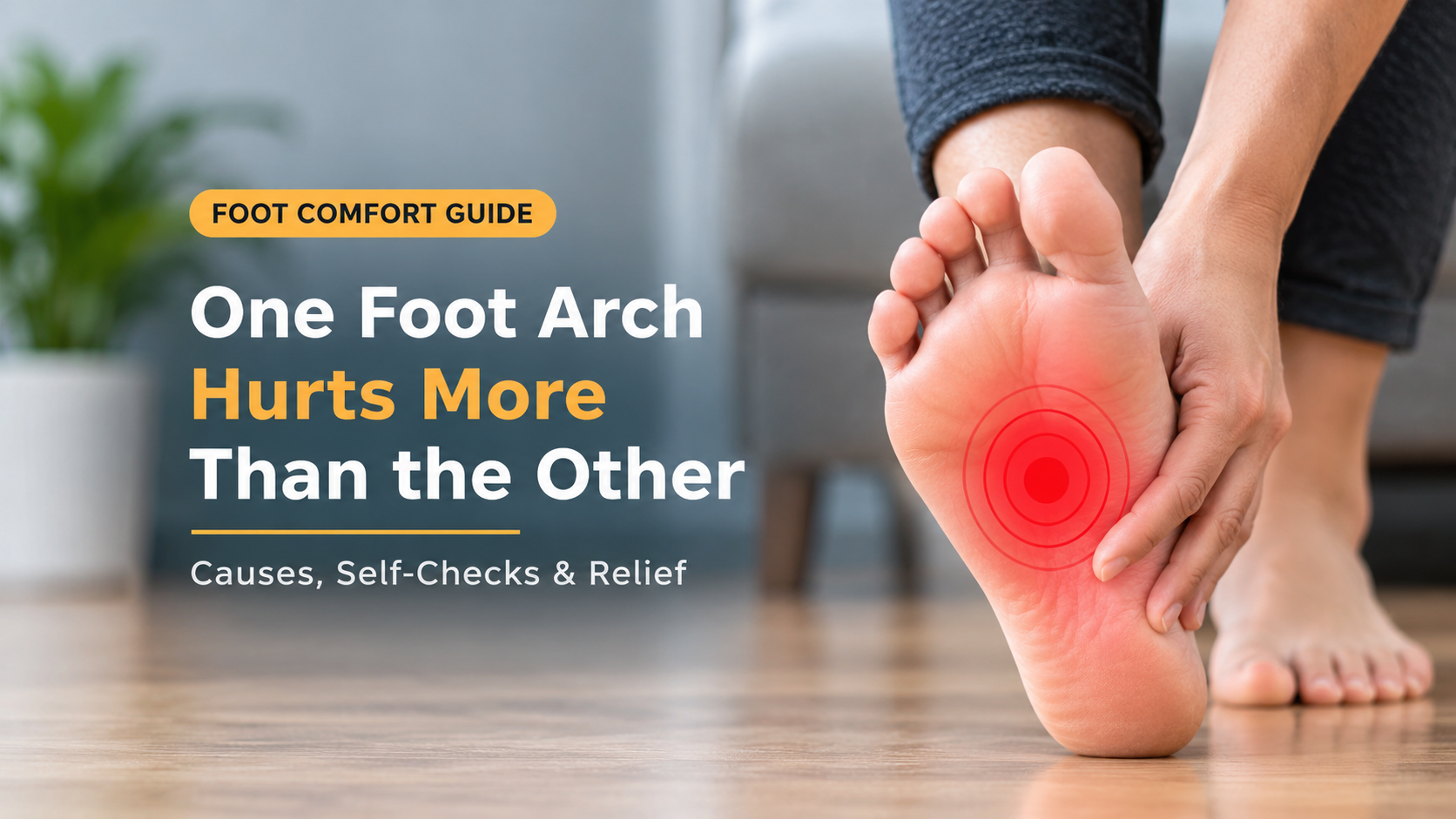
If the arch of one foot aches while the other feels fine, or at least much better, it can be both confusing and worrying. You may wonder whether something is wrong with that foot, or whether it is simply normal. The truth is that most people are not perfectly symmetrical, and one foot often works harder than the other. Still, one-sided arch pain can sometimes point to an injury or a specific problem that is worth understanding. This guide explains why one foot arch can hurt more than the other, how to check for clues at home, what you can do to feel better, and when to get professional advice.
Is It Normal for One Foot to Hurt More Than the Other?
Yes, it is very common. Feet are rarely identical. Many people have slightly different arch heights, foot lengths, or flexibility from one side to the other. Your body also does not share load equally. You may stand with more weight on one leg, push off harder with one foot, or favor one side after an old injury, often without noticing.
Because of these small differences, one foot may be placed under more strain, and that foot’s arch may start to ache first. A difference between feet is not automatically a problem, but pain that is significant, new, or sudden deserves attention.

Why Does One Arch Hurt More Than the Other?

1. Different Arch Heights in Each Foot
Many people have one arch that is lower or flatter and one that is higher. The lower arch may collapse more under load, putting extra strain on the supporting tissues. A higher arch may be stiffer and absorb shock less well. Either one can become the sore side.
2. Leg Length Differences
A small difference in leg length is common. The longer or shorter side can load the foot differently, and over time this can contribute to arch strain on one side. If you suspect this, a professional can assess it properly before you try any correction.
3. A Past Injury
An old ankle sprain, foot fracture, or other injury can change how the foot moves and how the tissues share load. The previously injured foot may be stiffer, weaker, or less stable and may tire sooner.
4. Dominant-Side Habits
Most people have a stronger or preferred side. You may stand with your weight on one leg, push off harder on one side, or use one foot for driving pedals. These habits can overload one arch more than the other.
5. Plantar Fasciitis or Tendon Strain on One Side
Conditions such as plantar fasciitis, which involves irritation of the tissue along the bottom of the foot, or strain in the tendon that supports the arch can affect only one foot, especially if that side has been overused or has less support.
6. Uneven Shoe Wear or Different Footwear Fit
Shoes often wear unevenly. One shoe may lose its cushioning or heel support sooner than the other. A shoe that fits one foot better than the other can also create uneven strain. Many people have one foot slightly larger than the other.
7. Problems Higher Up the Chain
The hips, knees, and lower back influence how your foot lands. Stiffness, pain, or weakness in these areas can change your walking pattern and shift stress to one foot.
8. Less Common Causes
Stress injuries in the foot bones, nerve irritation, arthritis, or tendon problems can also cause pain on one side. These are more likely if the pain started suddenly, is severe, or comes with swelling or numbness, and they usually need a professional assessment.
Common Patterns and What They May Suggest
| Pattern | Possible Reason |
|---|---|
| Lower arch hurts and tires quickly | Flatter arch carrying more load |
| Pain in the arch and heel with first steps | Plantar fascia irritation on that side |
| Pain on the foot that was injured before | Stiffness, weakness, or altered movement |
| Pain on the side you lean on | Habitual weight shift or leg length difference |
| Sudden pain after a fall or impact | Possible injury, get it checked |
Simple Self-Checks at Home
These quick checks can give you clues about the differences between your feet. They are not a diagnosis, but they can help you describe the problem to a professional.

- Wet footprint test: Wet both feet and step on dark paper. Compare the prints. A fuller print suggests a lower arch, and a thinner print suggests a higher arch.
- Shoe wear check: Look at the soles and heels of your usual shoes. Heavier wear on one shoe or on one side of a heel can point to uneven loading.
- Mirror check: Stand relaxed and compare your ankles, arches, and posture from the front and back.
- Standing versus sitting: Notice whether one arch drops noticeably more when you stand.
- Weight shift habit: Pay attention to whether you favor one leg when you stand at a counter or wait in line.
- Pain timing: Note whether pain appears first thing in the morning, after long standing, or during certain activities.
How to Ease Arch Pain on the Sore Side
Rest and Reduce Load
Cut back on the activity that triggers the pain for a few days. Switch to lower-impact options if needed, and return gradually.
Care for Both Feet, Not Just the Sore One
Because the cause is often a difference between the two sides, supporting both feet usually works better than treating only the painful one. Wear good shoes on both feet and stretch both sides.
Stretch the Calves and Arch
Calf stretches against a wall, plantar fascia stretches, and gentle arch rolling over a ball can ease tension. Pay a little extra attention to the tighter or sorer side, and keep stretches comfortable.
Strengthen Gently and Evenly
Towel scrunches, picking up small objects with your toes, and slow calf raises can build strength. Try single-leg balance on each side to see whether one side is weaker or less stable, and work on improving it gradually.
Wear Supportive Shoes
Choose shoes with a firm heel, adequate cushioning, a roomy toe box, and a sole that bends at the toes rather than the middle. Replace shoes when they are worn, since uneven wear can add to uneven strain.
Consider Arch Support
Arch supports can help spread pressure, but they should match your foot type. If your feet are clearly different, a professional may suggest different support for each foot or tell you whether you need any at all. Introduce supports gradually, and avoid mixing different heights without guidance.
Be Careful With Heel Lifts
If you suspect a leg length difference, do not add a lift on your own. The right amount needs proper measurement, and the wrong amount can cause new problems. A podiatrist or physical therapist can assess it.
Improve Daily Habits
Try standing with weight evenly shared between both feet, change standing positions regularly, and avoid carrying a heavy bag on one side all the time.
Manage Pain Sensibly
Ice for 10 to 15 minutes can ease a sore arch. Some people use over-the-counter pain relief for short periods. If you are unsure what is safe for you, ask a pharmacist or doctor.
When to See a Professional

A podiatrist, physical therapist, or doctor can check your foot structure, leg alignment, and walking pattern, and recommend the right plan. Prompt advice is especially important if you have diabetes, circulation problems, or reduced feeling in your feet.
Common Mistakes to Avoid
- Assuming uneven pain is always normal when it started after an injury
- Treating only the sore foot and ignoring the other side
- Adding a heel lift or a different-sized support without guidance
- Walking in worn-out shoes that wear unevenly
- Stretching aggressively into sharp pain
- Ignoring pain that keeps getting worse
Frequently Asked Questions
Why does only one of my arches hurt?
Differences in arch height, leg length, past injuries, habits, and shoe wear can all load one foot more than the other. A one-sided problem such as plantar fasciitis or tendon strain is also possible.
Is it normal for my arches to be different?
Yes. Many people have a slightly different arch height or foot size on each side. It only matters if it causes pain or other problems.
Could a leg length difference cause arch pain on one side?
It can contribute, since one leg may load the foot differently. Only a professional measurement can confirm it, so avoid adding a lift on your own.
Should I wear arch support in just one shoe?
Usually not without guidance. Differences in height between the two shoes can change how you walk. Ask a professional whether each foot needs different support.
Why does my old injured foot hurt more now?
Old injuries can leave a foot stiffer, weaker, or less stable, which can make its arch tire sooner. Rehabilitation exercises and supportive footwear can help.
Can my back or hip cause arch pain in one foot?
They can influence how your foot lands and loads, so problems in these areas may contribute to pain on one side.
How long should I wait before seeing a doctor?
If the pain started after an injury, is severe, or comes with swelling or numbness, get checked right away. For milder pain, try home care for a couple of weeks and seek advice if it does not improve.
Final Thoughts
One foot arch hurting more than the other is common, and it usually reflects natural differences between your feet and the way you use them. Compare your feet and shoes, support both sides with good footwear, stretch and strengthen gently, and improve habits that overload one side. If the pain began after an injury, is severe, or does not improve, a professional assessment can find the cause and guide you toward the right treatment, so both feet can feel comfortable again.
Disclaimer: This article is for general information only and is not a substitute for professional medical advice. If you have ongoing foot pain, numbness, swelling, diabetes, or circulation problems, please consult a qualified healthcare professional.